 Micro Precision
Micro Precision
Micro Precision
Within high-velocity CNC machining environments, the tool retention stud (commonly referred to as a pull stud) is the single critical mechanical link keeping the tool holder securely engaged within the machine spindle. Operating under enormous clamping forces and high rotational velocities, this relatively small component is subjected to intense cyclic axial load stresses and dynamic vibration profiles.
Any metallurgical failure, dimensional deviation, or surface defect within a retention stud can lead to catastrophic spindle damage, ruined workpieces, and expensive unscheduled downtime. As a specialized ODM Tool Retention Stud Manufacturers & Factory, we engineering-design pull studs that absorb heavy load shifts, resist fatigue propagation, and protect your complex CNC capital machinery investment.
By balancing hardness at the surface with core toughness, our proprietary heat-treatment parameters eliminate the micro-fracturing risks typical of cheaper, low-quality alternative components.
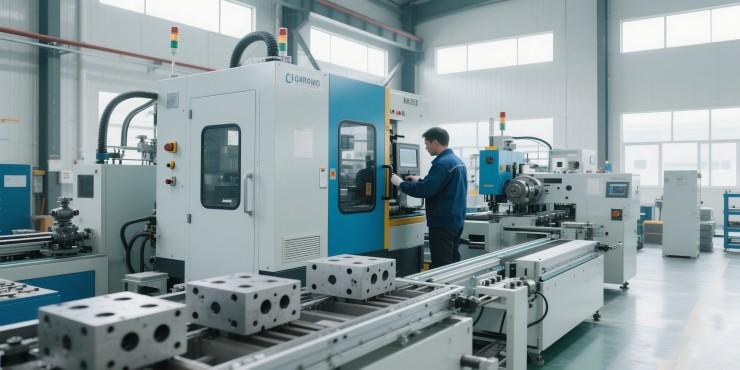
Founded in 2006, Qingdao Micro Precision Machinery Co., Ltd. has scaled from a niche precision component shop into a globally trusted OEM/ODM manufacturer of high-performance hydraulic cylinders, precision tool holding systems, and custom industrial accessories.
Established with a core commitment to "Precision Manufacturing, Reliable Quality." We initially specialized in custom hydraulic cylinders and complex machined components. Our quick turnaround times and engineering-first approach set the tone for long-term customer partnerships.
To meet skyrocketing global demands, we introduced advanced multi-axis CNC automation systems, enhancing dimensional accuracy. Simultaneously, we expanded our catalog by adding custom hydraulic valve blocks, specialized attachments, and tool holding hardware accessories for top tier machine tools.
Solidified a milestone partnership with Toyota, developing specialized tooling systems for brake pad brackets. This period marked a massive scale-up as we established strategic relationships with leading engineering firms across Europe, Asia, and North America, implementing imported inspection devices.
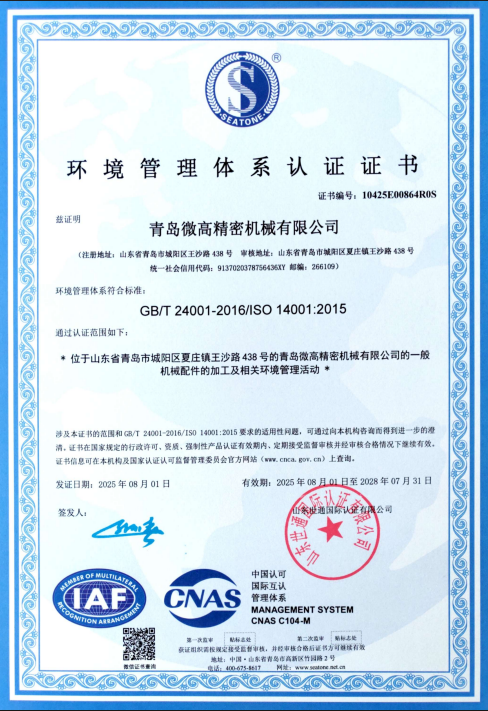
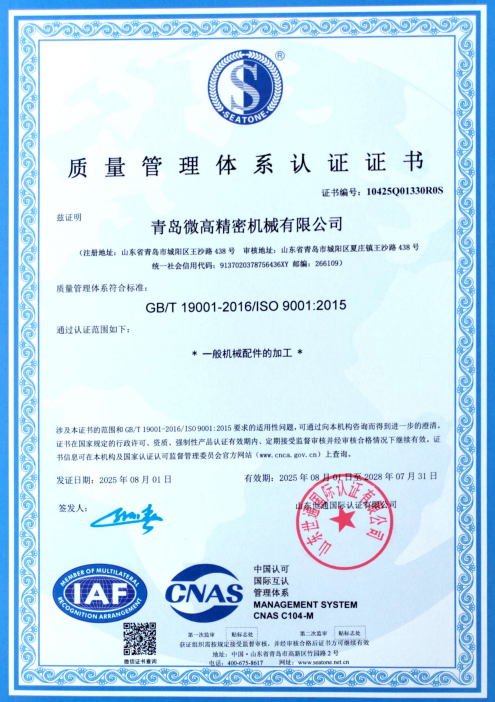
Formally certified under ISO 9001:2015 global standards. Our proprietary buffer hydraulic cylinders and precision machine tool studs gained international acclaim, particularly among industrial enterprises seeking highly reliable alternatives to standard off-the-shelf components.
Recognized as a National High-Tech Enterprise in China. We operate strategic distribution networks across 35+ countries, partnering directly with major machinery brands like Sandvik, Volvo Construction Equipment, and Kubota, delivering mission-critical customized engineering solutions.
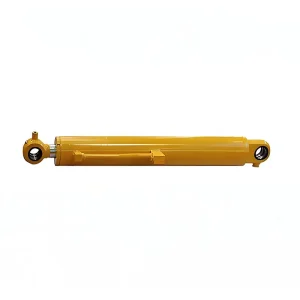
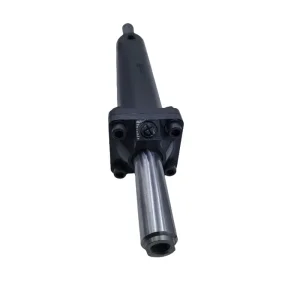
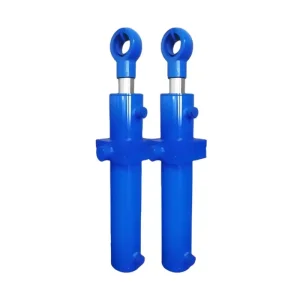
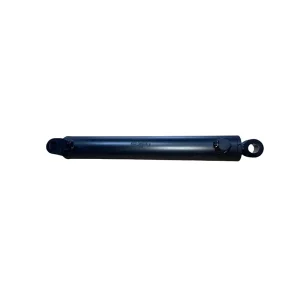
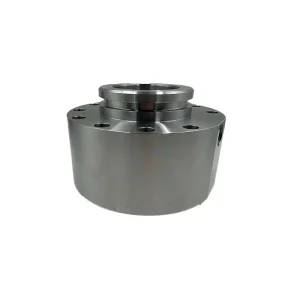
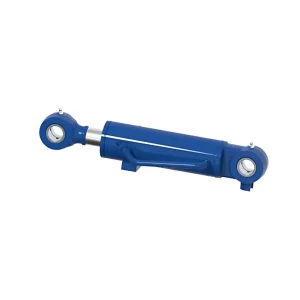
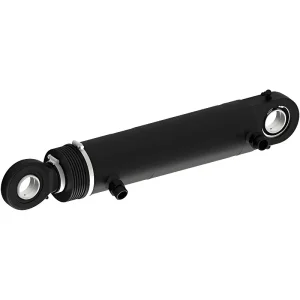
While we specialize in custom machine tool components, our broader production line incorporates heavy-duty hydraulic machinery components that power severe-duty off-road vehicles and advanced material handling platforms. Below is an overview of our main hydraulic designs:
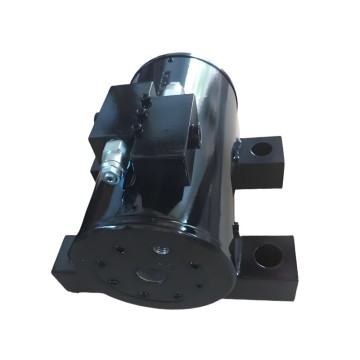
Designed for high-torque output systems, providing rotational stability for robotic manipulators and excavation equipment.
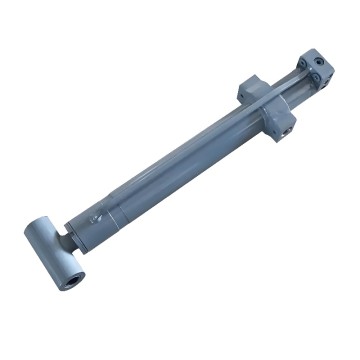
Heavy-load luffing system engineered for crane booms and material handling platforms requiring micro-adjustability.
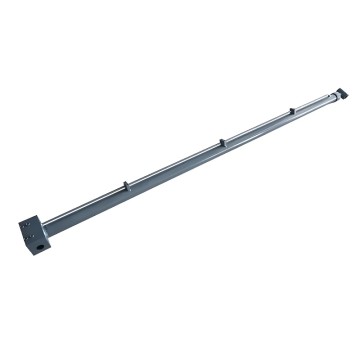
Multi-stage telescopic cylinder providing extended stroke capabilities within tight physical footprint constraints.
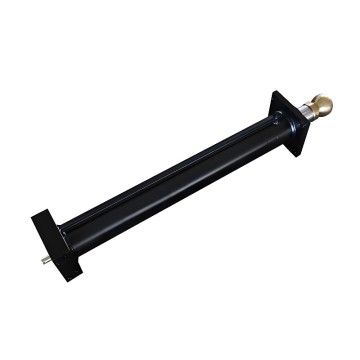
Engineered to stabilize high-lift machinery and aerial work platforms, offering fail-safe anti-drifting technology.
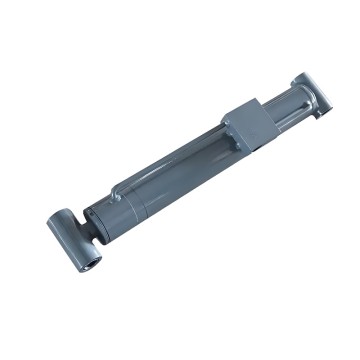
Delivers ultra-precise position feedback for automated self-leveling chassis systems under uneven terrain loads.
Tailor-made structural locking actuator built with enhanced seals for high-duty chemical and waste environments.
As modern machining moves toward higher spindle RPMs, automated pallet systems, and complex five-axis configurations, the strain on the spindle holding mechanisms is amplified. Global tier-one manufacturers in sectors like aerospace, automotive, and defense are no longer treating pull studs as commodity hardware; they are treated as engineered safety components.
Typical off-the-shelf options rarely account for specific CNC machine duty cycles or coolant-thru requirements. For instance, high spindle pressures (exceeding 70 bar/1000 psi) demand inner flow design characteristics inside the pull stud that balance hydrodynamic flow without introducing structural fatigue stress risers.
Our OEM/ODM solutions mitigate this risk. By optimizing internal flow cavities through finite element analysis (FEA), we ensure coolant passes without cavitation, keeping temperature cycles stable while avoiding localized stress concentrations.
A critical point of differentiation for high-grade pull studs lies in the balancing of alloy chemistry. Many suppliers utilize basic carbon steels that are prone to hydrogen embrittlement during surface plating. We mitigate these risks using high-purity alloy chemistries:
We employ premium 8620, 20MnCr5, or SNCM420 alloy steels. This selection ensures a high-strength core that retains ductility while supporting a hardened exterior casing.
Controlled carburized case depth (between 0.8mm and 1.2mm) guarantees that the high-stress areas near the neck and thread roots resist shear and fatigue crack initiation.
Precision thread grinding and contact face grinding ensure runout tolerances below 0.005mm, eliminating off-axis spindle stress during rotation.
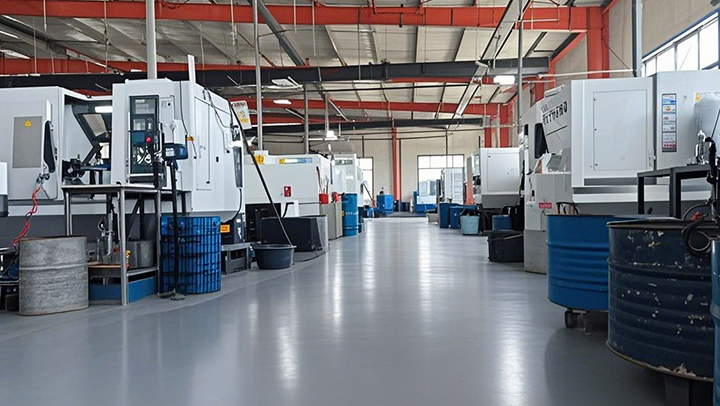
Whether you require standard production runs or customized geometries, our facility accommodates international standards:
Additionally, we specialize in custom engineering for custom dimensions, extended neck profiles, special O-ring seals, and non-standard thread pitches.
Our ODM retention studs are deployed across various high-stakes machining sectors worldwide:
High-volume milling of engine block surfaces requires continuous tool changes. Our pull studs resist early wear under cyclic clamp/unclamp operations.
Machining titanium and carbon composites demands massive torque profiles. High-tension retention studs prevent micro-chatter, ensuring high surface finishes.
Prolonged high-load roughing cuts on tool steel blocks generate significant vibration. Deep carburized case depths prevent shear failure under high lateral forces.
Looking ahead, Qingdao Micro Precision Machinery is aligning with Industry 4.0 paradigms. Our current R&D efforts focus on integrating sensor-ready technologies directly into tool-holding and clamping systems.
Additionally, we are investigating new surface treatments to extend part life in harsh environments. By researching Diamond-Like Carbon (DLC) coatings and complex duplex-treatment designs, we aim to decrease friction inside spindle clamping claws, minimizing mechanical wear while maintaining tight dimensional integrity.
Through green metallurgy partners, we are transitioning to low-carbon impact steel processing, ensuring your supply chain meets environmental, social, and corporate governance (ESG) metrics.
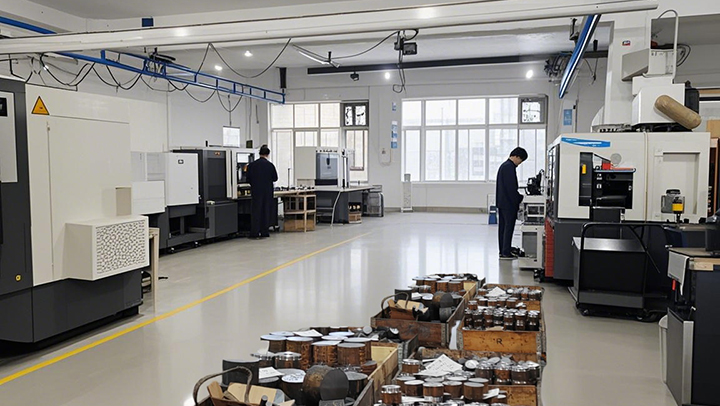
Answers to common engineering questions regarding the maintenance, installation, and inspection of retention studs.
Qingdao Micro Precision Machinery Co., Ltd. operates under international manufacturing standards. Our processes are checked and verified at every stage of production.