 Micro Precision
Micro Precision
Micro Precision
Explore our high-performance component catalog engineered to the industry's most demanding tolerance thresholds.
In the modern combustion engine industry, the cylinder head functions as the critical focal point for thermodynamics, fluid mechanics, and structural containment. Far from being a simple enclosure, a modern engine cylinder head is a complex system managing extreme pressures, intensive thermal cycling, and sophisticated gas flow distribution.
Transitioning from traditional heavy cast irons to lightweight Aluminum-Silicon alloys (such as AlSi7Mg0.3). These advanced materials dramatically improve heat dissipation and reduce the weight overhead on the front axle, optimizing vehicle dynamics.
Advanced CAD/CAE simulations allow factories to design multi-layered, intricate cooling passages. These pathways effectively pull heat away from the spark plug and exhaust valve bridges, mitigating local hot-spots and pre-ignition risks.
Modern layouts integrate exhaust manifolds directly inside the head. This technique speeds up catalytic converter light-off during cold starts, reduces emissions, and reduces parts assembly times at the primary factory level.
Global procurement teams in Europe, North America, and high-growth Asian markets evaluate prospective cylinder head factories on factors far beyond basic pricing. Modern supply chains demand robust material testing, geometrical compliance, and long-term volume scalability.
Key priorities for automotive and heavy-machinery procurement offices include:

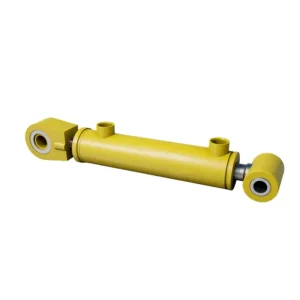
Established in 2006, Qingdao Micro Precision Machinery Co., Ltd. has developed into a leading global manufacturer of high-performance hydraulic systems, precision mechanical components, and compact equipment. Over nearly two decades of growth, we have consistently met the strict standards of world-renowned equipment companies, including Sandvik, Volvo Construction Equipment, and Kubota.
Our facility combines advanced metallurgical processing with precise CNC finish machining. This integration allows us to supply both robust standardized components and customized OEM/ODM components tailored to unique mechanical challenges across various global sectors.
Established with a commitment to "Precision Manufacturing, Reliable Quality," specializing in hydraulic cylinders and critical machined components for industrial partners.
Introduced advanced CNC automation to boost precision, while expanding our range with complex valve blocks and specialized machined components.
Collaborated with global automotive leaders like Toyota to develop specialized tooling for brake pad brackets, establishing a presence in international supply chains.
Achieved ISO 9001:2015 certification. Developed proprietary buffer designs, winning international acclaim for durabilty and fluid control.
Recognized officially for high-tech innovation, serving clients in over 35 countries with integrated casting and precision machining solutions.
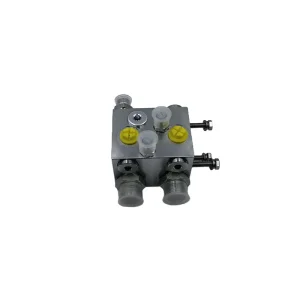
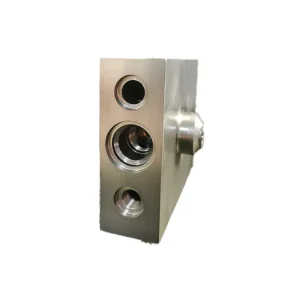
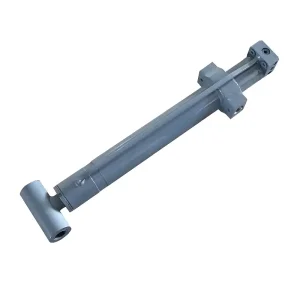
Our capabilities bridge raw material casting and high-precision finishing. We produce components that reliably perform under extreme mechanical stresses, including custom hydraulic cylinders, complex manifolds, and high-precision engine structural elements.
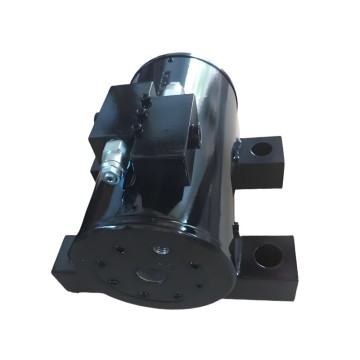
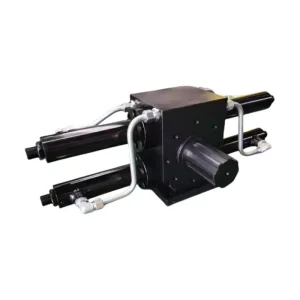
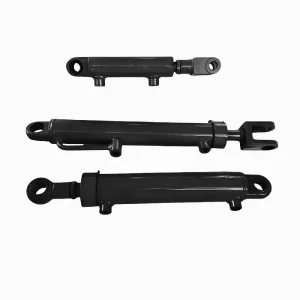
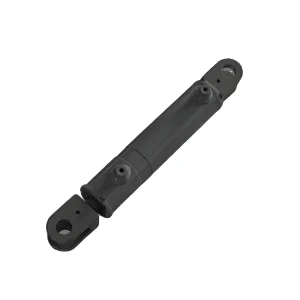
High torque output and robust rotation control for demanding industrial equipment.
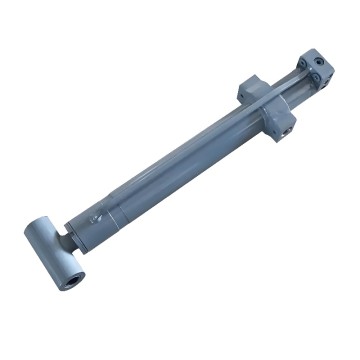
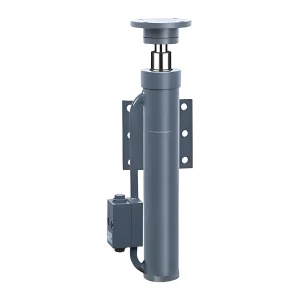
Engineered for heavy cranes and construction booms requiring smooth variable elevation.
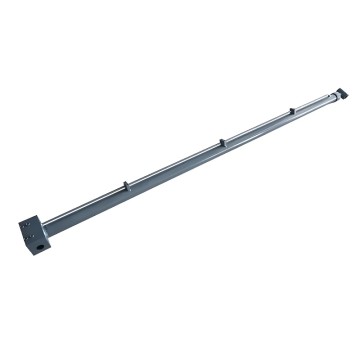
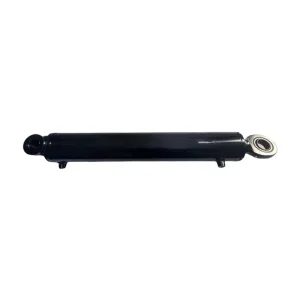
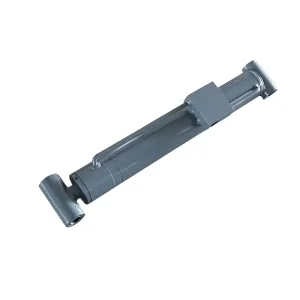
Multi-stage configuration providing long stroke extensions in tight structural spaces.
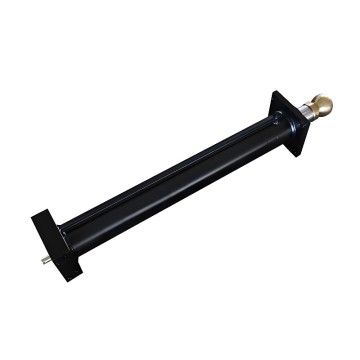
Provides reliable stabilization and load support for heavy commercial utility platforms.
Cylinder heads fail when heat is trapped or material grain structures are uneven. To counter these vulnerabilities, high-quality manufacturers focus on refining casting techniques, grain structures, and heat treatments. Utilizing finite element analysis (FEA), our engineering teams optimize wall thicknesses to ensure structural integrity without adding unnecessary weight.
GDC is highly effective for thick-walled, heavy-duty cylinder heads. Feeding molten metal from bottom to top under natural gravity reduces air pockets, resulting in dense, high-strength casting structures.
LPDC is ideal for high-volume automotive cylinder heads. Controlling the pressure of molten aluminum entry helps prevent oxide inclusion, creating uniform, high-density structures with excellent mechanical properties.
Our T6 thermal cycles optimize hardness and tensile strength. This process modifies the silicon phase structure within aluminum alloys, helping prevent fatigue cracks between the valve seats and glow plug areas.
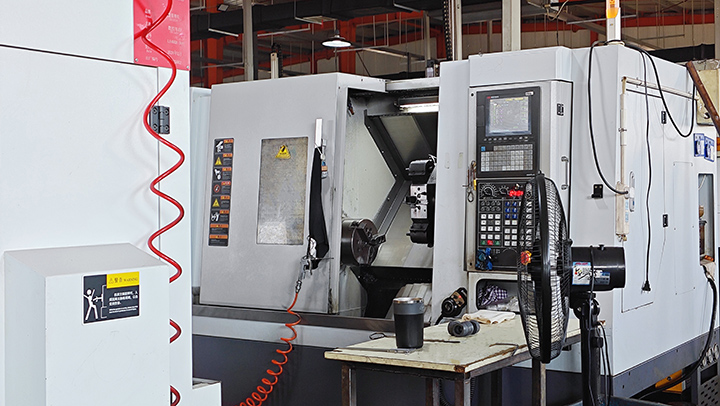
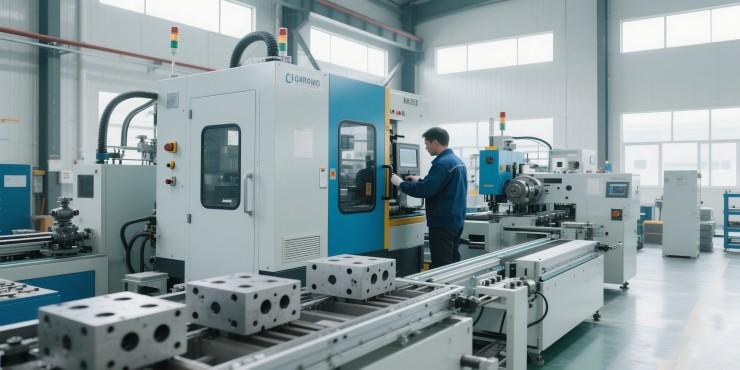
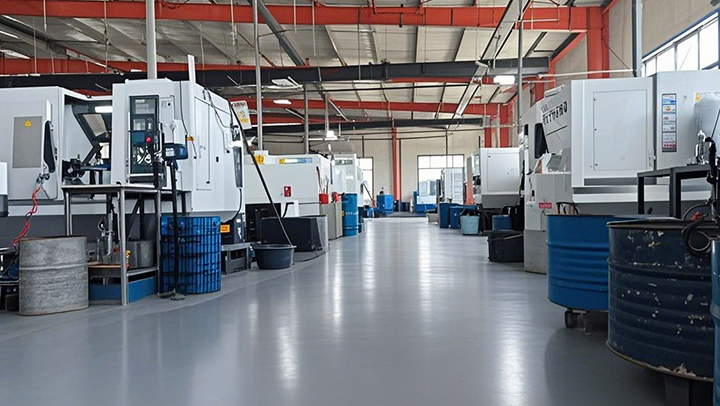
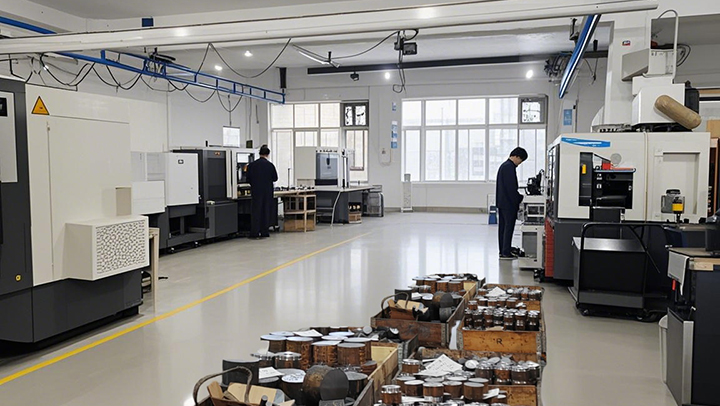
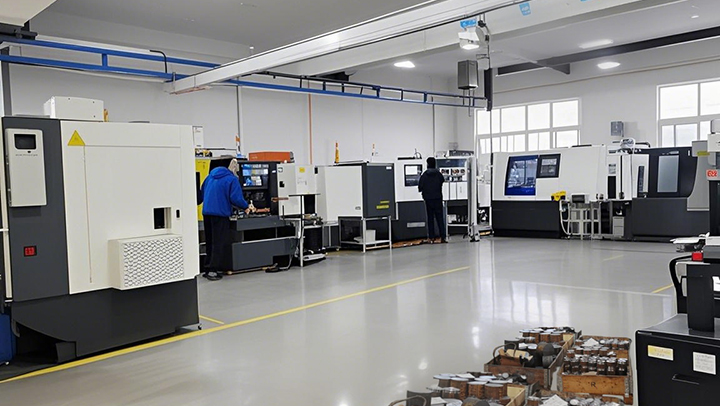
A cylinder head's efficiency depends heavily on the precision of its machined interfaces. Any misalignment in the valve seat angles or cam journal bore line results in compression loss, valve guide wear, and premature engine failure. We address these requirements with advanced processing lines:
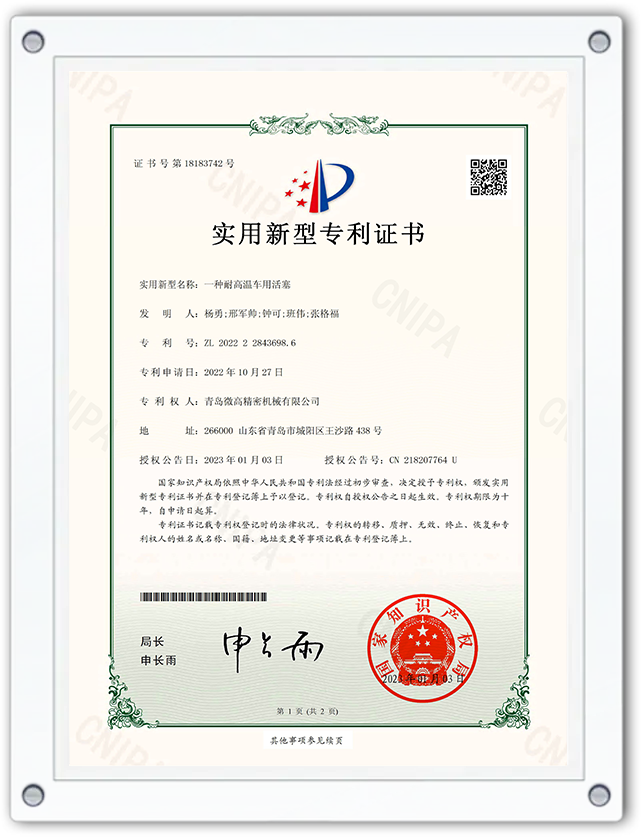
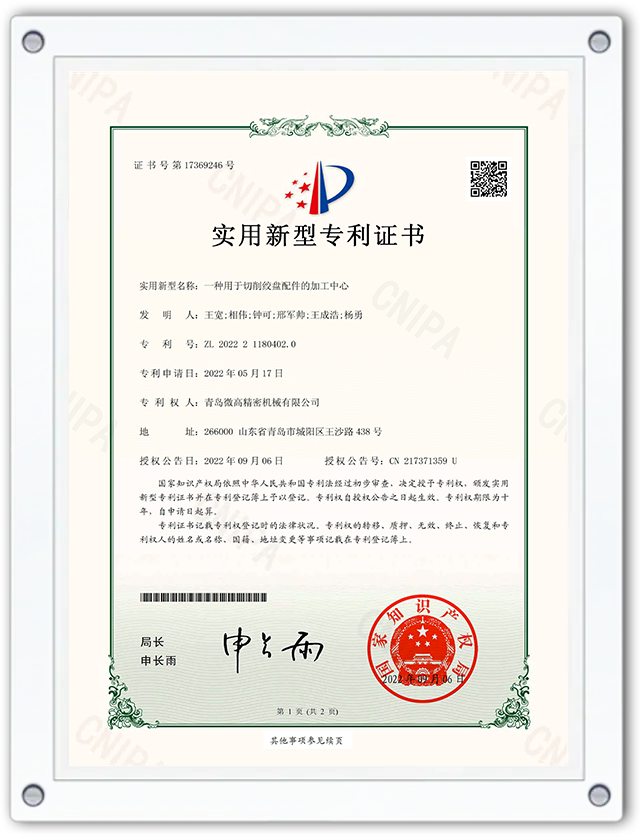
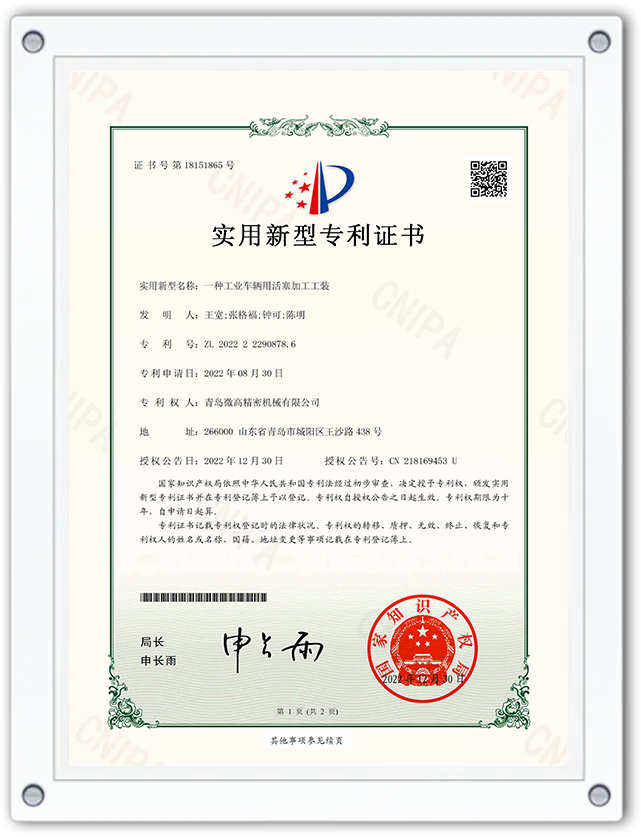
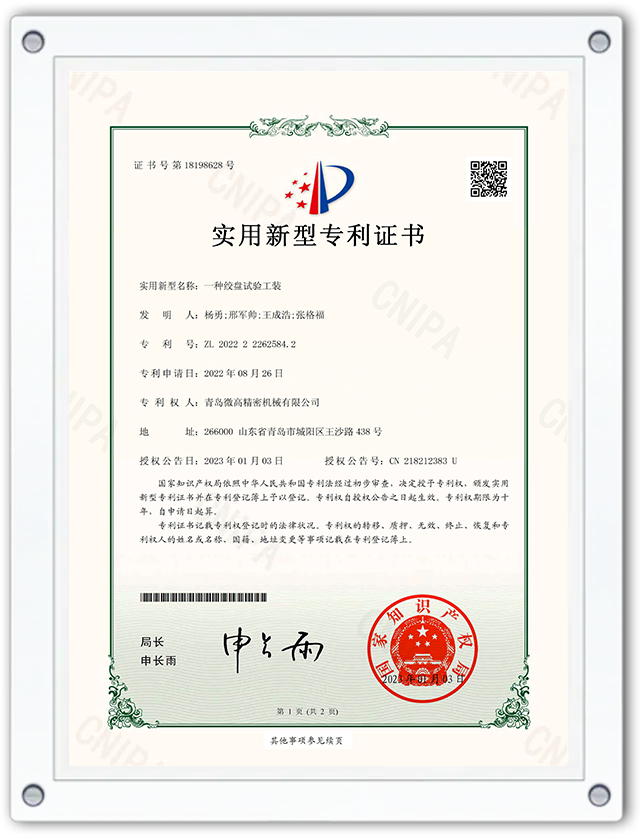
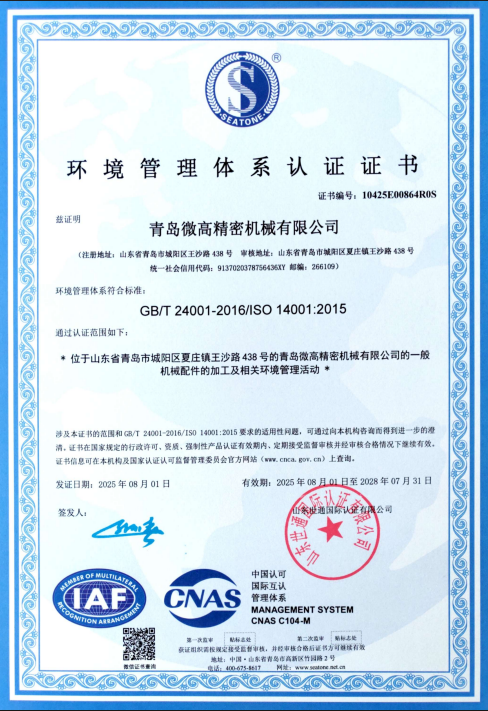
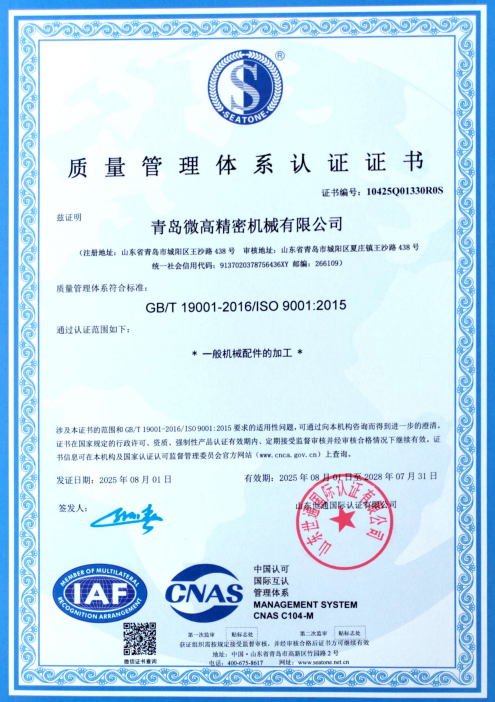
A manufacturer's reliability is backed by verified certifications. Our facility follows strict international quality control systems. Every stage, from chemical composition analysis in spectrometers to Coordinate Measuring Machine (CMM) dimensional checks, is documented for full traceability.
We maintain ISO 9001:2015 certification to guarantee consistent manufacturing workflows and maintain partnerships with tier-1 equipment and machinery companies worldwide.
As the engine industry transitions toward carbon neutrality, the demands on cylinder heads are shifting. Power units are trending toward hybrid combustion and zero-carbon fuels, like hydrogen (H2), which present unique engineering challenges.
Hydrogen gas reacts differently with traditional casting metals. Our R&D team is engineering new alloy compositions with modified nickel and manganese ratios to prevent micro-cracking caused by hydrogen embrittlement.
Applying advanced plasma-sprayed ceramic coatings to combustion chambers. These coatings keep heat inside the cylinder to boost thermodynamic efficiency while protecting the aluminum casting beneath.
We are implementing digital twins for our casting lines. Real-time temperature sensors track casting cooling rates, ensuring optimal grain structure distribution in every cylinder head we produce.
Get answers to the most common questions regarding alloy specifications, quality testing, and OEM cylinder head customization.
For modern turbocharged diesel and direct-injection gasoline engines, AlSi7Mg0.3 (A356) in a T6 temper condition is the industry standard. It offers an excellent balance of thermal conductivity, tensile strength, and fatigue resistance. For engines with high thermal loads, we can modify the alloy with copper and nickel additives to improve mechanical strength at elevated temperatures.
We control porosity through three key steps: 1) Vacuum degassing of molten metal to remove dissolved hydrogen gas; 2) Computerized mold flow simulations to optimize runner and riser placements; 3) 100% digital X-ray inspection of critical areas (like valve bridges and oil galleries) to verify internal density before finish machining.
Our 5-axis CNC machining centers routinely hold valve guide bore diameter tolerances within ±6 microns (±0.006 mm), and concentricity between the valve guide and seat insert within 15 microns (0.015 mm). This precision is essential to prevent oil consumption and ensure proper valve sealing over the engine's service life.
Yes, we support PPAP (Production Part Approval Process) submissions up to Level 3. This includes full FMEA (Failure Mode and Effects Analysis), control plans, process capability studies (Cpk ≥ 1.67), spectrometer chemistry analyses, and detailed coordinate measuring machine (CMM) dimensional layouts.
We test for leaks using high-pressure wet bubble tests and dry air decay tests on both rough castings and fully machined cylinder heads. We seal all oil and water circuits and pressurize them to 4–6 bar to detect even micro-porosity issues, ensuring no fluids leak into the combustion chambers.
Partner with Qingdao Micro Precision Machinery Co., Ltd. for reliable mechanical parts, precise CNC machining, and comprehensive OEM/ODM engineering support.
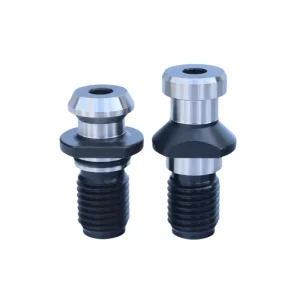
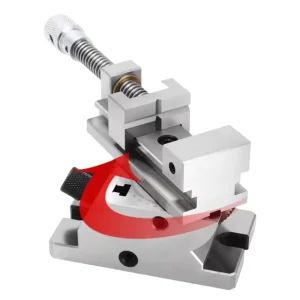
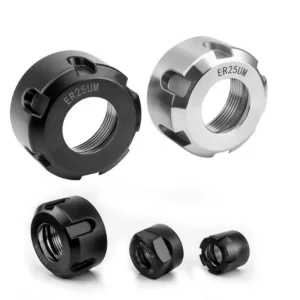
Contact Our Technical Sales TeamFrom heavy-duty hydraulic actuators to high-precision CNC tool holders, we manufacture components that keep your machinery running smoothly.