
Micro Precision
The hydraulic cylinder sector is vital for various industries worldwide. Experts emphasize the importance of high quality. John Smith, a hydraulic systems engineer, states, "Quality hydraulic cylinders ensure optimal performance in demanding environments." Buyers globally seek reliable solutions that enhance operational efficiency.
Hydraulic cylinders play a crucial role in machinery ranging from construction equipment to manufacturing lines. However, not all products meet rigorous standards. Some buyers report challenges in identifying top-quality cylinders. The market is flooded with options, making informed decisions essential.
Reliable manufacturers understand the complexities of hydraulic requirements. They invest in engineering and materials to create durable products. Yet, not every company upholds these principles. Buyers must be discerning, ensuring they select hydraulic cylinders that meet their specific needs without compromise.
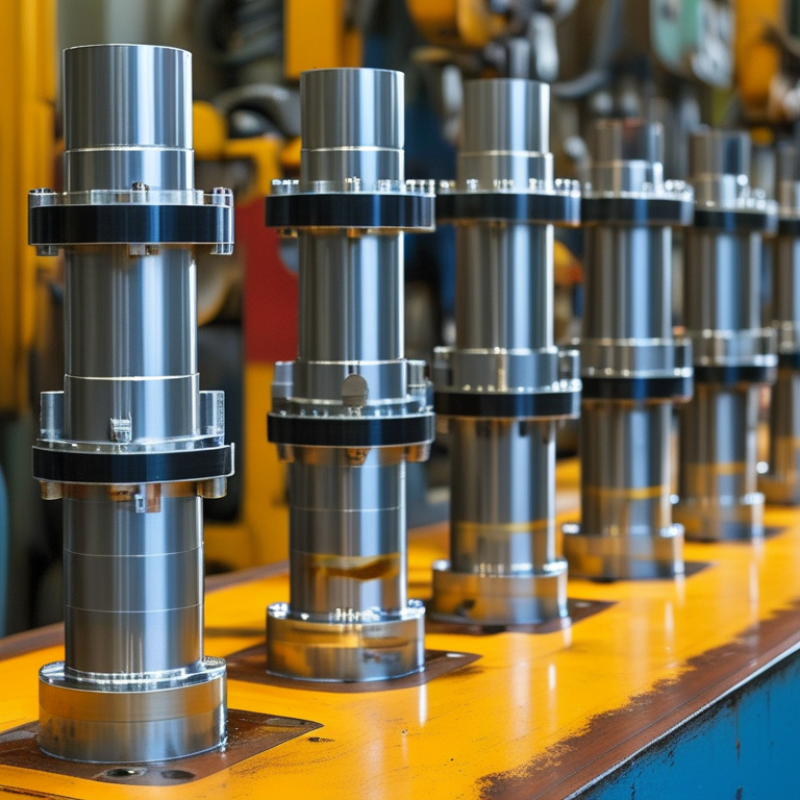
Hydraulic cylinders are vital components in various industries. They convert hydraulic energy into mechanical force. This function is crucial in machines like excavators and cranes. The versatility of these cylinders allows them to perform heavy lifting. Many industries rely on them for efficiency and safety.
Understanding the applications of hydraulic cylinders can help guide buyers. They are used in construction, manufacturing, and automotive industries. Each application has unique demands. For example, construction requires durable cylinders that can withstand harsh conditions. In contrast, automotive applications focus on precise movements.
Not every hydraulic cylinder is created equal. Potential buyers should consider the environment where the cylinders will be used. Proper selection can prevent failures and prolong lifespan. While many suppliers offer a range of options, not all meet high-quality standards. This can lead to unexpected downtime. Buyers should reflect on their specific needs and the reliability of their suppliers.
When selecting hydraulic cylinders, buyers must focus on key specifications. Key metrics include stroke length, bore size, and pressure rating. According to a recent industry report by ResearchAndMarkets, the global hydraulic cylinder market was valued at approximately $13 billion in 2022. Demand is expected to grow due to ongoing automation in industries like construction and manufacturing.
Understanding standards is crucial. The ISO 6020 and ISO 6022 are widely recognized standards for hydraulic cylinders. These ensure reliability and compatibility across various applications. Buyers should be cautious of variations in quality that may affect performance and longevity.
Tips: Always verify the certification of any hydraulic cylinder. Look for manufacturers who showcase compliance with recognized standards. Also, consider the operating environment. Hydraulic cylinders exposed to extreme temperatures or conditions may require custom specifications. Moreover, regular maintenance is often overlooked but is vital for preventing costly failures.
The hydraulic cylinder market is currently experiencing notable trends that reflect both production and demand dynamics. High-quality manufacturing processes have become essential. Many manufacturers focus on using advanced materials. This shift aims to improve durability and performance. Buyers are now more informed about product specifications. They seek cylinders that can withstand harsh conditions.
In addition, sustainability is gaining traction in the industry. Manufacturers are exploring eco-friendly solutions to meet buyer expectations. However, the transition can be challenging. Some firms struggle with balancing cost and quality. These challenges pose questions about long-term strategies. Trends indicate that customization is increasingly important. Buyers often require specific features for unique applications.
The global demand for hydraulic cylinders is closely tied to construction and manufacturing. Fluctuating markets impact production levels. Companies must adapt quickly to these changes. While there is a clear push for innovation, the implementation of new technology can be slow. As industries evolve, manufacturers face pressure to keep pace. The future of hydraulic cylinder production hangs in a delicate balance between demand and innovation.
Sourcing high-quality hydraulic cylinders presents significant challenges for global buyers. Many manufacturers claim to provide top-notch products. However, not all meet the stringent quality standards demanded by various industries. Variations in production processes can lead to inconsistencies. Buyers often find it difficult to verify these claims without thorough research.
Quality inspection is a critical step in the sourcing process. Buyers must establish quality benchmarks early on. It’s essential to evaluate suppliers based on their previous work and client testimonials. This requires time and effort, which many are unwilling to invest. Without careful scrutiny, organizations may end up with cylinders that do not meet their operational needs.
Logistics also play a vital role in sourcing hydraulic cylinders. International shipping can introduce delays that affect production timelines. Miscommunication about specifications can lead to receiving incorrect products. These challenges require buyers to employ clear communication and detailed contracts. A proactive approach can help in managing expectations and ensuring quality delivery. Yet, reflecting on past challenges can reveal the areas in need of improvement.
| Cylinder Type | Application | Material | Size (mm) | Pressure Rating (Bar) | Lead Time (Weeks) |
|---|---|---|---|---|---|
| Double-Acting Cylinder | Construction Equipment | Steel | 100×200 | 250 | 6 |
| Single-Acting Cylinder | Agricultural Machinery | Aluminum | 80×150 | 200 | 8 |
| Tie Rod Cylinder | Manufacturing | Stainless Steel | 120×250 | 300 | 10 |
| Cushioned Cylinder | Material Handling | Cast Iron | 140×300 | 250 | 5 |
| Mini Cylinder | Robotics | Aluminum Alloy | 50×100 | 150 | 4 |
When it comes to selecting hydraulic cylinders, a comparative analysis of global manufacturers reveals key insights. Various factors impact the quality and performance of hydraulic cylinders, including materials, design, and manufacturing processes. Some producers focus on innovation, while others prioritize affordability. This diversity can create confusion for buyers.
Tips: Research materials used. Reliable steel and seals enhance longevity and performance.
Manufacturers often claim exceptional quality, but verifying these claims is crucial. Buyers should ask for certifications and test results. Understanding the nuances of cylinder design can also be beneficial. For instance, certain designs accommodate higher pressures better. Analyzing performance under realistic operating conditions is essential for informed decisions.
Tips: Evaluate performance in real-world applications. This can reduce unexpected failures later.
Selecting the right hydraulic cylinder involves weighing various manufacturer attributes. Not all cylinders are created equal. Buyers must remain vigilant and demand transparency. A detailed comparison can save time and prevent costly mistakes. Being well-informed can lead to more effective purchases.
: Key specifications include stroke length, bore size, and pressure rating.
Standards like ISO 6020 and ISO 6022 ensure reliability across various applications.
Check for certification and compliance with recognized standards.
Regular maintenance is crucial for preventing costly failures.
Manufacturers focus on using advanced materials and eco-friendly solutions.
Buyers often need specific features for unique applications they require.
Variations in production processes lead to quality inconsistencies.
International shipping delays can disrupt production timelines significantly.
Evaluate suppliers based on their previous work and client testimonials.
Miscommunication can lead to incorrect products being delivered, causing issues.
The article "Top Quality Hydraulic Cylinders for Global Buyers Need?" delves into the essential aspects of hydraulic cylinders and their various applications across multiple industries. It emphasizes the importance of understanding key specifications and standards necessary for maintaining quality in hydraulic cylinders. Additionally, the article highlights the current market trends influencing the production and demand for these critical components, providing insights into how global sourcing can present challenges for buyers seeking top-notch hydraulic cylinders.
Moreover, a comparative analysis of leading hydraulic cylinder manufacturers worldwide showcases the competitive landscape, enabling buyers to make informed decisions. By addressing both the opportunities and hurdles in sourcing high-quality hydraulic cylinders, the article serves as a valuable resource for buyers aiming to enhance their procurement strategies in an ever-evolving market.
