
Micro Precision Micro Precision

Top Machine Vice Types for Reliable Precision Work?

Time:2026-07-19 Author:Mason
0%

In the world of precision work, the machine vice is an essential tool. It provides stability and accuracy in various machining tasks. Choosing the right type of machine vice can greatly influence the quality of the finished product. Different designs cater to diverse needs, from simple clamping to complex configurations.

Machine vices come in various types, each with specific purposes. Some are designed for general use, while others excel in specialized applications. Understanding these nuances can help professionals make informed decisions. The right choice can enhance workflow and ensure reliable outcomes. However, not all vices are created equal.

It's important to evaluate your specific requirements before selecting a machine vice. Take time to consider factors like material, size, and clamping mechanism. Experimenting with different types might reveal surprising insights. The quest for precision continues, and the machine vice remains a pivotal element in this journey. Each choice offers lessons and opportunities for improvement, contributing to mastery in the field.
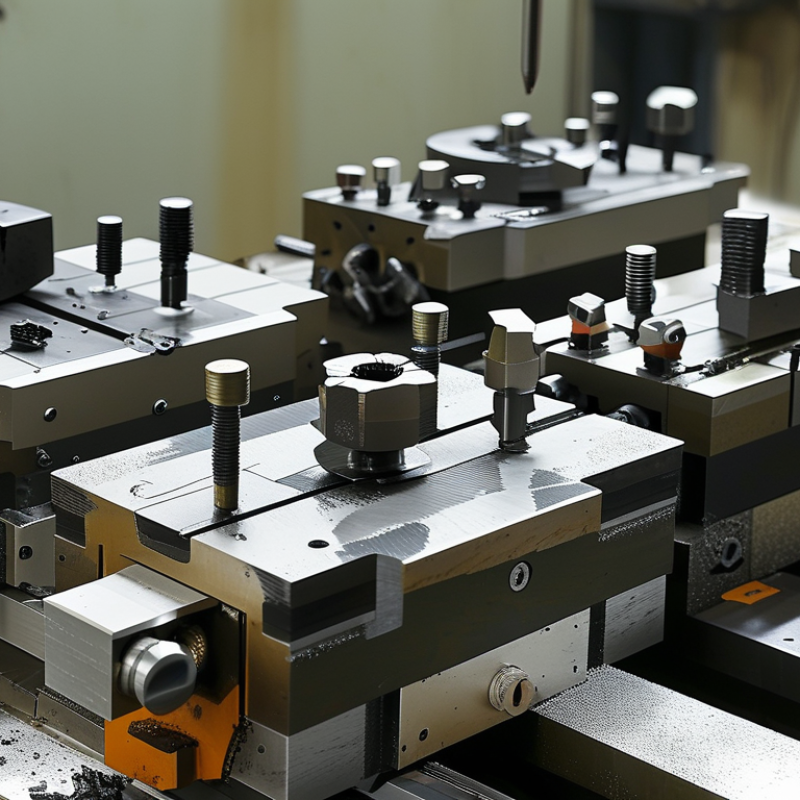
Top Machine Vice Types for Reliable Precision Work?

Understanding the Functionality of Machine Vices in Precision Work

Machine vices play a crucial role in precision work. They provide a stable and secure hold for materials during various machining processes. When choosing a machine vice, understanding its functionality is key. Different types cater to unique tasks. For example, some are designed for holding irregular shapes, while others excel in clamping flat surfaces. This versatility can transform your workflow and improve accuracy.

Precision work relies on consistency. A well-designed machine vice minimizes movement, ensuring that each cut or drill is exact. However, not all vices are equal. Users must consider factors such as jaw width, clamping force, and material compatibility. Sometimes, even minor adjustments can lead to significant differences in outcomes. It’s essential to find a balance between strength and adjustability.

Still, even expert users encounter challenges. Misalignments can occur due to worn-out components or improper setup. Regular maintenance and inspection of your vices can mitigate these issues. Reflecting on previous projects helps identify which types of vices worked best and why. Continuous learning is vital in mastering the art of precision work with machine vices.

Top Machine Vice Types for Reliable Precision Work

Vice Type Material Jaw Type Clamping Capacity (mm) Applications
Fixed Machine Vice Steel Parallel 100 Milling, Drilling
Rotary Vice Aluminum Flat 150 Precision Machining, Grinding
Angle Vice Cast Iron Inclined 75 Welding, Fabrication
Cross Vice Steel Cross 100 Multi-Axis Work
Quick Release Vice Steel Parallel 125 General Purpose

Key Features to Consider When Choosing a Machine Vice

When choosing a machine vice, precision and reliability are paramount. First, consider the jaw configuration. Vices come with parallel or angled jaws, each serving different tasks. A parallel jaw provides a solid grip for flat materials. Angled jaws can hold irregular shapes, offering versatility.

Another important feature is the material of the vice. Steel is common due to its durability. However, cast iron is favored for its stability and vibration absorption. Make sure the surface finish is smooth. Rough surfaces can damage workpieces and cause inaccuracies.

Pay attention to the vice's clamping mechanism as well. A quick-release feature can save time. But, if the locking system isn’t robust, it might lead to weak grips. Finally, check the vice's weight and size. A heavier vice generally offers better stability, yet it should fit within your workspace easily. Always reflect on your requirements before making a decision.

Top Machine Vice Types for Reliable Precision Work

This chart represents the popularity of different types of machine vices based on user preference for precision work. Bench vices are the most favored, followed by universal vices and precision vices. They are crucial for achieving reliable and accurate results in machining tasks.

The Most Popular Types of Machine Vices and Their Uses

When it comes to precision work, machine vices are essential tools. They ensure that parts are held securely during machining processes. Various types of machine vices cater to different requirements. Understanding their uses is crucial for achieving optimal results.

The stationary vice is a standard choice for general work. It's easy to use and suitable for many applications, from woodworking to metalworking. Additionally, the swivel vice can rotate, providing flexibility in positioning. This feature allows for more complex operations.

Tips: Always check the vice for wear and tear. A damaged vice can lead to imprecise work. Furthermore, consider the material of the vice. Some materials may provide better grip for specific tasks.

Another popular option is the cross-slide vice. It offers two-axis movement, allowing for increased accuracy. This type is perfect for detailed jobs where alignment matters. However, it can be bulky, so only use it when necessary.

Tips: Keep your work area organized. A cluttered space can lead to mistakes. Regular maintenance of the vice will enhance its lifespan and your productivity.

Each type of vice has its strengths. Choosing the right one depends on your specific needs. Assessing your requirements will guide you in making an informed decision.

Tips for Maintaining and Adjusting Machine Vices for Optimal Performance

Maintaining and adjusting machine vices is crucial for precision work. Regular checks can prevent common issues. Start by inspecting the jaws. Look for wear and damage. Worn jaws can lead to uneven clamping and inaccurate results. Cleaning the vice regularly removes debris. This simple action enhances performance.

Adjusting the alignment is equally important. Misalignment can impact accuracy. Use a dial indicator to check for deviation. This tool helps identify the slightest misalignment. Loosen the mounting screws, and gently reposition the vice. Tighten everything once aligned correctly. It’s a meticulous process, but worth the effort.

Don’t overlook lubrication. Proper lubrication keeps moving parts functional. Use a light oil in the sliding areas. Too much oil, however, can attract dust. Finding the right balance is key. Reflect on your techniques regularly. Sometimes, small adjustments yield significant improvements in precision work. Taking the time to review your process can prevent larger issues down the line.

Comparative Analysis of Machine Vice Materials for Durability and Precision

When selecting a machine vice, the material significantly impacts durability and precision. Steel, for instance, is a popular choice due to its strength and ability to withstand heavy loads. Cast iron offers excellent vibration dampening, which helps maintain accuracy during machining. However, softer materials may deform under high stress, leading to potential misalignment in workpieces. It's crucial to understand these material properties to ensure effective operations.

Tips: Always evaluate the specific requirements of your projects. Consider the type of machining and the kind of materials you'll be working with. This can guide your material choice effectively.

Aluminum is lightweight and resistant to corrosion, making it suitable for lighter tasks. However, it lacks the toughness present in steel and cast iron. Thus, for heavy-duty applications, a more robust option is essential. Not every machine vice will perform equally across all tasks. Reflecting on your past projects can help you make informed choices.

Tips: Keep maintenance in mind. Regular checks can prolong your machine vice's lifespan. Watch for signs of wear, especially on softer materials. Proper care can ensure sustained accuracy and durability.

FAQS

: What is the primary purpose of machine vices in precision work?

: Machine vices secure materials during machining, ensuring stable and precise outcomes.

How do I choose the right machine vice?

Consider factors like jaw width, clamping force, and material compatibility for your specific tasks.

Why is regular maintenance important for machine vices?

Regular maintenance prevents common issues and ensures consistent performance during machining.

What can cause misalignment in machine vices?

Worn-out components or improper setup may lead to misalignment, affecting accuracy.

How often should I clean my machine vice?

Regular cleaning removes debris. It enhances performance and prevents inaccuracies in work.

What tool can help check for alignment issues?

A dial indicator helps identify minor misalignments in machine vices.

What type of oil should I use for lubrication?

Use a light oil in sliding areas, remembering that too much can attract dust.

How can small adjustments affect precision work?

Minor tweaks can lead to significant improvements in accuracy over time.

What should I reflect on after completing a project?

Review past projects to understand which machine vices worked best and why.

Is it possible to achieve perfect alignment every time?

Achieving perfect alignment is challenging. Regular reflection and adjustment can help improve results.

Conclusion

A machine vice is an essential tool in precision work, providing stability and support for various machining operations. Understanding its functionality is crucial for achieving accurate results. When selecting a machine vice, key features such as jaw design, clamping mechanism, and size should be carefully considered to ensure optimal performance.

There are several popular types of machine vices, each tailored for specific applications, including drilling and milling operations. Proper maintenance and adjustment are critical for keeping these tools in top working condition. Additionally, a comparative analysis of machine vice materials reveals that options like cast iron and aluminum offer varying durability and precision, influencing the choice depending on the intended use. Overall, selecting the right machine vice and maintaining it effectively are vital steps in enhancing precision in machining tasks.

Mason

Mason

Mason is a seasoned marketing professional with a deep expertise in the company's offerings and a passion for driving brand awareness. With a strong background in digital marketing strategies, he has an innate ability to connect with diverse audiences and effectively communicate product benefits.......