
Micro Precision
The global hydraulic parts market is witnessing significant growth. According to recent industry reports, the market is projected to reach $52 billion by 2025, with a compound annual growth rate of 5.8%. This surge is largely driven by increased demand in construction and manufacturing sectors. China stands out as a major supplier of hydraulic components, offering high-quality and competitively priced products.
Hydraulic parts play a vital role in various applications, from heavy machinery to automotive systems. These components are essential for power and motion control. However, buyers must navigate challenges such as quality variations and supply chain reliability. Importers need to be aware that while many Chinese manufacturers provide excellent products, others may not meet international standards. Thorough due diligence is crucial to ensure a successful procurement process.
By understanding the landscape of hydraulic parts from China, buyers can make informed decisions. Leveraging data and industry insights helps mitigate risks and enhances supply chain effectiveness. It is essential to select suppliers who prioritize quality and compliance to maintain operational integrity. As interest in hydraulic technology grows, focusing on reliable sourcing will be key for global buyers aiming to optimize their operations.
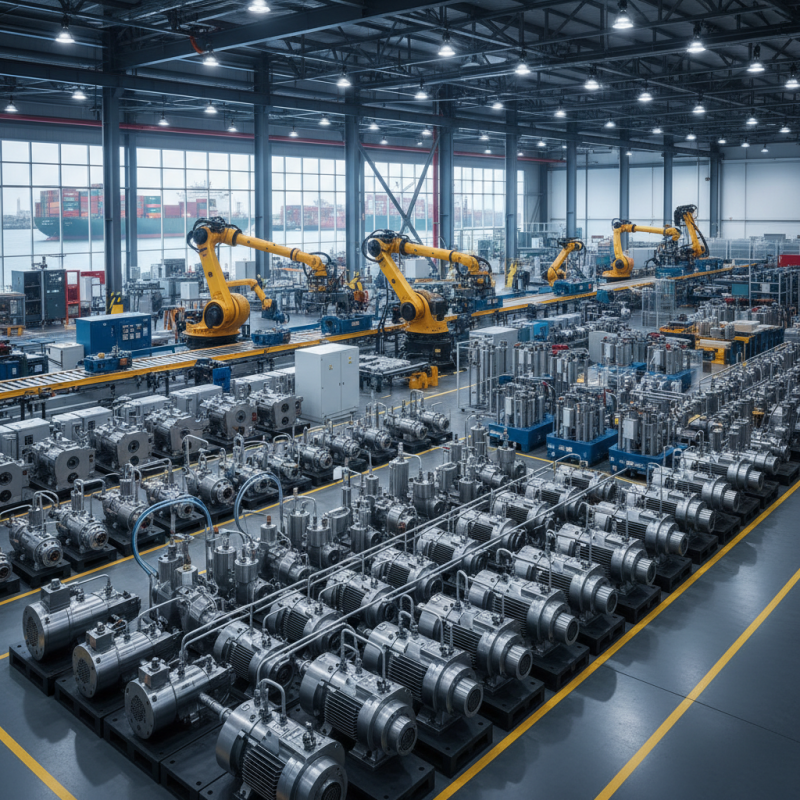
The hydraulic parts industry in China has witnessed substantial growth in recent years. With advanced manufacturing capabilities and competitive pricing, China has become a key player in the global market. Many international buyers now source hydraulic components from Chinese manufacturers due to their efficiency and cost-effectiveness.
The range of hydraulic parts available is vast. Manufacturers offer everything from pumps and cylinders to valves and fittings. These products are crucial in various sectors, including construction, agriculture, and automotive industries. However, not all manufacturers meet the same standards. Buyers should conduct thorough research to identify reliable suppliers.
Tips: Verify certifications and quality standards before making a purchase. Regular inspections of products can also help in ensuring their reliability. Additionally, keeping communication open with suppliers can enhance trust and improve product quality. This approach may help in fostering long-term relationships with manufacturers.
While the potential is high, challenges exist. Some manufacturers may lack transparency in their operations. There could be discrepancies in product specifications or quality. International buyers should be prepared to face these issues and should prioritize partnerships with vendors who demonstrate a commitment to quality and communication. This cautious approach can lead to better outcomes in the long run.
When sourcing hydraulic parts in China, several key manufacturers stand out. These companies have built strong reputations for reliability and quality. They offer a wide range of hydraulic components, from pumps to valves. Their expertise in production processes ensures that their products meet international standards.
Tips: Research each manufacturer thoroughly. Check their certifications and client reviews. This can save time and reduce risks.
Many manufacturers in China invest heavily in technology. Advanced equipment increases precision and efficiency in production. This leads to better products, benefiting global buyers. However, not every factory maintains consistent quality. It’s wise to conduct quality inspections before finalizing orders.
Tips: Establish clear communication with suppliers. Regular updates can help clear misunderstandings. It’s essential to maintain a good relationship for future transactions.
Hydraulic parts from China are essential in various industries. They play a crucial role in machinery and equipment around the globe. Different types of hydraulic components are popular among international buyers. These include pumps, cylinders, valves, and fittings. Their demand is increasing due to the rise in industrial automation.
Quality and reliability are key when sourcing hydraulic parts. Many manufacturers in China invest in modern production techniques. This enhances efficiency and ensures higher quality outputs. However, buyers should carefully assess suppliers. Not all manufacturers meet the same standards. A thorough evaluation of their processes can prevent issues later.
Another factor to consider is the supply chain. Shipping times can vary. Delays may occur, affecting project timelines. Buyers need to maintain open communication with suppliers. Understanding potential challenges is necessary for seamless operations. While many choose China for cost-effective solutions, it is vital to prioritize quality. Balancing cost and quality is often a complex task.
When considering hydraulic parts from China, quality standards are paramount. Many manufacturers adhere to international certifications such as ISO 9001. This ensures a baseline of quality management.
Different industries may have unique requirements. Some hydraulic components must meet specific performance standards. Understanding these needs is essential for making informed purchasing decisions. Buyers should look for transparency in testing and quality assurance processes. Certifications like CE or UL can indicate compliance with international safety standards.
Additionally, not all manufacturers follow these standards consistently. Some may offer low prices but compromise on quality. Conducting thorough research on suppliers is crucial. Requesting product samples can aid in evaluating reliability. Observe how companies communicate about their quality practices. This will provide insight into their commitment to excellence.
| Part Type | Material | Standard | Certification | Application |
|---|---|---|---|---|
| Hydraulic Cylinder | Steel | ISO 15552 | CE, SGS | Construction Machinery |
| Hydraulic Pump | Cast Iron | DIN 24 558 | ISO 9001 | Industrial Equipment |
| Hydraulic Hose | Rubber | SAE J517 | UL, ISO 14001 | Agricultural Machinery |
| Directional Control Valve | Aluminum Alloy | ISO 4401 | CE, ANSI | Mobile Equipment |
| Hydraulic Filter | Synthetic Fiber | ISO 16889 | ISO 9001 | Logistics & Transport |
The hydraulic parts sector in China is witnessing remarkable trends and innovations. In 2022, the market for hydraulic components in China reached approximately $15 billion and is projected to grow by 8% annually. This growth signals significant technological advancements and increased demand from global markets. Manufacturers are placing a strong emphasis on the development of energy-efficient hydraulic systems. These systems can enhance performance while reducing operational costs.
There is a noticeable shift towards automation in hydraulic systems. Companies are investing in smart technologies and IoT integration. This transition aims to improve efficiency and reliability in industrial applications. However, challenges remain in ensuring compatibility with existing systems. The industry is also facing concerns about the sustainability and recyclability of hydraulic fluids. Addressing these issues requires innovation and collaboration across the supply chain.
Furthermore, the competitive landscape is evolving. Manufacturers are focusing on R&D to stay ahead. Some companies lack the resources for extensive research, which creates a gap in innovation. Collaboration with research institutions can be a potential solution. The drive for better standards and certifications is also evident, as clients demand reliable and durable products. These factors contribute to a dynamic environment where improvement is essential.
: Common components include pumps, cylinders, valves, and fittings. These parts are crucial for many industries.
Buyers should verify certifications and quality standards. Conducting thorough research is essential for identifying trustworthy suppliers.
Challenges include lack of transparency and potential discrepancies in product specifications. Staying informed helps navigate these issues.
Open communication builds trust and enhances product quality. It can lead to long-term partnerships and smoother transactions.
Shipping times can vary, leading to potential delays. Communication about shipping is crucial to avoid project timeline issues.
Buyers should focus on balancing cost and quality. Finding the right balance can be complex and requires careful consideration.
China has emerged as a pivotal player in the global hydraulic parts industry, thanks to its diverse range of manufacturers and a robust supply chain. The country produces various hydraulic parts that cater to international markets, with key manufacturers focusing on innovation and efficiency. The most popular hydraulic components exported include pumps, cylinders, valves, and fittings, which are essential for various industrial applications.
In terms of quality, Chinese hydraulic parts adhere to international standards and certifications, ensuring reliability and performance for global buyers. The industry is also seeing significant trends, such as advancements in technology and a shift towards more sustainable manufacturing practices. Overall, China's hydraulic parts sector is well-positioned to meet the growing demands of the global marketplace while continuously improving its product offerings and standards.
