
Micro Precision Micro Precision

Top 10 Hydraulic Manifold Types for Global Buyers

Time:2026-10-02 Author:Mason
0%

Hydraulic Manifold selection now affects efficiency, safety, service time, and total ownership cost. Global buyers face a crowded market, with cartridge, monoblock, sandwich, modular, and custom manifold designs competing for attention. Grand View Research’s Hydraulic Manifold Market report identifies rising automation and compact system design as major growth drivers. MarketsandMarkets also links hydraulic equipment demand with construction, agriculture, energy, and industrial machinery investment.

Small choices matter. A poorly sized port can create heat, noise, and pressure loss. A hidden contamination problem can stop an entire production line. Material, coating, valve compatibility, testing, and replacement access deserve equal attention. In Hydraulic Manifold engineering, “compact” does not always mean “efficient.” That distinction is easy to miss.

Hydraulic systems author and educator John Watton has emphasized that “control quality begins with sound circuit design.” His principle applies directly to manifold selection. A manifold should reduce connections, shorten hoses, and support predictable maintenance. It should not merely make the assembly look cleaner. The following guide compares ten common Hydraulic Manifold types for international buyers. It considers circuit complexity, operating pressure, installation space, customization, maintenance, and sourcing practicality. ISO 4413 guidance and manufacturer test documentation should support every serious purchasing decision. Still, specifications alone can mislead. Real performance depends on fluid cleanliness, assembly quality, operator habits, and application conditions. This ranking is therefore useful, but not absolute. The best manifold is the one that fits the actual circuit, not the one with the most impressive catalog page.
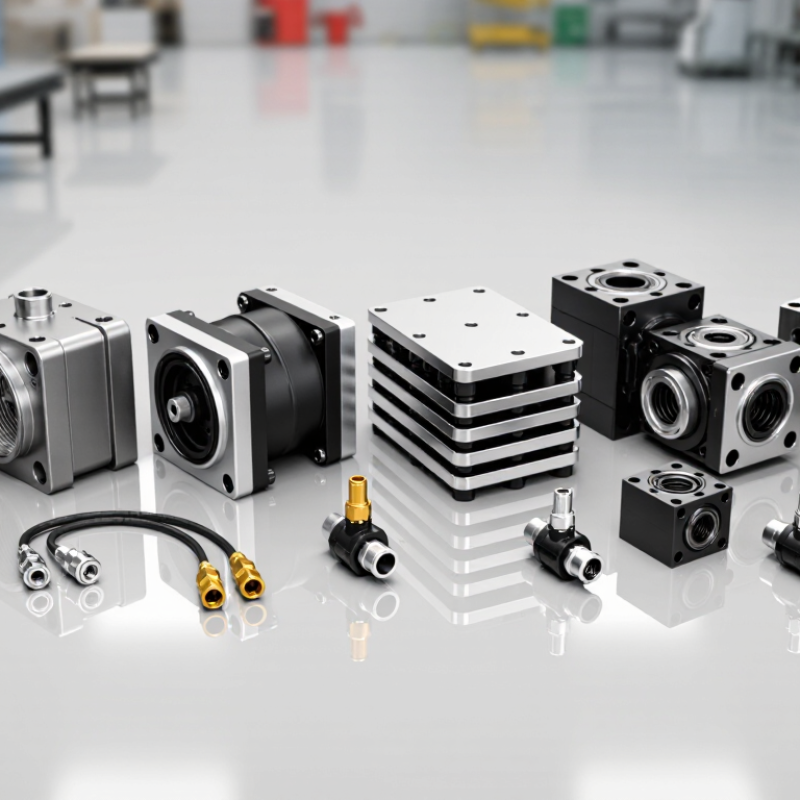
Top 10 Hydraulic Manifold Types for Global Buyers

Hydraulic Manifold Basics: Functions, Components, and Operating Principles

Hydraulic manifolds organize fluid power in a compact block. They connect pumps, actuators, valves, and return lines while reducing external hoses. Common types include monoblock, sectional, sandwich, cartridge, and custom manifolds. Each design suits different pressure ranges, service needs, and installation spaces. A well-designed manifold can shorten assembly time and reduce potential leak points.

Inside the block, drilled passages guide oil between ports and control elements. Relief valves limit excessive pressure. Check valves prevent unwanted reverse flow. Directional valves control actuator movement, while flow controls adjust speed. Gauge ports help technicians measure pressure near critical circuits. Pressure changes everything. When a spool shifts, its lands open or close passages, changing flow direction and actuator behavior. Clean oil is essential because small particles can damage close-tolerance components.

Selection should begin with working pressure, flow rate, port size, fluid type, temperature, and required functions. Buyers should also review material compatibility, sealing technology, mounting dimensions, and test documentation. In field installations, I have seen a compact manifold simplify troubleshooting, but only when ports were clearly marked. A small labeling mistake can delay maintenance. That detail is easy to overlook. Buyers should request circuit diagrams, pressure-test records, and dimensional drawings before approval. Applicable technical standards should be checked for the operating region and machinery category. Some applications need custom drilling or additional sensing ports, although extra features can increase cost and create more failure points.

Top 10 Hydraulic Manifold Types for Global Buyers

Hydraulic Manifold Basics: Functions, Components, and Operating Principles

The chart compares representative maximum working-pressure capabilities for ten widely used hydraulic manifold configurations. Actual ratings depend on material, port size, valve selection, sealing technology, temperature, fluid condition, and safety factors. Hydraulic manifolds integrate valves, passages, ports, and cartridge cavities to simplify circuit layout, reduce leakage points, and improve system control.

How Hydraulic Manifolds Are Classified by Circuit Design and Application

Top 10 Hydraulic Manifold Types for Global Buyers

Hydraulic manifolds are classified by circuit design, valve arrangement, and working environment. The categories can overlap. A single manifold may fit several descriptions.

Monoblock manifolds machine several passages into one solid body. Sectional manifolds use separate valve sections for easier expansion. Sandwich manifolds stack control modules between a base and directional valve. Cartridge manifolds hold insert valves inside drilled cavities, supporting compact, high-flow circuits. Subplate manifolds connect valves through standardized mounting surfaces. Integrated manifolds combine passages, valves, sensors, and relief functions in one engineered block.

Circuit behavior creates four more useful types. Open-center manifolds return pump flow when valves are idle. Closed-center designs hold pressure for systems using variable displacement pumps. Load-sensing manifolds adjust pump output according to demand, reducing heat and energy waste. Electrohydraulic manifolds add electronic proportional control for precise speed or force regulation.

Application also matters. Mobile equipment usually needs compact blocks, shock resistance, and easy service access. Industrial presses may prioritize repeatability, contamination control, and heat management. Offshore or outdoor systems require suitable coatings and carefully selected seals. Field inspections often reveal a simple problem: the drawing is correct, but access for maintenance is poor. That detail matters.

Flow rate, pressure, oil cleanliness, port orientation, and emergency operation deserve equal review. A manifold can be technically efficient yet difficult to troubleshoot. Global buyers should verify test procedures, material certificates, pressure ratings, and documentation before approval. Small assumptions create large delays.

Top 10 Hydraulic Manifold Types for Global Buyers - How Hydraulic Manifolds Are Classified by Circuit Design and Application
Rank Hydraulic Manifold Type Circuit Design Primary Function Typical Applications Common Port or Valve Arrangement Indicative Pressure Class Main Buying Considerations
1 Monoblock Manifold A single machined body integrates several internal passages and valve interfaces into one compact block. Combines directional control, pressure control and auxiliary functions while reducing external tubing. Mobile machinery, compact power units, agricultural equipment and material-handling systems. Commonly includes inlet, tank, work ports, relief valve cavity and optional auxiliary sections. 160–350 bar Compact size, low leak-point count, port orientation, valve compatibility and service access.
2 Subplate-Mounted Manifold A machined block uses standardized mounting patterns for separate directional, pressure or flow-control valves. Provides a rigid interface between valves and the hydraulic circuit without using multiple hoses. Industrial presses, machine tools, injection-molding equipment and stationary power units. Often designed around ISO 4401 or CETOP mounting patterns, with P, T, A and B ports. 210–350 bar Mounting standard, valve size, flow capacity, port configuration and ease of replacement.
3 Sandwich or Modular Manifold Individual valve modules are stacked between a base plate and a top plate, with common internal passages. Allows pressure, check, throttle and directional functions to be added or rearranged without redesigning the complete block. General industrial automation, machine retrofits and systems requiring flexible circuit changes. Stacked modules typically share pressure and return galleries and may include work-port stations. 210–315 bar Module availability, stack height, internal leakage, pressure drop and future expandability.
4 Sectional Manifold The manifold is assembled from separate valve sections connected through common inlet and return passages. Controls several actuators independently while permitting circuit expansion and sectional customization. Excavators, loaders, cranes, forestry machines and other multi-function mobile equipment. Inlet, working sections, optional auxiliary sections and outlet section; parallel or series circuits may be used. 210–350 bar Number of sections, simultaneous flow sharing, spool configuration, load-sensing capability and maintenance.
5 Cartridge Valve Manifold Logic, directional, pressure and flow-control cartridge valves are installed in precision-machined cavities. Provides high-flow control with short internal passages and flexible logic-circuit design. High-performance presses, die-casting machines, mobile hydraulics and large industrial power units. Two-way or three-way cartridge cavities with pilot-control, vent, cover and poppet elements. 250–420 bar Cartridge cavity standard, flow rating, contamination control, pilot circuit design and access for servicing.
6 Functional Manifold Several hydraulic functions are combined into one dedicated block, such as clamping, counterbalance or sequencing. Performs a defined machine sub-function using integrated checks, relief valves, flow controls and gauges. Clamping circuits, lifting systems, hydraulic tools, workholding fixtures and actuator protection circuits. Configured around the actuator with inlet, outlet, work ports and integrated safety or control elements. 160–350 bar Required sequence, fail-safe behavior, adjustment range, test points and suitability for the target actuator.
7 Load-Sensing Manifold Uses a load-signal passage to communicate the highest actuator demand to a variable-displacement pump or compensator. Matches pump output to demand and reduces unnecessary throttling losses during partial-load operation. Mobile cranes, agricultural machinery, construction equipment and multi-actuator systems. Pressure, tank, work ports and dedicated load-sense galleries; may include priority or anti-saturation functions. 210–350 bar Load-signal stability, standby pressure, pressure-compensator settings, flow sharing and hose-signal routing.
8 Priority-Flow Manifold An adjustable or fixed priority element divides inlet flow between a priority circuit and an excess-flow circuit. Maintains flow to a critical function when pump capacity is limited or several functions operate at once. Steering priority, braking circuits, fan drives, auxiliary controls and mobile safety systems. Inlet, priority outlet, excess-flow outlet and sometimes an external drain or load-sense connection. 140–315 bar Priority-flow accuracy, pressure drop, response time, excess-flow behavior and emergency operating requirements.
9 Counterbalance and Overcenter Manifold Integrates pilot-operated counterbalance valves, checks and optional relief functions near the actuator. Prevents uncontrolled movement, runaway loads and cavitation in overrunning or suspended-load applications. Hoists, winches, boom cylinders, mobile platforms and vertical lifting mechanisms. Typically uses two work ports with pilot lines and load-holding or hose-burst protection functions. 210–350 bar Load ratio, pilot ratio, setting pressure, dynamic stability, hose-failure protection and heat generation.
10 Electro-Hydraulic Control Manifold Combines hydraulic valves with solenoid control, sensors, proportional elements or an electronic interface. Enables remote, proportional or automated control of pressure, flow and actuator motion. Robotic machinery, automated production lines, battery-powered equipment and digitally controlled mobile systems. Hydraulic ports plus electrical connectors, proportional valve cavities, sensor ports and diagnostic test points. 160–350 bar Voltage, current control, ingress protection, electromagnetic compatibility, feedback accuracy and software integration.
Buyer’s Note: Pressure and flow figures are indicative industry ranges rather than universal limits. Final selection should be based on verified operating pressure, peak pressure, continuous flow, fluid type, temperature, contamination level, mounting standard, sealing material and applicable regional safety requirements.

The Top 10 Hydraulic Manifold Types and Their Typical Uses

Top 10 Hydraulic Manifold Types for Global Buyers

The top 10 hydraulic manifold types serve different control, safety, and installation needs. Monoblock manifolds combine several valves in one compact body, making them common in agricultural equipment and small mobile machines. Sectional manifolds use separate valve sections, so technicians can add or remove functions during maintenance. Sandwich manifolds stack valves between the control valve and mounting plate, saving space in compact power units.

Subplate manifolds mount valves on a machined base and simplify replacement in industrial systems. Cartridge manifolds install screw-in valves inside a drilled block, supporting high flow rates and clean machine layouts. Diverter manifolds direct oil between two circuits, often controlling attachments, steering functions, or auxiliary tools. Priority manifolds protect flow for essential functions, such as steering, when pump capacity becomes limited.

Sequence manifolds activate one actuator after another, such as a clamp before drilling. Counterbalance manifolds control suspended loads and help prevent cylinders from dropping unexpectedly. Pressure-reducing manifolds lower pressure in a branch circuit, protecting delicate actuators and instruments. Real installations often combine several types. The categories can overlap.

A manifold may look simple, yet one blocked passage can stop an entire machine. Buyers should verify port sizes, pressure ratings, fluid compatibility, leakage limits, and service access. Flow calculations matter more than appearance. In my experience, rushed selections usually overlook heat generation or future valve replacement. That mistake becomes expensive. Drawing standards and local safety requirements also deserve careful checking before production.

How to Compare Manifold Materials, Pressure Ratings, and Port Configurations

When comparing the top ten hydraulic manifold types, start with the working environment, not the product shape.

Steel manifolds suit high-pressure circuits and repeated cycling. Stainless steel performs better near moisture, chemicals, and coastal air. Aluminum reduces weight, but it may require careful pressure and thread checks. Brass works well in selected low- to medium-pressure applications.

Material choice affects corrosion resistance, machining accuracy, weight, and service life.

Pressure ratings need practical interpretation.

A manifold marked for 350 bar may not safely support that pressure at high temperature, vibration, or frequent pressure spikes. Check the rating of the complete assembly, including valves, seals, plugs, and fittings. Port configuration matters just as much. Compare port quantity, port size, thread standard, mounting position, and flow direction. Mixing NPT, BSP, and metric threads can create leaks or damaged threads. It happens more often than expected. Review technical drawings and request dimensional confirmation before ordering.

Tips: Match the manifold to the real operating pressure, not the pump’s maximum rating. Ask for material certificates, pressure-test records, and sealing details. Leave service access around cartridge valves and plugged ports. A compact design can look efficient, yet restricted access may increase maintenance time. Recheck thread compatibility with the installation team; catalog descriptions are sometimes incomplete. If the circuit has pulsation, test the selected configuration under representative conditions rather than relying only on static specifications.

A Global Buyer’s Guide to Selection, Standards, Customization, and Supply Risks

Global buyers usually compare monoblock, sectional, sandwich, cartridge, subplate, and custom-integrated manifolds. The correct type depends on pressure, flow, space, maintenance access, and valve configuration. ISO 4413 requires hydraulic systems to address safety, contamination control, pressure protection, and documentation. Those details matter more than a catalog photograph.

MarketsandMarkets estimated the global hydraulic equipment market at about US$49 billion in 2023. Its report projected growth toward roughly US$58 billion by 2028. Demand is rising in mobile machinery, industrial automation, and construction equipment. Buyers should request pressure-test records, material certificates, port standards, surface treatment details, and verified dimensional drawings. SAE, ISO, DIN, and JIC connections are not automatically interchangeable. A small thread mismatch can delay commissioning.

Customization can reduce tubing, leakage points, and installation time. It can also create dependency on one machining source. This risk is often underestimated. The 2024 World Bank Commodity Markets Outlook reported continuing volatility across key industrial metals, including copper and aluminum. Buyers should therefore check dual sourcing, minimum order quantities, replacement lead times, and spare-manifold availability. Keep critical cavity dimensions documented. Ask for a real production sample, not only a digital model. A low unit price may hide long qualification work. I would still challenge any supplier promising every standard, every finish, and immediate delivery. That sounds efficient, but rarely proves it.

FAQS

What does a hydraulic manifold do?

It routes fluid between pumps, valves, actuators, and return lines. It replaces many external hoses with drilled passages inside one compact block. Fewer hoses can mean fewer leak points.

Which components are commonly installed in a manifold?

Relief valves limit excessive pressure. Check valves stop unwanted reverse flow. Directional valves control movement, while flow controls adjust actuator speed. Gauge ports support pressure checks near critical circuits.

How should manifold material be selected?

Steel suits high-pressure systems and repeated cycling. Stainless steel handles moisture, chemicals, and coastal air better. Aluminum reduces weight but needs careful pressure and thread checks. Brass fits selected low- and medium-pressure applications.

Does a 350-bar rating guarantee safe operation?

No. Temperature, vibration, and pressure spikes can reduce practical safety. Check the complete assembly, including valves, seals, plugs, and fittings. The pump’s maximum rating is not enough.

Why are port configurations important?

Compare port quantity, size, thread standard, mounting position, and flow direction. Mixed thread systems may cause leaks or damaged threads. This happens surprisingly often. Confirm dimensions before ordering.

What information should buyers provide during selection?

Provide working pressure, flow rate, port size, fluid type, and temperature. Also confirm mounting dimensions, sealing materials, required functions, and service space. Small details matter.

How can a manifold simplify maintenance?

Clear port labels help technicians trace pressure and flow paths. Service access should remain around cartridge valves and plugged ports. A compact block may still be difficult to repair when access is restricted. That is easy to overlook.

Which documents should be requested before approval?

Request circuit diagrams, dimensional drawings, pressure-test records, and material certificates. Ask for sealing details and thread confirmation. For pulsating circuits, test representative operating conditions. Static specifications can be misleading.

Conclusion

This guide explains how a Hydraulic Manifold organizes, controls, and distributes fluid power within a hydraulic system. It introduces core functions, major components, and operating principles, then shows how manifolds are classified by circuit design, control method, pressure requirements, and application. Buyers will learn about ten common manifold types, including valve blocks, modular manifolds, cartridge manifolds, sandwich manifolds, and custom-integrated assemblies, along with their typical uses in industrial, mobile, and specialized equipment.

The article also provides a practical framework for comparing materials, pressure ratings, sealing methods, port configurations, and connection standards. For global buyers, it highlights key considerations such as system compatibility, customization needs, documentation, quality control, lead times, logistics, and supply-chain risks. By evaluating performance requirements, installation conditions, compliance expectations, and long-term serviceability, purchasers can select a reliable manifold solution that balances technical performance, cost, safety, and future maintenance needs.

Mason

Mason

Mason is a seasoned marketing professional with a deep expertise in the company's offerings and a passion for driving brand awareness. With a strong background in digital marketing strategies, he has an innate ability to connect with diverse audiences and effectively communicate product benefits.......