
Micro Precision
Choosing the right Cylinder Piston Rod is critical for optimal machinery performance. A well-chosen rod enhances efficiency and longevity. According to recent industry reports, up to 30% of mechanical failures arise from inadequate rod selection. This emphasizes the importance of making informed choices.
Cylinder Piston Rods come in various materials and designs. For example, steel rods offer strength but may add weight. Aluminum options are lightweight but may lack durability under high stress. Understanding these differences is essential for applications ranging from automotive to manufacturing. Detailed specifications can prevent costly downtime and repairs.
Many professionals overlook the significance of precise measurements. A slight deviation can lead to performance issues. It’s vital to consider factors such as load capacity and temperature resistance. Ultimately, investing time into understanding Cylinder Piston Rods can result in long-term benefits.
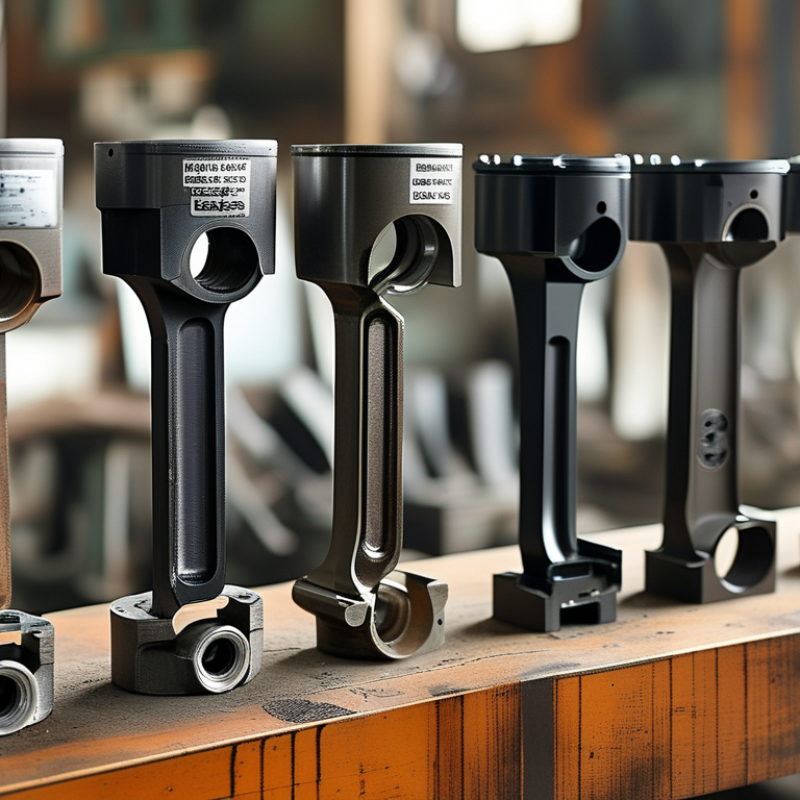
When selecting a cylinder piston rod, it's crucial to grasp its design and functionality. The cylinder piston rod serves as a vital link within hydraulic and pneumatic systems. It converts fluid pressure into mechanical movement. The material used influences durability and performance. Steel offers strength, while lightweight alloys enhance speed and efficiency.
Design considerations are essential. The length of the rod must match the application needs. An improperly sized rod can lead to inefficiencies. Attention to the diameter is equally important. A thicker rod may provide greater stability but can add weight.
Understanding how seals and bearings work with the rod is vital. These components reduce friction and wear. Proper integration can prolong the lifespan of the system. Reflecting on past experiences often reveals common pitfalls. It’s easy to overlook a seemingly minor detail, but this can lead to major failures. Choosing the right cylinder piston rod requires careful thought and reflection.
| Dimension | Value | Material | Application |
|---|---|---|---|
| Diameter | 25 mm | Steel | Hydraulic Cylinders |
| Length | 500 mm | Aluminum | Automotive |
| Weight | 1.5 kg | Carbon Fiber | Aerospace |
| Stroke | 100 mm | Stainless Steel | Industrial |
| End Type | Threaded | Alloy Steel | Construction |
Choosing the right cylinder piston rod requires careful consideration of materials. The material affects both durability and performance. Various metals are commonly used, such as steel and aluminum, each offering unique benefits. Steel is strong and less prone to deformation. Aluminum is lighter but can be less durable in demanding conditions.
When selecting a material, think about the application. High-pressure environments might need robust materials. Lighter materials may work for applications where weight matters. Corrosion resistance is another critical aspect. Stainless steel can resist rust and wear effectively, ensuring a longer lifespan.
Here are some tips: Always evaluate the working environment. Temperature fluctuations can impact material choice. Compatibility with fluids is essential to avoid degradation. Assess the expected load. A mismatch can lead to failure and costly repairs. Finally, look for reputable suppliers. Quality materials will enhance performance and reliability. These factors may seem simple but can have significant implications in the long run.
When selecting a cylinder piston rod, precision and tolerance specifications play a crucial role. The tolerance denotes how much variation is acceptable in the rod's dimensions. A tighter tolerance provides better fit and function, especially in high-precision applications. It can be challenging to find the right balance. A tolerance that is too tight may result in higher production costs and longer lead times. On the other hand, loose tolerances could lead to performance issues.
Assessing your specific application helps in understanding required precision levels. For instance, hydraulic systems often demand stricter tolerances. These rods must withstand high pressures without failure. Even minor deviations can lead to leaks or system malfunctions. It’s wise to consult experienced professionals during this selection process. They can provide insights into industry standards and best practices.
Another important aspect is material selection. Different materials can impact the rod's precision and durability. Steel and aluminum are popular choices, each with unique characteristics. Sometimes, the ideal material may not be the most obvious option. Reflecting on past successes and failures can guide decisions. Remember, even small details matter greatly in maintaining efficiency and functionality.
Choosing the right cylinder piston rod requires careful analysis of load capacity and stroke length. Load capacity is critical for applications involving heavy machinery or hydraulic systems. According to industry reports, a piston rod's load capacity is often rated based on its diameter and material. For instance, stainless steel rods can handle higher loads compared to aluminum ones. Yet, these materials can be subject to fatigue over time, especially in cyclic loading conditions.
Stroke length is equally important. It defines how far the piston can travel within the cylinder. A standard stroke length might range from a few inches to several feet. Selecting the right stroke length ensures optimal performance in various applications. However, choosing too long a stroke may lead to unnecessary complexities and increased wear on components. Conversely, a shorter stroke could limit functionality.
Understanding specific application requirements is essential. For example, in robotic automation, a precise stroke is vital for accuracy. Reports suggest that improper specifications can lead to 20% higher failure rates in hydraulic systems. This highlights the need for thorough analysis when selecting a piston rod. Make sure to assess both load capacity and stroke length meticulously. Such details can impact performance and longevity significantly.
When it comes to maintaining cylinder piston rods, understanding their longevity is crucial. Regular upkeep can prevent costly repairs and enhance performance. Industry studies show that proper maintenance can increase the lifespan of hydraulic systems by up to 30%. Timely inspections for wear and damage are vital. Check for any signs of corrosion or pitting, as these can lead to significant failures.
Tip: Keep a maintenance log to track wear over time. Documenting performance helps identify patterns that could signal potential issues. Consider using a high-quality lubricant to reduce friction and wear. High viscosity oils often slightly outperform standard options in reducing wear rates.
Additionally, keeping the working environment clean is essential. Debris and contaminants can quickly compromise the functionality of piston rods. Research indicates that over 75% of component failures are due to external contamination. Implement regular cleaning schedules to minimize this risk.
Tip: Train staff on best practices for handling components. Proper training can reduce mistakes and enhance overall efficiency. A well-informed team is an asset that directly contributes to the reliability of hydraulic systems.
: It connects hydraulic and pneumatic systems, converting fluid pressure into mechanical movement.
Material affects durability and performance; steel offers strength, while aluminum enhances speed.
An improperly sized rod can lead to inefficiencies and potentially major failures over time.
They reduce friction and wear, helping to prolong the lifespan of the system.
Temperature fluctuations and compatibility with fluids can degrade materials, affecting performance.
Regular inspections for wear, keeping a maintenance log, and applying high-quality lubricants are essential.
Over 75% of failures are due to external contaminants; keeping the environment clean is crucial.
Trained staff can reduce mistakes and enhance efficiency, contributing to the reliability of the system.
Minor oversights can lead to significant functionality issues or failures down the line.
Frequent checks are necessary; timely inspections can identify potential issues early, preventing costly repairs.
When selecting the right Cylinder Piston Rod, it's important to understand its design and functionality to ensure optimal performance in various applications. Key material considerations, such as strength and resistance to wear, play a crucial role in determining the rod's durability. Additionally, precision and tolerance specifications are vital, as they affect the seamless operation of the cylinder, particularly under varying load conditions.
Evaluating load capacity and stroke length is essential for matching the rod to specific application requirements, while regular maintenance practices can significantly enhance the longevity of both the cylinder piston rod and its components. By taking these factors into consideration, one can ensure a reliable and efficient performance of hydraulic or pneumatic systems.
