
Micro Precision Micro Precision

Top Cylinder Base Suppliers for Global Buyers

Time:2026-10-30 Author:Sienna
0%

A Cylinder Base may look like a simple steel component, but its geometry affects stability, fit, corrosion exposure, and assembly. Global buyers should compare more than unit price. They need clear drawings, dimensional tolerances, material records, weld or forming controls, and repeatable inspection results. Small details matter.

The World Steel Association’s World Steel in Figures 2024 reports 1,888.2 million tonnes of crude steel production worldwide in 2023. That scale makes material traceability important: buyers should verify grades and batch documentation rather than assume that a polished sample represents every shipment. The ISO 9809 series provides requirements for seamless steel gas cylinders; buyers should confirm which standards apply to the complete cylinder and its base in their market.

Quality expert W. Edwards Deming wrote, “Quality comes not from inspection, but from improvement of the production process.” Applied to Cylinder Base sourcing, that principle favors suppliers who can explain process controls and provide consistent records—not just a final inspection certificate. A supplier’s sample is useful, but it is not proof of stable production. That distinction is easy to miss.

This guide compares suppliers through practical criteria: manufacturing capability, quality documentation, material traceability, customization, lead times, and export support. It also encourages buyers to ask for evidence, clarify specifications, and review production risks before placing large orders. There is no perfect shortlist; the right choice depends on the cylinder design, operating conditions, and delivery needs.
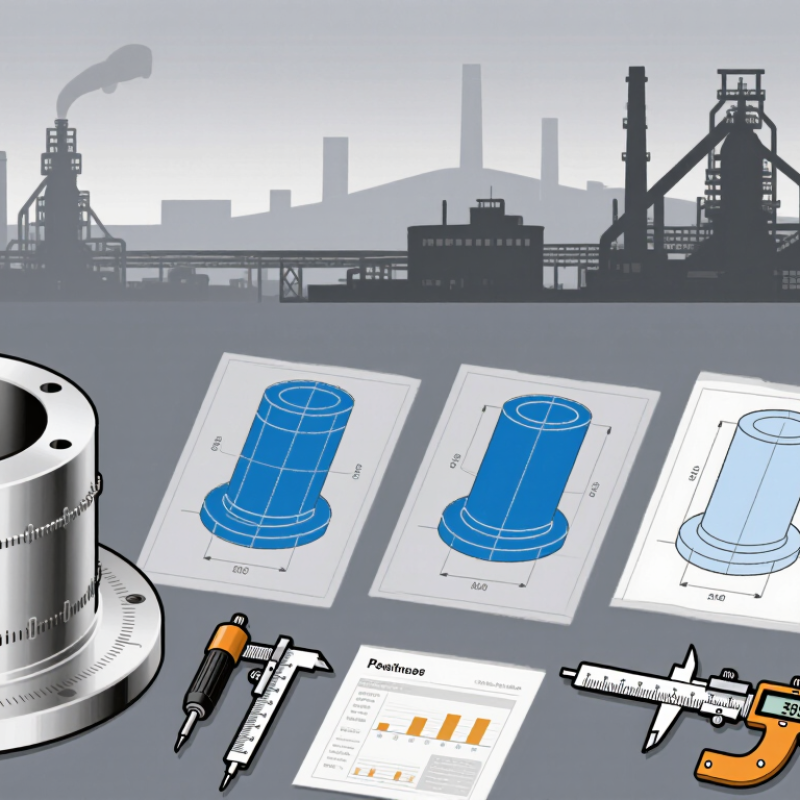
Top Cylinder Base Suppliers for Global Buyers

Cylinder Bases: Types, Materials, and Industrial Applications

A cylinder base closes one end of a cylinder and helps transfer operating forces into its supporting structure. In hydraulic service, it must also withstand pressure and repeated load cycles. Mounting style matters. A flange base bolts directly to a frame, while a foot-mounted base rests on rails or a machine bed. Trunnion mounts allow the cylinder to pivot as the rod moves. Each arrangement changes how force reaches the equipment, so mounting holes and load direction deserve careful review.

Common materials include carbon steel, stainless steel, aluminum, and ductile iron. Carbon steel suits many heavy-duty installations but may need corrosion protection in damp or washdown areas. Stainless steel can resist corrosion, though grade and surface finish still matter. Aluminum reduces weight in some pneumatic and light-duty applications, but it is not a default choice for high loads. Ductile iron can offer useful strength and vibration resistance in industrial machinery. Bases appear on presses, lifting equipment, agricultural machines, and production lines. A small detail is easy to miss: coatings can affect fit around machined faces. Check drawings, pressure ratings, mounting dimensions, and the actual operating environment before choosing a base. A neat specification still cannot replace a fit check.

Cylinder Base Materials: Typical Density

A comparison of common materials used for industrial cylinder bases. Density affects component weight and material selection; actual values vary by alloy and composition.

Typical applications: carbon steel for general-purpose heavy-duty bases, stainless steel for corrosion-resistant environments, cast iron for rigid machine components, and aluminum alloy where lower weight is important. Density values are approximate at room temperature.

Key Criteria for Evaluating Cylinder Base Suppliers

A cylinder base carries mounting loads, pressure forces, and vibration. Evaluate suppliers on more than quoted price. Ask for material certificates, dimensional inspection records, and traceability from raw stock to finished part. For cast or welded bases, review porosity checks and weld procedures. For machined bases, check bore alignment, flatness, and stated tolerances.

Grand View Research’s 2024 hydraulic-cylinder market report estimated the global market at USD 14.2 billion in 2023. That scale makes supply consistency important, but market growth does not prove a supplier’s capability. Request sample inspection data and pressure-test documentation tied to the actual design. A neat certificate alone tells little. Verify its scope, expiry, and issuing body.

Compare production capacity against your forecast, including peak demand and replacement orders. Ask how the supplier controls changes in material, tooling, or subcontracted processes. Check lead times against recent delivery records, not only a sales estimate. A trial order can reveal packaging damage, thread fit, or inconsistent coating thickness. It may also expose gaps in your own specifications. Worth checking.

Leading Global Suppliers and Their Manufacturing Capabilities

Top Cylinder Base Suppliers for Global Buyers

Global cylinder-base suppliers differ in forming capacity, welding control, and inspection depth. Large manufacturers may offer automated press lines, robotic welding, and in-house coating. Smaller specialists can handle custom dimensions and short production runs. Buyers should compare actual process records, not just equipment lists. A smooth sample is useful, but it cannot prove stable batch quality.

Material sourcing matters, too. World Steel Association’s World Steel in Figures 2024 reports 1,892.2 million tonnes of crude steel production worldwide in 2023. That scale shows broad upstream availability, not guaranteed steel quality for a cylinder base. Ask suppliers for material certificates, traceability procedures, and checks on thickness, diameter, and base-to-shell fit. Small deviations can complicate assembly.

Manufacturing capability should include documented weld inspection, dimensional checks, and corrosion-protection controls. Request sample inspection reports and clarify how rejected parts are handled. Confirm that testing matches the cylinder design and destination market. A factory audit can reveal gaps between written procedures and shop-floor practice. No single metric tells the whole story. Lead time claims deserve scrutiny, especially when tooling or coating is outsourced.

Quality Standards, Customization, and Regulatory Compliance

For global buyers, a cylinder base is more than a shaped piece of metal. It must support the intended load, fit the cylinder accurately, and tolerate handling during transport. Ask suppliers how they inspect dimensions, welds, surface finish, and load performance. A clean sample helps, but it proves little by itself. Request inspection records from actual production batches.

Customization should begin with clear drawings and operating conditions. Specify material, base diameter, attachment points, coating, and expected temperature range. Even a small hole-position difference can complicate installation on a production line. Suppliers should confirm tolerances before manufacturing, then document any proposed changes. This step can feel slow. It is often cheaper than correcting a batch after delivery.

Regulatory requirements vary by destination and application, so buyers should verify which standards apply to their equipment. Request material certificates, traceability details, and relevant test reports, then check that documents match the supplied parts. A supplier’s general compliance statement is not enough evidence. Buyers should also review how nonconforming parts are identified and handled. In practice, paperwork can look complete while leaving gaps in batch traceability; that deserves a closer question, not an assumption.

Sourcing, Logistics, and Risk Management for International Buyers

International buyers evaluating cylinder base suppliers should begin with a controlled drawing, not a broad product description. Specify dimensions, material grade, surface finish, and allowable tolerances. Ask for inspection records and material certificates tied to each production batch. A pre-production sample can reveal fit issues before a full order is made. Small samples matter.

Compare suppliers on process capability and communication, not price alone. Request clear answers about tooling, monthly capacity, and subcontracted operations. A video audit can help, but it cannot replace independent inspection when the order is critical. That gap is easy to underestimate.

Logistics planning should start before production ends. Confirm packaging prevents scratches and moisture damage, then check pallet sizes against container plans. Agree on shipping terms, document responsibilities, and realistic lead times in writing. Build buffer time for port congestion or customs delays; the exact delay is hard to predict. Track milestones from raw-material approval through dispatch, and keep inspection photos with shipment records.

Risk controls work best when they are practical. Split an initial order into a pilot batch and a larger follow-up, if costs allow. Define what happens when parts fail inspection, including replacement timing and freight responsibility. Keep a second qualified source for continuity, but avoid switching specifications casually. Even a detailed checklist misses things. Review supplier performance after delivery, while the evidence is still fresh.

FAQS

What does a cylinder base do?

It closes one end of a cylinder and transfers operating forces to the supporting structure. In hydraulic systems, it must handle pressure and repeated loads.

How do mounting styles differ?

Flange bases bolt to a frame, while foot mounts rest on rails or a machine bed. Trunnion mounts let the cylinder pivot as the rod moves. Load direction matters.

Which materials are commonly used?

Carbon steel suits many heavy-duty uses but may need corrosion protection. Stainless steel resists corrosion, while aluminum can reduce weight in lighter applications. Ductile iron can help absorb vibration.

Where are cylinder bases used?

They appear in presses, lifting equipment, agricultural machines, and production lines. The base must match the equipment’s load and mounting points.

What should buyers check before choosing a base?

Review pressure ratings, drawings, mounting dimensions, and the operating environment. Check machined faces, too, because coatings can affect fit. Fit still matters.

How can buyers assess a supplier’s quality controls?

Request material certificates, traceability details, weld inspection records, and dimensional checks. Ask how rejected parts are identified and handled. A polished sample proves little.

What details belong in a customization request?

Provide drawings, material, base diameter, attachment points, coating, and expected temperature range. Confirm tolerances before production. Small hole-position differences can delay installation.

Are a sample and a compliance statement enough?

Not usually. Ask for reports from actual production batches and verify that documents match the supplied parts. Paperwork can still leave traceability gaps.

What should buyers know about lead times?

Check whether tooling or coating is outsourced, and ask for realistic schedules. A promised date may shift. Production details deserve a second look.

Conclusion

This article explores the role of the Cylinder Base in industrial equipment, including common designs, material options, and applications across different operating environments. It explains how buyers can assess suppliers by comparing manufacturing expertise, production capacity, technical support, product consistency, and experience with custom requirements. These considerations help ensure that a selected supplier can provide components suited to the equipment’s intended use and performance needs.

The article also reviews quality assurance, customization, and relevant industry standards, emphasizing the value of clear specifications and documented inspection processes. For international sourcing, it considers lead times, packaging, shipping arrangements, communication, and potential supply-chain disruptions. By evaluating these factors together, global buyers can make informed sourcing decisions, manage procurement risks, and build dependable supplier relationships.

Sienna

Sienna

Sienna is a skilled marketing professional with a deep expertise in our company’s core products and services. With a passion for innovation and detail, she plays a pivotal role in crafting insightful blog posts that not only highlight the unique features of our offerings but also provide valuable......