
Micro Precision Micro Precision

2026 How to Choose a Grapple Bucket Cylinder?

Time:2026-09-22 Author:Mason
0%

Choosing the right Grapple Bucket Cylinder in 2026 requires more than matching bore size and stroke length. The cylinder must suit the loader’s hydraulic pressure, grapple weight, mounting geometry, and daily working conditions. A unit that looks powerful on paper may still bend, leak, or move slowly under real loads.

Hydraulic-cylinder designer Andrew Parr emphasizes a practical principle: “The best hydraulic design balances performance, reliability, and serviceability.” That balance matters when selecting a Grapple Bucket Cylinder for timber, scrap, stones, or wet soil. Check the operating pressure first. Then compare the retracted and extended lengths. A difference of only a few millimeters can limit the grapple’s opening angle or overload the pins.

Look closely at the rod surface. Chrome damage becomes obvious when dust sticks to fresh oil. Inspect the gland, seals, clevis, and welded brackets. These details often decide service life.

Do not ignore cycle speed.

A larger bore can create more clamping force, but it may reduce operating speed. A smaller cylinder may cycle quickly, yet stall under heavy logs. The correct choice depends on usable force, not impressive specifications. In practice, some buyers focus too heavily on price. That is understandable, but it can become an expensive mistake.

This guide examines bore diameter, rod strength, stroke, seal quality, mounting fit, hydraulic compatibility, and maintenance access. It also considers an uncomfortable point: even a premium Grapple Bucket Cylinder can fail when the machine is poorly matched or regularly overloaded. Careful selection cannot remove every risk. It can, however, make failures less frequent, easier to diagnose, and less disruptive.
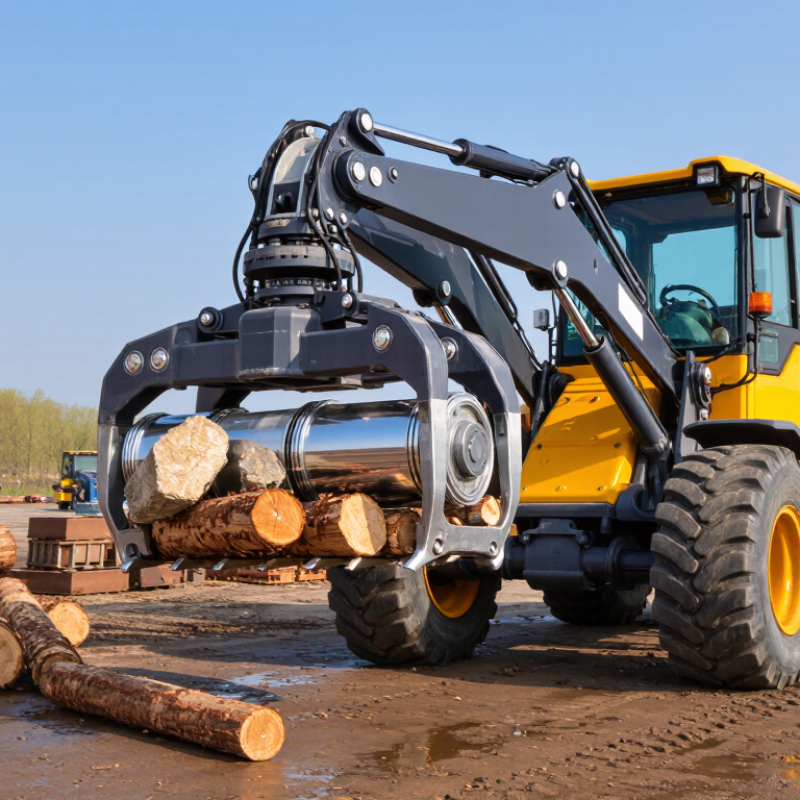
2026 How to Choose a Grapple Bucket Cylinder?

Grapple Bucket Cylinder Basics and Operating Principles

A grapple bucket cylinder converts hydraulic pressure into controlled clamping force. Pump flow enters one side of the cylinder, pushing the piston and extending the rod. Retracting the rod reverses the flow. Force depends on pressure and piston area, while movement speed depends on flow rate and effective area.

The basic relationship F = P × A Simple, but easy to misunderstand.

When choosing a cylinder, match bore diameter, stroke length, retracted length, pin diameter, mounting style, working pressure, and rod strength.

A longer stroke may improve jaw opening, yet it can increase bending risk. A larger bore produces more force, but also demands stronger mounts and more hydraulic capacity.

Check the rod for scratches after dusty work. Small damage can destroy seals quickly. ISO 4413 stresses controlled hydraulic energy and safe system design.

The 2023 U.S. Bureau of Labor Statistics Census of Fatal Occupational Injuries also shows transportation and material-moving occupations represented about one-quarter of fatal workplace injuries. That makes load control more than a performance issue.

Never rely on hydraulic pressure alone to hold suspended material. Add mechanical support during inspection. Field judgment is useful, but it can be wrong; verify pressure, pin alignment, and cycle speed under real operating conditions.

Key Specifications for Matching a Cylinder to Your Grapple Bucket

Choosing a grapple bucket cylinder starts with matching specifications, not guessing by appearance.

The 2024 MarketsandMarkets hydraulic cylinder report projects the global market to grow from about USD 14 billion in 2023 to nearly USD 19 billion by 2028. That growth reflects rising demand for reliable construction attachments.

For a grapple bucket, calculate required force using bore area multiplied by working pressure. A larger bore increases force, but it also adds weight and may slow cycle time.

Check both extension and retraction force.

Measure the existing cylinder carefully. Confirm bore diameter, rod diameter, stroke length, pin-to-pin dimensions, port size, and mounting width.

The cylinder must clear the bucket frame at full curl and full opening. ISO 4413 emphasizes controlled hydraulic energy, secure connections, and protection against unexpected movement. Pressure ratings should match the machine circuit, with a suitable safety margin.

A higher rating is not automatically safer. It can hide poor hose selection or weak pins.

I have seen mismatched cylinders bend rods because alignment was treated as a minor detail.

Tips:

  • Compare working pressure, not only maximum pressure.
  • Inspect pin wear first.
  • Allow side-load movement where the linkage requires it.
  • The 2023 NFPA State of the Industry report shows continued demand for mobile hydraulic equipment, yet field conditions remain uneven.
  • Dirt, shock loading, and cold oil can change performance.
  • Recheck the stroke after installation. A small measurement error can become a costly stoppage.

How to Measure Mounting Dimensions and Hydraulic Requirements

Choosing a grapple bucket cylinder starts with accurate mounting measurements.

Measure the pin-to-pin distance with the cylinder fully closed and fully extended. Record both values. Measure pin diameter, lug width, boss spacing, and the available side clearance. A difference of only 3–5 mm can cause binding during operation. Check the bucket linkage at several angles, not just when parked.

Hydraulic sizing requires more than matching bore diameter.

Cylinder force equals pressure multiplied by piston area. For retracting force, subtract the rod area. Flow controls cylinder speed, so compare the cylinder’s required flow with the machine’s pump output. Also verify hose size, relief-valve pressure, port thread, and rod strength.

ISO 4413:2010 emphasizes controlled pressure, secure connections, and protection against unexpected movement. A 2024 hydraulic-cylinder market report from Grand View Research forecasts approximately 4.7% annual growth through 2030, reflecting wider equipment demand. Yet market growth does not replace machine-specific calculations.

Tips:

Use calipers, not a ruler. Measure center-to-center. Confirm the load chart. Leave clearance around the rod and fittings. I have seen installers overlook hose bend radius. That mistake appears small, but it can shorten service life. Recheck the measurements after welding or repainting, because added material can change lug width and pin alignment. Record pressure and flow from the machine manual, not memory.

Comparing Cylinder Materials, Seals, and Construction Quality

2026 How to Choose a Grapple Bucket Cylinder?

A grapple bucket cylinder faces shock loads, soil, moisture, and repeated extension cycles. Start with the barrel material. High-strength steel offers useful durability without excessive weight. The rod should resist bending and surface wear. Chrome-plated or induction-hardened rods usually perform well, but coating quality matters more than appearance. A bright rod can still hide poor hardening.

Seals deserve equal attention. Polyurethane wipers help remove packed dirt from the rod. Nitrile seals suit many general applications, while PTFE-based seals can reduce friction and handle demanding temperatures. However, no seal survives a damaged rod for long. Look for clean grooves, consistent machining, and a properly supported gland. Strong welds also matter. Uneven beads may indicate weak process control, although appearance alone cannot prove failure. In field inspections, I check pin alignment and side play before blaming the cylinder. My inspection habits are not perfect, and I have sometimes focused too much on seal wear.

Tips: Ask for material specifications, seal temperature ranges, and pressure-test records. Check the bore finish and rod straightness. Measure pin movement after several working cycles. A cylinder that feels smooth unloaded may react differently under a full bucket. Avoid choosing only by price; replacement downtime often costs more than a stronger cylinder.

Installation, Safety Checks, and Long-Term Maintenance Considerations

Choosing a grapple bucket cylinder starts with the attachment’s real working demands. Measure required stroke, bore, rod diameter, pin spacing, and maximum operating pressure. A cylinder that fits the mount may still produce weak clamping force. Check the bucket’s weight and the machine’s hydraulic flow before ordering.

Installation should begin with the attachment resting securely and hydraulic pressure fully released. Never rely on the control lever alone. Support the grapple with rated blocks, align the pins carefully, and keep fingers away from moving joints. Route hoses away from teeth, sharp edges, and pinch points. After installation, tighten fittings to the specified torque, then test movement slowly at low engine speed.

Safety checks need practical attention. Inspect the rod for scratches, bending, or rust around the seal area. Look for fresh oil near fittings and listen for uneven movement. A cylinder that drifts under load may indicate internal wear, not just a loose connection. Stop testing if the grapple jerks or loses pressure.

Long-term maintenance is simple, but easy to neglect. Clean dirt from the exposed rod before retraction, grease pivot pins regularly, and inspect retaining clips after heavy use. Replace damaged hoses promptly. Use the correct hydraulic fluid and service intervals listed for the equipment. A pressure gauge can reveal gradual performance loss earlier than visual checks. Field conditions are rarely perfect. A clean installation can still fail when debris enters an uncapped hose, so cover every open connection during repairs.

FAQS

What mounting measurements should I take before choosing a grapple bucket cylinder?

Measure pin-to-pin distance when fully closed and fully extended. Record pin diameter, lug width, boss spacing, and side clearance. Use calipers. Small errors can cause binding.

Why must I check the linkage at several angles?

A cylinder may fit while parked but bind during operation. Move the linkage through its working range. Check clearance around pins, fittings, and the rod.

How do I match hydraulic force and speed?

Cylinder force depends on hydraulic pressure and piston area. Retracting force is lower because the rod occupies part of the area. Flow controls speed, not clamping force alone. This distinction is easy to miss.

Which hydraulic details should I verify with the machine?

Confirm pump flow, maximum pressure, hose size, port threads, and relief-valve settings. Use the machine manual, not memory. Also check the load chart before ordering.

What cylinder materials and rod features matter most?

High-strength steel can provide durability without excessive weight. The rod should resist bending, scratches, and surface wear. A bright finish proves little. Check straightness and hardening information.

How should I evaluate seals and construction quality?

Dirt-resistant wipers help protect the rod during dusty work. Choose seals for the expected temperature and fluid conditions. Inspect grooves, machining, gland support, and weld consistency. I would not judge quality by appearance alone.

What safety steps are required during cylinder installation?

Rest the attachment securely and release hydraulic pressure completely. Do not trust the control lever alone. Use rated blocks, align pins carefully, and keep hands away from joints. Route hoses away from teeth and pinch points.

How can I maintain the cylinder after installation?

Clean the exposed rod before retracting it. Grease pivot pins and inspect retaining clips after heavy use. Replace damaged hoses quickly. Cover every open connection during repairs.

What signs indicate cylinder trouble during operation?

Watch for oil near fittings, uneven movement, drifting under load, or sudden pressure loss. Scratches, bending, and rust near the seal area also matter. Stop if the grapple jerks. I have sometimes blamed seals too quickly.

Conclusion

Choosing the right Grapple Bucket Cylinder is essential for safe, efficient, and reliable bucket operation. This guide explains how the cylinder works, including hydraulic pressure, piston movement, and the role of mounting points in controlling grapple opening and closing. It also covers the key specifications to compare, such as bore diameter, stroke length, operating pressure, retracted and extended dimensions, load capacity, and compatibility with the machine’s hydraulic system. Accurate measurement of pin size, center-to-center spacing, hose connections, and available clearance helps ensure a proper fit.

The article also examines cylinder materials, rod finishes, seal quality, and construction features that affect durability in demanding working environments. Clear guidance is provided for installation, hydraulic line inspection, air removal, and safety checks before operation. Finally, routine maintenance practices—including checking for leaks, monitoring pin wear, protecting the rod, and replacing damaged seals—are outlined to extend service life and maintain consistent performance.

Mason

Mason

Mason is a seasoned marketing professional with a deep expertise in the company's offerings and a passion for driving brand awareness. With a strong background in digital marketing strategies, he has an innate ability to connect with diverse audiences and effectively communicate product benefits.......