
Micro Precision Micro Precision

Excavator Cylinder Maintenance Tips for Better Performance

Time:2026-08-08 Author:Liam
0%

Maintaining the excavator cylinder is crucial for optimal performance. These hydraulic cylinders are vital components in an excavator’s operation. Regular maintenance can enhance their lifespan and efficiency. Experience shows that neglecting them often leads to costly repairs.

Visualize this: an excavator struggling to dig due to a malfunctioning cylinder. It’s frustrating and costly. Thus, understanding the basic maintenance practices can save time and money. Oil leaks, contamination, and wear are common issues. Addressing them early prevents larger problems down the line.

Proper maintenance involves inspection and cleaning. Any signs of wear or damage should be noted. Ignoring these can lead to breakdowns. The goal is to keep the excavator cylinder in peak condition. With diligence and care, you can ensure it performs effectively on every job.
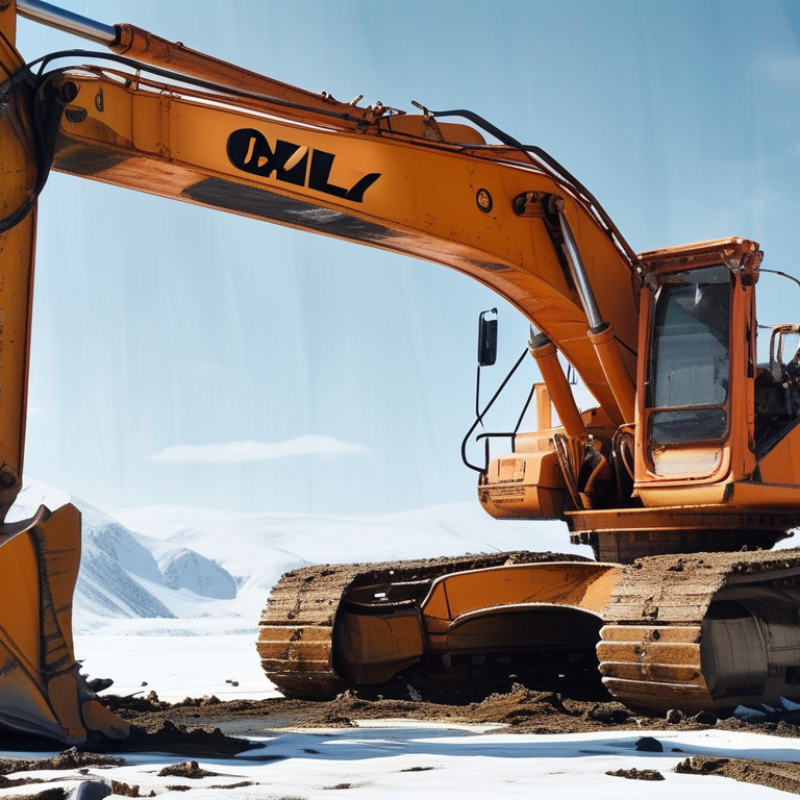
Excavator Cylinder Maintenance Tips for Better Performance

Understanding the Importance of Excavator Cylinder Maintenance

Excavator cylinders play a crucial role in the overall performance of heavy machinery. Regular maintenance of these components directly affects their efficiency and longevity. Neglecting proper care can lead to costly repairs and unexpected downtime. Operators should understand how vital these cylinders are for seamless operations.

Over time, dirt and debris can accumulate in the cylinder, increasing wear and tear. Ensuring that seals and fittings are in optimal condition is essential. Small leaks might go unnoticed, but they can escalate into significant issues. Regularly check for signs of wear. If you notice any, it may be time for a thorough inspection.

Understanding the importance of maintenance also means learning from past mistakes. Many operators have faced breakdowns due to a lack of routine checks. This often leads to frustration and lost productivity. By embracing a proactive maintenance strategy, operators can enhance performance and minimize risks. Consistent care not only prolongs the life of the excavator but also boosts overall job site efficiency.

Excavator Cylinder Maintenance Tips for Better Performance

Maintenance Tip Frequency Key Benefits Tools Required
Inspect Seals and Gaskets Monthly Prevents leaks and enhances efficiency Wrench set, inspection mirror
Check Hydraulic Fluid Levels Weekly Maintains optimal operation pressure Fluid gauge, funnel
Clean Cylinder Rods After each use Reduces risk of contamination Soft cloth, cleaning solution
Lubricate Moving Parts Every 50 hours of operation Enhances mobility and reduces wear Grease gun, lubricant
Inspect for Structural Damage Quarterly Ensures safety and structural integrity Torque wrench, visual inspection tools

Common Issues with Excavator Cylinders and Their Causes

Excavator cylinders are essential for effective machine performance. Common issues can severely impact productivity and lead to costly repairs. One frequent problem is seal failure. This often stems from wear and tear or contamination. Inspecting seals regularly can prevent leaks.

Another common issue is cylinder rod damage. Dirt, debris, and improper handling can scratch the rod, causing hydraulic fluid to leak. Ensure a clean worksite and proper handling techniques to mitigate these risks. Regularly check for signs of corrosion, as this can compromise the cylinder's integrity.

To maintain optimal performance, consider these tips. Always keep the hydraulic fluid at the correct level and replace it as needed. Regularly clean the cylinder rods with a soft cloth to remove dirt. Inspect for signs of wear, such as cracks or dents. Taking action early can save time and money on major repairs.

Excavator Cylinder Maintenance: Common Issues and Their Frequencies

Step-by-Step Guide to Inspecting Excavator Cylinders

Inspecting excavator cylinders is crucial for optimal performance. Begin by checking for visible damage, such as dents or cracks. Look at the cylinder rod for any signs of wear. Even small scratches can lead to bigger problems. Keep a close eye on any leaking fluids. Puddles around the cylinder can signal an impending failure.

Next, analyze the seals. These are vital for maintaining pressure. Examine the seals for signs of aging or degradation. Replace any that appear cracked or worn. A simple seal replacement can prolong the life of the cylinder significantly. Ensure that the mounting hardware is secure. Loose bolts can exacerbate wear and lead to catastrophic failure.

Finally, assess the hydraulic fluid. Clean fluid is essential for proper operation. Check for contamination, which could lead to decreased performance. Fluid levels should be within the specified range. Consider creating a maintenance log to track your inspections over time. Regular checks and prompt action can prevent minor issues from escalating. Neglecting these tasks may seem harmless now, but they can lead to costly repairs later. Keep your excavator cylinders in top shape for better productivity and safety.

Best Practices for Regular Maintenance and Cleaning

Regular maintenance of excavator cylinders is crucial for optimal performance. Ensure you inspect the cylinders for any signs of wear and tear regularly. Look for leaks and listen for unusual noises during operation. These could indicate potential issues that need immediate attention. Sometimes, minor problems can escalate quickly if neglected.

Cleaning is a vital component of maintenance. Dirt and debris can cause damage over time. Use a soft brush to remove grime from the cylinder surfaces. Avoid abrasive materials which can scratch the cylinders. Regularly checking the seals is equally important. They are your first line of defense against dirt and hydraulic fluid leaks. Address any issues with seals promptly to prevent further damage.

Document each maintenance session, noting any concerns or observations. This log can help track patterns in performance issues. Regular maintenance is not just about fixing problems. It's about preventing them. Observing changes over time can offer critical insights. Always be prepared to adapt your maintenance routine based on your findings.

Choosing the Right Replacement Parts for Excavator Cylinders

When maintaining excavator cylinders, choosing the right replacement parts is crucial for optimal performance. Reports indicate that approximately 70% of hydraulic failures stem from inadequate parts. Proper selection can significantly enhance the lifespan of your machinery.

Consider the material of the replacement components. High-grade steel and composite materials provide durability and resistance to wear. A study in the Journal of Hydraulic Engineering suggests that using genuine components can lower the risk of failure by up to 30%. Additionally, verify that the specifications match the original parts to ensure perfect compatibility.

It's easy to overlook minor details such as seals and gaskets. These components are essential for preventing leaks. A leak can lead to operation inefficiencies, wasting up to 10% of hydraulic power. Regularly inspect these parts for wear and tear. Ignoring them can result in more extensive and costly repairs. Remember, maintenance is not just about part replacement; it's about strategic choices that drive performance.

FAQS

: What are common issues with excavator cylinders?

: Common issues include seal failure and cylinder rod damage, impacting machine productivity.

How can seal failure occur?

Seal failure often results from wear and tear or contamination. Regular inspections help prevent leaks.

What causes cylinder rod damage?

Dirt, debris, and improper handling can scratch the rod, leading to hydraulic fluid leakage.

How often should I inspect excavator cylinders?

Regular inspections are crucial. Look for visible damage, leaks, or unusual noises during operation.

What should I do if I find leaks?

Puddles around the cylinder need immediate attention. Addressing leaks early can prevent costly repairs.

How can I maintain hydraulic fluid?

Always keep the hydraulic fluid at the correct level and check for cleanliness. Replace it when needed.

Why is cleaning important for excavator cylinders?

Cleaning removes dirt and debris that can cause damage over time. Use a soft brush for optimal results.

How do I assess cylinder seals?

Check seals for signs of aging or damage. Replace any that appear cracked or worn to prolong cylinder life.

What should be included in a maintenance log?

Document each maintenance session, noting concerns or observations. This helps track performance problems over time.

What if I neglect regular maintenance?

Neglecting maintenance may seem harmless now, but it can lead to significant issues and costly repairs later.

Conclusion

Proper maintenance of the Excavator Cylinder is crucial for ensuring optimal performance and longevity of the machinery. Understanding the common issues that can arise, such as leaks or reduced efficiency, is essential for operators. The article offers a detailed, step-by-step guide to inspecting excavator cylinders, which includes checking for wear and tear and identifying any potential problems early on.

Additionally, best practices for regular maintenance and cleaning are outlined to prevent issues from developing. It is also vital to choose the right replacement parts when repairs are necessary, ensuring compatibility and functionality. By following these maintenance tips, operators can significantly enhance the performance and reliability of their excavator cylinders, ultimately leading to more effective and efficient construction work.

Liam

Liam

Liam is a dedicated marketing professional with a profound expertise in the industry, where he excels at highlighting the unique advantages of our core products. With a keen understanding of market trends and consumer needs, Liam frequently updates our company’s professional blog, providing......