Micro Precision Micro Precision

How to Choose the Right Forklift Cylinder for Your Needs?

Time:2026-05-07 Author:Amelia
0%

Choosing the right Forklift Cylinder is crucial for efficient operations. A forklift cylinder is a key component that affects lifting capacity and stability. Understanding your specific needs ensures you make an informed decision.

Consider your operational environment. Is it indoor or outdoor? Do you need a heavy-duty cylinder or a lighter one? Each scenario requires different specifications. Quality plays a significant role in performance and longevity. Not all cylinders meet the necessary safety standards. You should only choose reliable brands backed by experienced professionals.

Selecting the right forklift cylinder can be challenging. Many users overlook the importance of proper specifications. This choice impacts not only productivity but also worker safety. Always seek expert opinions and practical insights. Be cautious of misleading information in the market. In the end, making the right choice will enhance efficiency. It will also lead to potential cost savings and improved operational reliability.
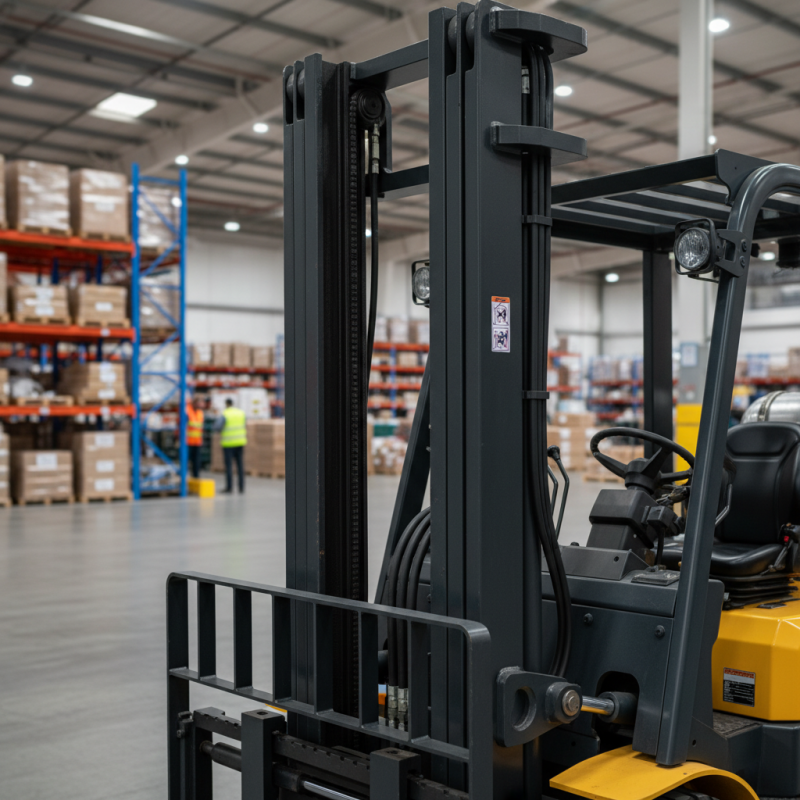
How to Choose the Right Forklift Cylinder for Your Needs?

Understanding Forklift Cylinder Types and Their Specifications

When selecting a forklift cylinder, it's crucial to understand the different types available. Cylinders can vary in size, capacity, and function. For instance, some handle light loads, while others are heavy-duty. If your operation involves various weight classes, you may need multiple types. Knowing the specifications of each cylinder type helps ensure you meet your operational requirements.

Hydraulic fluid capacity is another vital specification. Diverse cylinders operate at different pressure levels. You want to match the cylinder's pressure rating with your forklift needs. Mismatching can lead to inefficient performance or damage. Always double-check these ratings before purchasing. Consider the environment too. Some cylinders are better suited for outdoor use while others excel indoors. Assessing both your working conditions and load types can refine your choices.

It’s easy to overlook cylinder maintenance, yet it plays a key role in performance. Neglecting this can lead to safety risks or costly downtime. Regular inspections help identify issues early, ensuring cylinders work efficiently. Remember that even minor flaws can affect your overall operation. A well-chosen and maintained cylinder can make a significant difference in your productivity and safety.

Evaluating Load Capacity Requirements for Forklift Cylinders

When selecting a forklift cylinder, it is crucial to evaluate the load capacity requirements. The right cylinder should match the specific tasks and weights handled in your operations. A cylinder with insufficient load capacity can lead to operational failures. This may create safety risks and damage the equipment.

Understanding your specific load needs is essential. Begin by assessing the maximum weight you typically lift. Think about the heaviest items and their dimensions. Consider frequent lifting patterns during daily operations. A detailed load analysis can help identify the right capacity. Ignoring these factors might lead to poor performance and unforeseen costs.

Another important aspect is the working environment. Is the cylinder used indoors or outdoors? Is it exposed to extreme temperatures? These factors impact the overall performance and lifespan of the cylinder. A mismatch in these considerations might result in the need for repairs or premature replacements. Evaluating real-life scenarios can help prevent misjudgments in load capacity needs. Failing to acknowledge these details can lead to significant project delays and increased operational risks.

The Importance of Cylinder Material: Steel vs. Aluminum

When selecting a forklift cylinder, material choice plays a crucial role. Steel and aluminum are the main options available. Steel is often favored for its durability and strength. It can withstand heavy loads and harsh conditions. This makes it ideal for outdoor applications or environments with rigorous demands. However, steel is heavier, which can affect the overall maneuverability of the forklift.

On the other hand, aluminum offers advantages in weight reduction. It is significantly lighter than steel, enhancing the forklift’s efficiency. This can lead to lower fuel consumption and faster operation. However, aluminum may not handle extreme stresses as well as steel does. This can lead to potential issues in high-load scenarios. Operators should assess their specific needs carefully.

Understanding these materials deeply can lead to smarter choices. Consider your operational environment. Are you working with heavy materials consistently? Steel may be the better option then. If speed and efficiency are your priorities, aluminum could work well. Reflecting on these factors can reveal more about your operational requirements.

Each material has its strengths and weaknesses. Choose wisely based on real-world applications.

Assessing Compatibility with Forklift Models and Brands

Choosing the right forklift cylinder can be challenging. It's crucial to assess compatibility with your specific forklift model and brand. Not all cylinders fit every forklift. Therefore, researching your equipment is essential. Check the specifications for your model. Verify the dimensions, pressure ratings, and connection types.

Tips: Always consult the operator’s manual. It provides critical details about compatible components. If you have any doubts, reach out to experts. They can help navigate your options. Compatibility issues can lead to reduced performance and safety risks.

Consider the type of work you’ll be doing. Heavy-duty tasks demand more robust cylinders. Reflect on the conditions in which your forklift operates. Harsh environments may require specialized features. Ensuring proper fit can enhance efficiency and longevity. Assessing these factors will improve your operational experience.

Maintenance Guidelines for Optimal Forklift Cylinder Performance

Maintaining your forklift cylinder is crucial for optimal performance. Regular inspections help identify potential issues before they become significant problems. Look for signs of wear and tear, such as leaks or corrosion. Any irregularity should be addressed promptly. Ignoring these can lead to costly repairs and downtime.

Tips: Always keep your cylinder clean. Dirt can cause premature wear. Use appropriate cleaning agents that do not damage the cylinder's surfaces.

Lubrication is vital for ensuring smooth operation. Check oil levels and apply lubricant as specified by the manufacturer. Insufficient lubrication can lead to friction, which causes wear. If you notice changes in operation, like noise or sluggishness, inspect the lubrication system.

Tips: Maintain a log of maintenance activities. This helps in pinpointing recurring issues and trends. Regularly update it to reflect improvements or concerns.

Monitoring seals and fittings is equally important. They prevent fluid leaks and ensure consistent pressure. Replace any damaged seals immediately. Catching these issues early can save time and money. Make adjustments as necessary to ensure everything operates smoothly.

How to Choose the Right Forklift Cylinder for Your Needs? - Maintenance Guidelines for Optimal Forklift Cylinder Performance

Cylinder Type Load Capacity (lbs) Cylinder Diameter (inches) Operating Pressure (psi) Typical Applications Maintenance Frequency
Standard Cylinder 3000 4 2000 Warehousing, Light Manufacturing Every 300 hours
Heavy-Duty Cylinder 6000 6 3000 Construction, Heavy Manufacturing Every 500 hours
Compact Cylinder 2000 3 1500 Narrow Aisle Operations, Small Spaces Every 200 hours
High-Pressure Cylinder 5000 5 3500 Heavy Load Lifting, Industrial Applications Every 400 hours

FAQS

: How can I choose the right forklift cylinder?

: Assess compatibility with your forklift model. Check specifications carefully, especially dimensions and pressure ratings.

What should I do if I’m unsure about cylinder compatibility?

Consult the operator’s manual for details. If still in doubt, seek advice from experienced professionals.

Why is regular maintenance important for forklift cylinders?

Regular maintenance prevents significant problems. Identifying issues early can save you from costly repairs and downtime.

What signs indicate a cylinder may need attention?

Look for leaks, corrosion, or unusual noises during operation. These can indicate wear and require prompt action.

How can I keep my forklift cylinder clean?

Use suitable cleaning agents and avoid harsh chemicals. Keeping it clean reduces premature wear and improves lifespan.

Is lubrication important for forklift cylinder performance?

Yes, proper lubrication ensures smooth operation. Check oil levels regularly and apply lubricant as recommended.

What should I do if my forklift operates sluggishly?

Inspect the lubrication system for issues. Changes in operation often signal a need for immediate inspection.

How can I monitor the condition of seals and fittings?

Regularly examine seals for damage and replace any that show signs of wear. This helps maintain consistent pressure.

What can happen if I ignore maintenance?

Ignoring maintenance can lead to serious issues, including breakdowns and extended downtime. Reflect on these consequences.

How should I document maintenance activities?

Keep a log of all maintenance tasks. This helps identify trends and recurring issues, aiding future maintenance efforts.

Conclusion

Choosing the right Forklift Cylinder is essential for ensuring optimal performance and safety in material handling operations. The first step in this process is to understand the different types of Forklift Cylinders available and their specifications, which can impact load capacity and operational efficiency. Evaluating your load capacity requirements is crucial, as underestimating these needs can lead to equipment failure.

Furthermore, the material of the Forklift Cylinder, whether steel or aluminum, plays a significant role in its durability and weight. It’s also necessary to assess compatibility with various forklift models to ensure seamless integration. Lastly, following maintenance guidelines is key to extending the lifespan of your Forklift Cylinder and enhancing its performance, ultimately contributing to a more efficient operation.

Amelia

Amelia

Amelia is a seasoned marketing professional with a wealth of expertise in our company’s core offerings. With an unwavering passion for driving growth and innovation, she plays a pivotal role in shaping our marketing strategies and enhancing brand visibility. A key aspect of her responsibilities......