
Micro Precision Micro Precision

How to Choose the Right Cylinder Head for Your Engine?

Time:2026-06-10 Author:Sienna
0%

Choosing the right cylinder head for your engine can significantly impact performance. John Doe, a renowned expert in engine mechanics, once stated, "The cylinder head is where power begins." This statement emphasizes the cylinder head's role in maximizing an engine's efficiency and output.

A quality cylinder head can enhance airflow and improve combustion. Factors such as material, design, and compatibility are crucial. For example, aluminum heads are lightweight, while cast iron provides durability. Understanding these differences can lead to better performance.

However, selecting a cylinder head isn’t always straightforward. Many enthusiasts focus too much on brand names. Others may overlook critical specifications like compression ratios. These choices can lead to performance issues. Reflecting on these factors is essential for making informed decisions. A balanced approach, considering both performance and practicality, is vital.
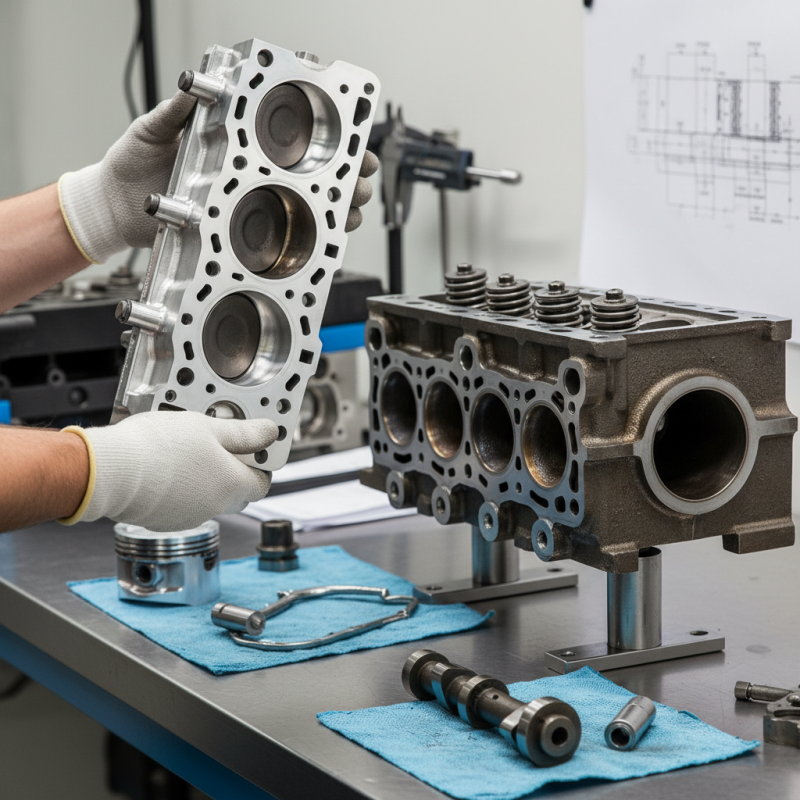
How to Choose the Right Cylinder Head for Your Engine?

Understanding Engine Types and Their Requirements

Understanding engine types is crucial when selecting the right cylinder head. Each engine has unique requirements that influence performance. For instance, small-block engines often benefit from high-flow heads. These heads maximize air intake and increase power output. On the other hand, larger engines may require more robust designs to handle added stress. The material of the cylinder head, such as aluminum or cast iron, affects weight and heat dissipation.

Consider the engine's intended use. Racing engines demand lightweight, high-performance heads. In contrast, street engines prioritize durability and reliability. Some cylinder heads offer versatility, suitable for various applications. However, it's essential to recognize that not all heads will work with every engine setup.

Proper fitting is also vital. Mismatched components can lead to poor performance or even engine damage. Therefore, researching compatibility is necessary. Many enthusiasts find this part challenging. Engaging with communities or experts can provide valuable insights. Ultimately, a well-chosen cylinder head enhances engine efficiency and longevity, reflecting the importance of understanding each engine type's specifics.

How to Choose the Right Cylinder Head for Your Engine? - Understanding Engine Types and Their Requirements

Engine Type Cylinder Head Material Valve Configuration Performance Requirement Cooling Method
V8 Engine Aluminum OHV High Performance Liquid Cooling
Inline 4 Engine Cast Iron DOHC Moderate Performance Air Cooling
Boxer Engine Aluminum OHV Balanced Performance Liquid Cooling
V6 Engine Aluminum DOHC Performance Tuning Liquid Cooling
Inline 6 Engine Cast Iron SOHC Standard Performance Liquid Cooling

Identifying the Desired Performance Characteristics

Choosing the right cylinder head is crucial for engine performance. To identify the desired performance characteristics, first consider the engine's intended use. Will it be for daily driving, racing, or off-road adventures? Each application has unique needs. A high-performance cylinder head may provide better airflow. This results in increased power and efficiency.

Next, evaluate the engine specifications. Factors like displacement and camshaft type play significant roles. A larger engine may benefit from a head designed for more airflow. Additionally, if the camshaft has a high lift, a compatible cylinder head is necessary. This ensures optimal performance and reduces potential issues.

Don’t forget to consider materials. Aluminum and cast iron have different properties. Aluminum is lighter but may sacrifice durability in extreme conditions. Weigh the pros and cons. This will guide your decision. Keep in mind, you may need to revisit your choice later. Performance can change as the engine ages or as tuning evolves.

Evaluating Cylinder Head Materials and Designs

Choosing the right cylinder head for your engine requires careful consideration of materials and designs. Different materials can affect performance, heat resistance, and weight. Common options include aluminum and iron. Aluminum is lightweight and provides excellent heat dissipation, which improves performance. However, it may not be as durable as iron in high-stress situations.

When evaluating designs, airflow is crucial. Bowl shapes, port sizes, and angles can significantly impact engine efficiency. A well-designed head improves combustion and horsepower. Too often, enthusiasts overlook the importance of these factors. A head that looks good may not always perform well.

The manufacturing process also matters. CNC-machined heads each have unique benefits. Cast heads are often more affordable but may lack precision. On the other hand, CNC machining offers better fitment and performance. However, it might come with a higher price tag. Balancing cost against benefits is essential. Ask yourself how much you’re willing to invest in performance.

Considering Compatibility with Existing Engine Components

Choosing the right cylinder head for your engine involves careful consideration of compatibility with existing components. OEM specifications must be adhered to for optimal performance. According to data from the Engine Builders Association, mismatched cylinder heads account for over 25% of performance issues in modified engines. This statistic highlights the importance of compatibility.

One critical aspect is the valve arrangement. For example, changing from a pushrod to an overhead cam design alters the entire setup. This change also affects the intake and exhaust systems. Many enthusiasts overlook these details, leading to improper fitting and potential engine failure. Research indicates that a well-matched head can improve airflow by up to 15%, contributing significantly to horsepower gains.

Engine compartment size is another consideration. Aftermarket heads often boast larger ports, but they may not fit all engine bays. A poorly fitting head can lead to overheating and stress fractures. Knowing measurements prior to purchase is key. Additionally, consult with professionals who can provide insights based on their experiences. Adjustments may be necessary even after selecting a compatible head. It's a complex process requiring careful planning and sometimes, trial and error.

Consulting Professional Expertise and Resources

Choosing the right cylinder head for your engine is critical. Consulting professionals can greatly enhance your understanding. Experts often highlight the importance of material selection and design. Different engines require specific head designs to optimize performance.

Resources like workshops and technical manuals can be invaluable. They offer insights into the latest advancements in cylinder head technology. However, it’s essential to know that not all sources are reliable. Consulting a few trusted mechanics can help validate the information you gather.

Experience in this field reveals that trial and error can be common. Often, enthusiasts may face challenges when matching heads to engines. Take time to research and reflect on previous mistakes. Engaging with forums can also provide practical advice. Collecting diverse perspectives can be enlightening.

FAQS

: How do I identify the right cylinder head for my engine?

: Consider the engine's intended use, like daily driving or racing. Each has unique needs.

What specifications should I evaluate for cylinder heads?

Look at factors such as engine displacement and camshaft type. They significantly impact performance.

What materials should I consider for cylinder heads?

Common options are aluminum and cast iron. Aluminum is lightweight but may lack durability in extreme conditions.

How does airflow design affect performance?

Airflow, bowl shapes, and port sizes directly impact engine efficiency. A well-designed head improves combustion.

What manufacturing processes should I be aware of?

Cast and CNC-machined heads have unique benefits. Cast heads are affordable; CNC offers better precision.

Why is consulting experts important?

Professionals help in material selection and design. They ensure you choose the right head for your engine.

Are all resources on cylinder heads reliable?

Not all sources are trustworthy. Consulting a few trusted mechanics can help confirm information.

Is trial and error common when selecting cylinder heads?

Yes, enthusiasts often face challenges matching heads to engines. Research and reflection on past mistakes are important.

How can I improve my knowledge about cylinder head technology?

Engage with workshops, technical manuals, and online forums. Diverse perspectives can enhance your understanding.

Should I always prioritize performance over cost?

Balance cost against benefits. Consider how much you’re willing to invest for improved performance.

Conclusion

Choosing the right cylinder head for your engine is a critical decision that can significantly impact performance. Understanding the types of engines and their specific requirements is the first step, as different engines demand different configurations. Next, it's essential to identify the desired performance characteristics you wish to achieve, whether that be increased horsepower, better fuel efficiency, or improved torque.

Once you have a clear understanding of your goals, evaluating cylinder head materials and designs becomes crucial. Various materials offer different benefits and drawbacks that can influence durability and thermal efficiency. Additionally, considering compatibility with existing engine components is vital to ensure seamless integration and optimal functionality. Finally, engaging with professional expertise and utilizing reliable resources can provide valuable insights and guidance throughout the selection process, leading to a well-informed choice that enhances your engine's performance.

Sienna

Sienna

Sienna is a skilled marketing professional with a deep expertise in our company’s core products and services. With a passion for innovation and detail, she plays a pivotal role in crafting insightful blog posts that not only highlight the unique features of our offerings but also provide valuable......