
Micro Precision Micro Precision

How to Choose the Right Hydraulic Parts for Global Sourcing?

Time:2026-10-17 Author:Mason
0%

Choosing the right Hydraulic Parts for global sourcing requires more than comparing prices on a supplier spreadsheet. A valve may look identical in a product photo, yet differ in pressure rating, seal material, thread standard, or temperature range. These small differences can cause leakage, downtime, or premature equipment failure.

A reliable sourcing process starts with clear technical requirements. Define flow rate, working pressure, connection size, operating temperature, fluid type, and expected service life. Request drawings, material certificates, test reports, and traceability records. Supplier experience matters. Review quality systems, production equipment, inspection methods, and export history. When possible, inspect samples under realistic conditions. Check threads with calibrated gauges. Examine casting surfaces. Test seals after exposure to heat and hydraulic fluid.

Standards provide useful guidance, but they do not replace engineering judgment. ISO 4413 can support hydraulic system safety, while ISO 9001 may indicate structured quality management. Neither standard guarantees that every component fits your application. That part is often overlooked. I have seen sourcing plans fail because buyers approved a component before confirming regional fitting compatibility. Pricing also deserves careful review. Freight, packaging, spare parts, testing, and warranty response can change the real landed cost. Build a communication record with measurable acceptance criteria. Keep approved samples and inspection photographs. Reassess suppliers when specifications change. Global sourcing rewards careful verification, although no process is perfect. Mistakes still happen. The goal is to detect them early, document decisions, and choose Hydraulic Parts that remain dependable across markets, machines, and operating conditions.
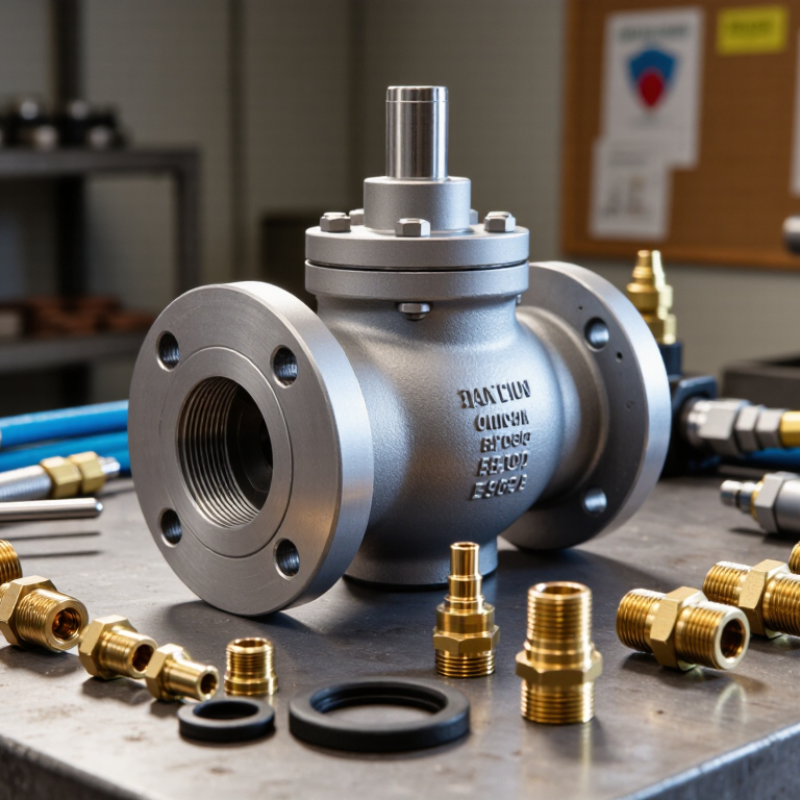
How to Choose the Right Hydraulic Parts for Global Sourcing?

Define Hydraulic Part Requirements and System Performance Goals

Before choosing hydraulic parts for global sourcing, define the working conditions clearly.

State the fluid type, operating pressure, peak pressure, flow rate, temperature range, and duty cycle. Include connection sizes, installation space, sealing materials, and expected service life. Write it down.

Separate normal performance from short-term extremes. A valve rated for 210 bar may not suit a system reaching 230 bar during pressure spikes. Check whether the pump, hose, actuator, and control valve share compatible ratings. Small mismatches can create leakage, vibration, or premature failure.

System goals should be measurable. For a lifting circuit, specify load capacity, movement speed, stopping accuracy, and acceptable drift. For a mobile machine, consider shock loads, contamination, cold starts, and limited maintenance access. Define efficiency, noise, response time, and leakage limits before comparing quotations. Numbers reveal gaps.

Translate each goal into an acceptance test. Request dimensional drawings, material details, pressure-test records, and traceable inspection data. Confirm that test conditions match your actual application. A component may pass a short laboratory test but fail after thousands of cycles in dust and heat. Field reviews often uncover this difference.

Be realistic about uncertainty. Some operating data may be estimated, especially during early design. Mark those assumptions and review them after prototype testing. A complete specification is useful, but an honest specification is safer. Clear requirements help suppliers propose suitable parts instead of simply offering the lowest price.

Match Materials, Pressure Ratings, and Fluid Compatibility

Choosing hydraulic parts for global sourcing starts with the working environment, not the lowest quotation. Identify the fluid, operating pressure, temperature range, flow rate, and connection type. A component rated for 250 bar may fail when pressure spikes exceed that figure. Leave a practical safety margin. Do not treat the catalog rating as the complete answer.

Material selection also needs careful attention. Carbon steel can suit many industrial systems, while stainless steel may perform better near moisture, salt, or aggressive cleaning chemicals. Seal materials must match the fluid. Mineral oil, water-glycol mixtures, and biodegradable fluids can affect elastomers differently. A seal that looks perfect during inspection may swell after several weeks of service. That detail is easy to miss.

Ask suppliers for pressure-test records, material certificates, dimensional drawings, and fluid-compatibility data. Check whether testing follows a recognized technical standard, then confirm the actual test conditions. Documentation can still contain gaps. Review thread forms, port sizes, surface treatments, and temperature limits before approving samples. Small differences create expensive installation problems. It is also wise to test parts with the exact fluid used in the final machine. Compatibility charts are useful, but they are not always decisive. Real operating cycles, contamination, and heat can change performance. When uncertainty remains, record it, test it, and avoid pretending the risk has disappeared.

How to Choose the Right Hydraulic Parts for Global Sourcing? - Match Materials, Pressure Ratings, and Fluid Compatibility

Hydraulic Part Common Material Typical Working Pressure Common Hydraulic Fluids Fluid Compatibility Considerations Typical Temperature Range Key Sourcing Checkpoints
Two-Wire Braided Hydraulic Hose Oil-resistant synthetic rubber tube, two layers of high-tensile steel wire braid, synthetic rubber cover 70–350 bar
(1,015–5,075 psi)
Mineral-based hydraulic oils, water-glycol fluids, selected biodegradable fluids Confirm the hose tube and cover are rated for the exact fluid. Water-based fluids may reduce service life if the hose is not specifically approved. Approximately −40°C to +100°C Match hose size, minimum bend radius, impulse rating, fitting type, and working pressure. Do not select by burst pressure alone.
Four-Wire Spiral Hydraulic Hose Oil-resistant synthetic rubber tube with multiple spiral steel reinforcement layers 250–420 bar
(3,625–6,090 psi)
Mineral-based hydraulic oils and compatible fire-resistant fluids High-pressure construction does not automatically ensure compatibility with phosphate esters, water-glycol, or biodegradable fluids. Approximately −40°C to +100°C Check pressure spikes, impulse cycles, outer-cover abrasion resistance, bend radius, and connection orientation.
PTFE Hydraulic Hose Polytetrafluoroethylene inner tube with stainless-steel braid 100–250 bar
(1,450–3,625 psi), size dependent
Mineral oils, phosphate esters, water-based fluids, and many synthetic fluids PTFE has broad chemical resistance, but the braid, fittings, and temperature rating must also be verified for the selected fluid. Approximately −60°C to +260°C, design dependent Check permeation, electrical conductivity requirements, assembly method, minimum bend radius, and dynamic movement limits.
Seamless Carbon-Steel Hydraulic Tube Cold-drawn, normalized carbon steel 100–400 bar
(1,450–5,800 psi), based on outside diameter and wall thickness
Mineral-based hydraulic oils and compatible water-based fluids Suitable for common petroleum-based fluids. Internal cleanliness and corrosion protection are important when using water-rich fluids. Typically −40°C to +120°C, application dependent Specify tube dimensions, material grade, wall thickness, cleanliness level, surface treatment, and allowable working pressure.
Stainless-Steel Hydraulic Tube 304 or 316 stainless steel, selected according to corrosion exposure 100–300 bar
(1,450–4,350 psi), dimension dependent
Mineral oils, water-glycol fluids, phosphate esters, and water-based media 316 stainless steel generally provides better resistance to chlorides than 304 stainless steel. Compatibility must include fittings and seals. Approximately −60°C to +200°C, grade and assembly dependent Confirm corrosion environment, tube hardness, surface finish, bending requirements, pressure calculations, and galvanic compatibility.
Steel Hydraulic Adapter and Fitting Carbon steel with zinc-based or other corrosion-resistant surface treatment Typically 160–420 bar
(2,320–6,090 psi), size and connection dependent
Mineral oils and selected water-based or synthetic fluids Plating and seal materials must be compatible with the fluid and operating temperature. Some fluids can accelerate coating degradation. Approximately −40°C to +120°C, seal dependent Match thread standard, sealing method, port size, pressure class, torque requirements, and corrosion-resistance expectations.
Stainless-Steel Hydraulic Fitting 304 or 316 stainless steel Typically 150–400 bar
(2,175–5,800 psi), connection and size dependent
Water-based fluids, phosphate esters, mineral oils, and corrosive hydraulic media Use compatible seal materials and avoid unsuitable metal combinations that may create galvanic corrosion in wet environments. Approximately −60°C to +200°C, seal dependent Verify pressure derating, thread or tube-end standard, surface condition, corrosion exposure, and assembly torque.
Nitrile Rubber Seal (NBR) Acrylonitrile-butadiene rubber Often suitable for static and dynamic hydraulic sealing up to approximately 210 bar
(3,045 psi), design dependent
Mineral oils, petroleum-based hydraulic fluids, and greases Generally unsuitable for phosphate ester fluids, strong ozone exposure, and many highly polar solvents. Compatibility varies with acrylonitrile content. Approximately −30°C to +100°C Specify hardness, pressure-extrusion gap, groove dimensions, fluid type, temperature, and dynamic speed.
Ethylene Propylene Rubber Seal (EPDM) Ethylene-propylene-diene rubber Pressure depends on seal profile and housing design; commonly used in moderate-to-high pressure sealing systems Water-glycol fluids, phosphate ester fluids, hot water, and steam Not recommended for petroleum-based mineral oils or hydrocarbon fluids because swelling and deterioration may occur. Approximately −50°C to +150°C Use only after confirming fluid chemistry, pressure-extrusion resistance, compression set, and temperature cycling.
Fluorocarbon Rubber Seal (FKM) Fluorocarbon elastomer Often suitable for high-pressure sealing systems when correctly designed; pressure depends on profile and installation Mineral oils, many synthetic oils, fuels, and selected phosphate ester fluids Offers strong heat and chemical resistance, but low-temperature flexibility and compatibility with hot water or steam can be limited. Approximately −20°C to +200°C Confirm compound grade, low-temperature requirement, fluid additives, extrusion gap, and pressure-cycle performance.
Hydraulic Check Valve Carbon steel or stainless steel body, hardened steel poppet or ball, elastomeric or metal seat Typically 210–350 bar
(3,045–5,075 psi)
Mineral oils, water-glycol fluids, and selected synthetic fluids The body material, spring, seat, and seals must all be compatible with the selected fluid. Water-based fluids may require corrosion-resistant internals. Approximately −30°C to +120°C, seal dependent Check cracking pressure, leakage rate, flow direction, pressure drop, response time, port size, and contamination tolerance.
Hydraulic Directional Control Valve Precision-machined steel or cast iron body with hardened steel spool and elastomeric seals Typically 210–350 bar
(3,045–5,075 psi)
Mineral-based hydraulic oils and compatible fire-resistant fluids Fluid viscosity, cleanliness, water content, and additive package affect spool movement, wear, leakage, and valve life. Approximately −20°C to +80°C fluid temperature Specify nominal flow, maximum pressure, port standard, spool configuration, leakage limits, electrical requirements, and filtration level.
Hydraulic Filter Element Cellulose, glass-fiber, stainless-steel mesh, or synthetic filter media Usually 10–250 bar
(145–3,625 psi), housing dependent
Mineral oils, water-glycol fluids, biodegradable fluids, and selected synthetic fluids Filter media, adhesive, end caps, and seals must be compatible with the fluid and its additives. Water-based fluids may require special media. Approximately −20°C to +100°C, material dependent Match micron rating, absolute or nominal efficiency, beta ratio, collapse pressure, dirt-holding capacity, and bypass-valve setting.
Selection note: Pressure ranges and temperature values are typical engineering ranges, not universal ratings. The final selection must be based on the exact part size, construction, connection method, fluid formulation, pressure spikes, duty cycle, temperature, cleanliness level, and applicable technical standard. The lowest-rated component in the complete hydraulic assembly determines the safe working limit.

Evaluate Suppliers, Certifications, and Manufacturing Capabilities

Choosing hydraulic parts globally requires more than comparing unit prices. Supplier evidence matters. The ISO Survey 2022 recorded over 1.2 million ISO 9001 certificates worldwide, yet certification alone cannot prove valve cleanliness or pressure life. Ask for the certificate scope, issuing body, expiry date, and audited site. Then request material certificates, calibration records, process-control plans, and a sample traceability trail. A reliable supplier should identify the steel heat, machining batch, operator, and final test result. Small details reveal discipline.

In my view, a supplier that cannot explain a failed pressure test honestly is riskier than one with a minor nonconformance. That judgment is not always comfortable.

Manufacturing capability should match the part’s failure risks. For cylinders, inspect deep-hole honing, seal-groove control, chrome thickness, and alignment records. For pumps, review balancing, contamination controls, endurance testing, and documented flow results. Request test data at defined pressure, temperature, viscosity, and cycle counts. Generic “passed” statements are weak evidence.

The 2023 World Bank Logistics Performance Index shows that border reliability and shipment tracking remain uneven across countries. Assess packaging, spare-part availability, and escalation response before approval. Also verify destination-market requirements and applicable conformity documents. A supplier may have excellent machines but poor engineering change control.

I would begin with a pilot order, independent dimensional checks, and a corrective-action review. It costs more initially. It can expose assumptions early.

Compare Total Costs, Lead Times, and Global Logistics Risks

When selecting hydraulic parts globally, purchase price is only the visible number. Experienced buyers calculate the landed cost before approving a supplier. This includes tooling, packaging, inspection, freight, insurance, duties, and currency changes. A low-cost valve may become expensive after air transport and urgent handling. I also check minimum order quantities and replacement costs. Small omissions can distort the comparison.

Lead time needs a practical breakdown. Ask for production days, inspection time, document preparation, and transit estimates. A supplier promising seven days may still require three weeks for shipping. In project reviews, I have seen schedules fail because buyers ignored port congestion and local holidays. Add a realistic buffer. Not an inflated one. Request written milestones and sample tracking records before placing large orders.

Logistics risk also affects part selection. Heavy manifolds need strong crates, while seals require clean, dry storage during transit. Poor packaging can cause corrosion, dents, or contamination before installation. Compare air, sea, rail, and truck routes by cost and reliability, not price alone. Use pre-shipment inspections and batch traceability for critical components. Review the supplier’s quality records, response times, and contingency plans. Our early cost models were too optimistic because they treated delays as rare events. They are not. A better model assigns a financial value to each day of downtime and tests several delivery scenarios. Safety stock may look wasteful, yet one missing fitting can stop an entire assembly line.

Verify Quality Through Testing, Inspection, and Sample Approval

When sourcing hydraulic parts globally, quality begins with evidence, not a supplier’s presentation. The ISO Survey 2023 recorded more than 1.2 million ISO 9001 certificates worldwide. Certification helps, but it does not prove every valve, hose, or cylinder is suitable for your system. Ask for material certificates, dimensional records, calibration status, and batch traceability. Verify the testing method against ISO 4413 and the pressure requirements of your application.

A practical approval process should include visual inspection, dimensional checks, pressure testing, leakage testing, and cleanliness verification. For safety-critical parts, request proof-test and burst-test results from an independent laboratory. Sample approval should use production-equivalent materials and tooling. A polished prototype can mislead. It may not represent the final batch. Market research reports valued the global hydraulic equipment market at tens of billions of dollars in 2024, with steady growth expected through the decade. That scale makes weak inspection costly.

Use a signed sample approval sheet with tolerances, surface limits, port dimensions, seal materials, and test pressure. Photograph critical features before shipment. Keep one approved sample under controlled storage. Recheck random production units against it. This is less glamorous than negotiating price, yet small differences can cause leakage, noise, or premature failure. A certificate may be genuine. The process can still be incomplete. Review it.

FAQS

Is a quality certification enough when evaluating a hydraulic parts supplier?

No. Request the certificate scope, expiry date, issuing body, and audited site. Certification does not prove pressure life or cleanliness.

Which supplier documents should buyers request?

Ask for material certificates, calibration records, process-control plans, and traceability samples. The records should identify the steel heat, machining batch, operator, and final test.

How can buyers assess manufacturing capability?

Match inspections to failure risks. Check honing, seal grooves, surface coating, alignment, balancing, contamination control, and endurance testing.

What testing information is useful?

Request results under defined pressure, temperature, viscosity, and cycle counts. “Passed” is too vague. Details matter.

How should total purchasing cost be calculated?

Include tooling, packaging, inspection, freight, insurance, duties, currency changes, and replacement costs. A cheap valve may become expensive after urgent air transport.

How should delivery times be checked?

Separate production, inspection, document preparation, and transit time. Add a realistic buffer for congestion and holidays. Seven production days may still mean three weeks.

What packaging details matter during international transport?

Heavy manifolds need strong crates. Seals need clean, dry storage. Weak packaging can cause corrosion, dents, or contamination before installation.

Should buyers place a large order immediately?

A pilot order is safer. Use independent dimensional checks, pre-shipment inspection, and a corrective-action review. It costs more initially.

How can logistics risks be compared?

Compare air, sea, rail, and truck routes by reliability and total cost. Review tracking, spare parts, response times, and contingency plans.

Is safety stock always wasteful?

Not always. One missing fitting can stop an assembly line. Our early estimates were too optimistic, so downtime deserves a financial value.

Conclusion

Choosing the right Hydraulic Parts for global sourcing begins with clearly defining the system’s operating requirements and performance goals. Buyers should evaluate flow rates, pressure levels, temperature ranges, connection standards, service conditions, and expected service life before selecting components. Material strength, corrosion resistance, pressure ratings, and compatibility with the working fluid are also essential to ensure safe and reliable operation. A careful technical match can reduce failures, maintenance needs, and unexpected downtime.

Supplier evaluation should include manufacturing capabilities, quality management systems, relevant certifications, production capacity, and experience with international orders. Beyond unit price, buyers should compare total costs, including tooling, packaging, transportation, duties, inventory, and potential delays. Global logistics risks should be assessed through realistic lead-time planning and contingency options. Before final approval, request samples and conduct dimensional checks, pressure testing, leakage inspections, material verification, and functional testing. A documented inspection process helps confirm consistency and supports confident long-term sourcing decisions.

Mason

Mason

Mason is a seasoned marketing professional with a deep expertise in the company's offerings and a passion for driving brand awareness. With a strong background in digital marketing strategies, he has an innate ability to connect with diverse audiences and effectively communicate product benefits.......