
Micro Precision
Selecting the right Electric Forklift Truck can significantly impact your business operations. The market offers a variety of options, each catering to specific needs. Understanding your requirements is essential. Consider factors like load capacity, usage environment, and maintenance. These elements play a crucial role in your choice.
Electric Forklift Trucks are known for their efficiency and lower emissions compared to their gas counterparts. However, not all models are created equal. Some may require frequent charging, while others might lack essential features. Assess these aspects carefully to avoid costly mistakes.
Your decision should reflect your business's unique demands. Have you thought about your warehouse layout and daily operations? Those details matter. It's worth spending time researching different models and manufacturers. After all, an informed choice leads to productive outcomes and long-term savings.
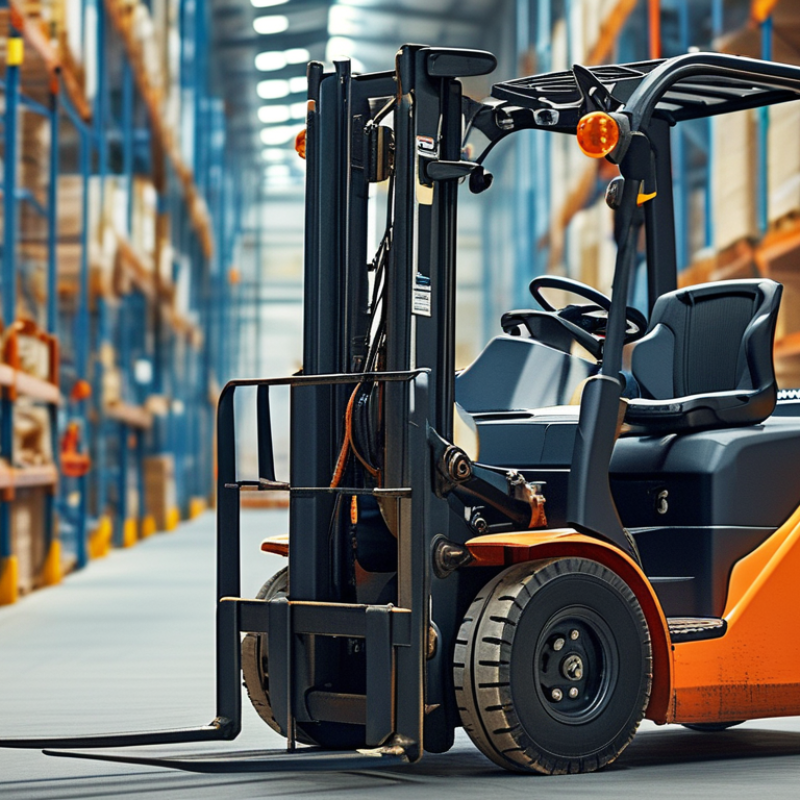
When selecting an electric forklift truck for your business, several key factors come into play.
Capacity is crucial;
most electric forklifts can handle loads from 3,000 to 20,000 pounds.
The right choice depends on your specific needs. For instance, data from the Industrial Truck Association indicates that
over 60% of electric forklifts sold are rated for loads of 5,000 pounds or less,
making them ideal for warehouse operations.
Another factor to consider is battery technology.
Lithium-ion batteries have gained popularity due to their fast charging and longer life cycles compared to
traditional lead-acid batteries. This can significantly reduce downtime and maintenance costs.
A report by the National Association of Manufacturers suggests that businesses can save up to 20% on energy costs with the right battery choice.
Tip:
Analyze your operational environment. Enclosed spaces may require different specifications than outdoor use.
Additionally, ergonomics and
operator comfort cannot be overlooked.
A study from the Occupational Safety and Health Administration highlights that a comfortable operator can improve
performance up to 20%. Pay attention to seat design, control layout, and visibility.
Tip:
Regularly solicit feedback from operators.
Their insights can lead to better decision-making in your selection process.
When selecting an electric forklift truck, understanding load capacity and specifications is crucial. Load capacity is the maximum weight the forklift can safely lift. It varies widely, so assessing your needs is vital. Consider typical loads and their distribution. Misjudging this can lead to dangerous situations.
Tips: Always calculate the weight of your heaviest items. Factor in the height you need to lift. Overloading can cause instability.
Specifications also matter. Look at the turning radius, battery life, and charging time. These factors affect maneuverability in tight spaces. Small details can influence daily operations.
Tips: Evaluate your work environment. A tight warehouse may demand a compact model. Don’t overlook serviceability. Routine maintenance is easier with accessible components.
| Model | Load Capacity (kg) | Lift Height (mm) | Battery Type | Operating Weight (kg) |
|---|---|---|---|---|
| Model A | 1500 | 3000 | Lithium-ion | 2500 |
| Model B | 2000 | 4000 | Lead-acid | 3000 |
| Model C | 2500 | 5000 | Lithium-ion | 3500 |
| Model D | 3000 | 6000 | Lead-acid | 4000 |
| Model E | 1800 | 3500 | Lithium-ion | 2700 |
When selecting an electric forklift truck, it's crucial to assess the type of operations and work environment. Different environments, such as warehouses or outdoor spaces, require distinct capabilities. A recent industry report indicates that nearly 70% of operations in warehouses require compact forklifts with agile maneuverability. Space constraints often make smaller models preferable in these settings, where performance and safety matter.
Consider the flooring of your workspace. If your operation involves uneven surfaces, then a rugged forklift is essential. Reports show that 30% of forklift accidents occur due to inadequate handling on rough terrain. Hence, investing in a forklift designed for such conditions can significantly improve safety and productivity. Additionally, the climate plays a role; indoor models may not endure extreme outdoor temperatures effectively.
Proper evaluation of these factors can lead to better equipment choices. However, many organizations overlook this analysis and end up with mismatched equipment. This can lead to increased operational costs. A 2022 study highlighted that misaligned choices could raise maintenance costs by 25%. Understanding the specific needs of your operations is key to making informed decisions in an ever-evolving marketplace.
When selecting an electric forklift, battery life and charging options are crucial. A study by the Industrial Truck Association reveals that over 70% of fleet managers prioritize battery performance. Forklift batteries typically last 1,500 to 2,000 cycles. This variation is heavily influenced by usage patterns and maintenance.
Charging time also plays a pivotal role in operational efficiency. The average charging time ranges from 1.5 to 8 hours, depending on the battery type. Fast-charge options can reduce downtime but may shorten battery lifespan. A report from the Electric Forklift Manufacturers Association emphasizes that poor charging practices lead to a decrease in battery efficiency by 20%. Therefore, understanding your operational needs is vital.
Inadequate battery choice can lead to operational issues. Some companies may notice unexpected downtime or increased energy costs. A comprehensive assessment of your specific needs can help mitigate these risks. Consider the nature of your work and cycle frequency before making a decision. Electric forklifts can revolutionize operations, but careful planning is essential.
This chart illustrates the average hours of operation per charge for different battery types and charging options used in electric forklift trucks. The data shows that lithium-ion batteries generally provide longer operational hours compared to standard lead-acid batteries, while fast charging significantly reduces the operation time per charge.
When considering electric forklift trucks, it's crucial to evaluate both initial costs and long-term maintenance expenses. Purchasing an electric forklift often comes with a higher upfront price than its gas or diesel counterparts. However, the total cost of ownership can vary significantly. You may save money in the long run with lower energy and maintenance costs. This analysis requires a careful examination.
Electric forklifts generally have fewer moving parts. They require less frequent servicing, which can translate to savings. However, battery replacement can be expensive. Understanding this potential expense is essential for long-term planning. Calculate the average lifespan and warranty of the battery. Factor in costs for charging equipment and infrastructure, too.
Additionally, consider the working environment. An electric forklift works best indoors or in sheltered areas. If your operations require outdoor use, that may influence your choice. Weigh the benefits and drawbacks carefully. Each business has unique needs. Ask if the initial savings outweigh potential challenges. That reflection is vital in making the best decision for your specific requirements.
: Assess your type of operations and work environment before making a decision.
Uneven surfaces require rugged forklifts to ensure safe handling and prevent accidents.
Battery life is crucial, with most batteries lasting between 1,500 and 2,000 cycles.
Usage patterns and maintenance can significantly influence battery longevity and efficiency.
Charging times range from 1.5 to 8 hours, depending on the battery type.
Poor charging habits can decrease battery efficiency by up to 20%.
Electric forklifts often have a higher upfront cost but may save money in the long run.
Battery replacement and charging infrastructure can incur significant costs over time.
Yes, electric forklifts are best for indoor or sheltered areas; outdoor use may require other options.
Mismatched equipment can lead to increased costs and operational inefficiencies.
When selecting the best Electric Forklift Truck for your business, there are several factors that you should take into account. Firstly, understanding the load capacity and specifications is crucial, as it determines how much weight the forklift can safely handle. Additionally, evaluating the type of operations and work environment will help ensure that the selected forklift meets the specific needs of your business, whether it's for indoor warehousing or outdoor use.
Battery life and charging options are also critical considerations, as they directly impact the efficiency and uptime of the Electric Forklift Truck. Finally, comparing the costs and long-term maintenance expenses can help you make a financially sound decision, ensuring that your investment aligns with your budget and operational goals. By carefully weighing these factors, you can choose an electric forklift that enhances productivity and supports your business's growth.
