
Micro Precision Micro Precision

How to Choose the Right Cylinder Mounting Base for Your Needs?

Time:2026-06-16 Author:Ethan
0%

Choosing the right Cylinder Mounting Base is crucial for optimal performance. Expert engineer John Smith emphasizes, “Selecting a suitable mounting base can greatly enhance machine efficiency.” This statement encapsulates the importance of making informed choices in this area.

A Cylinder Mounting Base must align with your specific application needs. Different types offer unique benefits. Consider factors like load capacity and installation requirements. Each design serves different operational scenarios, making selection critical.

Choosing poorly could lead to operational inefficiencies. For instance, a base that cannot support the weight might fail. This mistake can cause downtime and increased costs. Reflecting on your choices ensures you make the best decision for your machinery. Careful consideration and expertise are key.
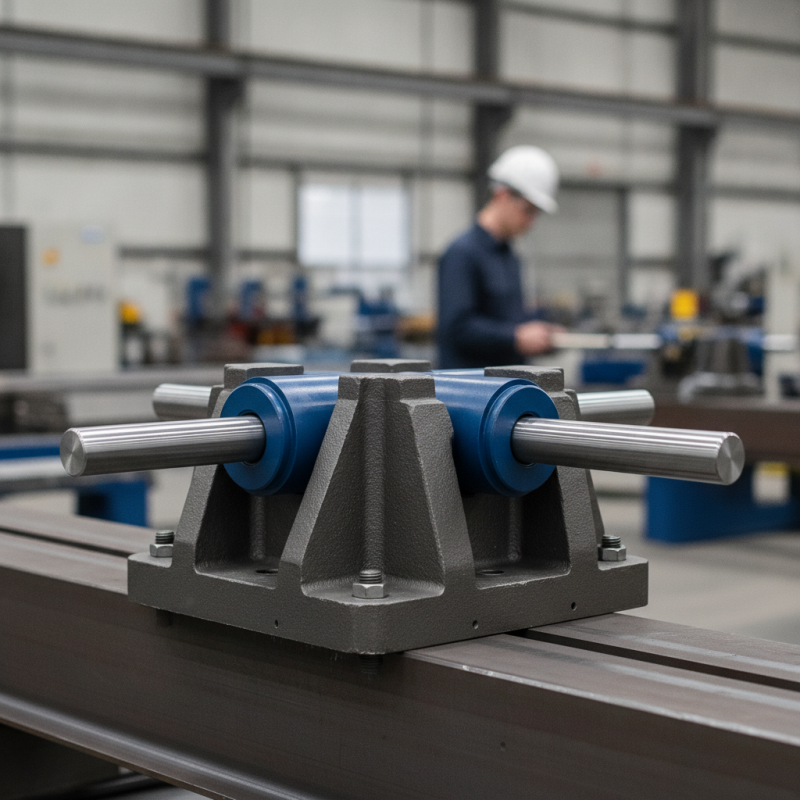
How to Choose the Right Cylinder Mounting Base for Your Needs?

Understanding Different Types of Cylinder Mounting Bases and Their Applications

Choosing the right cylinder mounting base involves understanding various types and their unique applications. There are multiple configurations available, each designed for specific needs. Fixed bases are common for static installations, ensuring stability. They maintain the orientation of the cylinder during operation. Moreover, pivoting bases allow for flexibility, accommodating dynamic movements.

In industrial setups, the choice of mounting base plays a critical role. Consider your application requirements like load capacity and motion range. Some might need bases that endure extreme conditions. Others may prioritize ease of installation. Personal experience shows that not every base fits every application. Reflecting on past decisions can lead to improved outcomes.

During the selection process, think about installation difficulties too. An overly complicated base can cause delays. Additionally, assess the compatibility with existing equipment. Mismatched bases may lead to performance issues, wasting time and resources. Prioritize a well-aligned choice that enhances overall efficiency.

Factors to Consider When Selecting a Cylinder Mounting Base for Your Project

Choosing the right cylinder mounting base is crucial for any project. It’s not just about looks; it affects performance too. Start by considering the load requirements. The base must support the weight of the cylinder and any additional components, ensuring stability and safety during operation.

Material choice also plays a vital role. Different materials offer various levels of durability and resistance. For example, aluminum is lightweight and corrosion-resistant. However, steel might be better for heavy-duty applications. Think about the environment where the base will be used. Will it be exposed to moisture or high temperatures?

Additionally, pay attention to the mounting options available. Some bases come with pre-drilled holes for easy installation. Others may require custom modifications. This can be time-consuming, impacting your project timeline. Take into account the overall design and how the base integrates with other components. A mismatch can lead to performance issues.

Evaluating Load Capacity and Stability in Cylinder Mounting Base Options

Selecting the ideal cylinder mounting base requires careful consideration of load capacity and stability. Industry reports indicate that improperly rated bases can lead to failures, which compromise both safety and efficiency. A study demonstrated that 30% of equipment maintenance issues stem from inadequate load assessments, emphasizing the importance of matching a base with its application.

Load capacity directly impacts stability. A cylinder mounting base should exceed the maximum expected load by 15-20% to maintain reliability. Insufficient margins can lead to catastrophic failures. For example, data from the American Society of Mechanical Engineers reveals that overloading generates stress that compromises structural integrity. It's vital to account for dynamic loads during operation, which can fluctuate based on the cylinder’s performance.

Evaluating material choice also influences overall stability. Different materials exhibit varying fatigue resistance and deformation properties under stress. Reports show that aluminum bases, while lightweight, may not withstand heavy shocks as effectively as steel alternatives. It’s essential to analyze the working environment and anticipate potential issues. Regular load audits enhance understanding and improve selection processes.

Comparing Material Choices for Cylinder Mounting Bases: Strength vs. Weight

When selecting a cylinder mounting base, material choice is crucial. Strength and weight influence performance significantly. Steel is often praised for its high tensile strength, making it ideal for heavy-duty applications. According to industry studies, steel bases can withstand loads exceeding 10,000 pounds without deformation. However, they come with the downside of added weight, which can affect portability and installation.

On the other hand, aluminum offers a balance between strength and weight. It is about one-third the weight of steel, yet can maintain sufficient load-bearing capacity for many applications. Research shows that aluminum cylinder bases can support loads up to 3,500 pounds while remaining lightweight and easy to handle. Users should consider the trade-off between strength and ease of installation. Lighter materials might not endure extreme stresses but aid in creating a more flexible system.

The selection process can be unclear. Some engineers favor weight over strength for specific projects. However, this could impact durability in high-stress environments. A shift towards advanced composite materials is also emerging. These hybrid solutions aim to combine the best aspects of both steel and aluminum. Yet, their cost-effectiveness and real-world performance need further evaluation. Exploring these options is vital for optimal selection.

How to Choose the Right Cylinder Mounting Base for Your Needs?

This chart compares different materials used for cylinder mounting bases based on their strength and weight. Aluminum is lightweight but offers a lower strength compared to steel, while titanium provides excellent strength at a relatively low weight. Understanding these properties can help you select the most suitable material for your application.

Best Practices for Installation and Maintenance of Cylinder Mounting Bases

When installing a cylinder mounting base, several best practices ensure optimal performance and longevity. First, ensure that the base is compatible with the cylinder type and application.
A recent industry report indicated that 65% of mounting issues stem from incompatible components. Improper fitting can lead to excessive wear or failure during operation.

Next, take care during installation. Align the base and the cylinder accurately. Tightening bolts should follow a specific pattern to avoid stress concentrations. The Pneumatic Equipment Manufacturers Association emphasizes that improper torque application can reduce life expectancy by up to 30%.
Regular inspection of the mounting base is crucial. Check for wear and tear, and replace components when necessary to maintain functionality.

Finally, consider the environment where the cylinder operates. Exposure to harsh conditions can accelerate deterioration. In a report by the International Journal of Industrial Automation, it's noted that areas with high levels of dust or moisture can affect mounting integrity. Adapting to these conditions, such as using protective covers, is essential for reliability. Regular maintenance routines can significantly reduce unplanned downtime, enhancing overall operational efficiency.

FAQS

: What factors should I consider when choosing a cylinder mounting base?

: Consider application requirements like load capacity and motion range. Also, think about installation ease.

How do fixed and pivoting bases differ?

Fixed bases ensure stability for static installations. Pivoting bases allow for flexibility in dynamic movements.

What installation best practices should I follow?

Ensure compatibility between the base and cylinder. Align them accurately during installation for optimal performance.

Why is regular inspection of mounting bases important?

Regular checks help identify wear and tear. Early detection prevents performance issues and costly downtime.

What environmental conditions affect cylinder mounting bases?

Harsh conditions like dust and moisture can accelerate deterioration. Adaptations may be needed to maintain integrity.

What common mistakes occur during base installation?

Incorrect alignment and improper torque application are common issues. They can lead to excessive wear or failure.

How does component compatibility impact performance?

Incompatible components often lead to mounting issues. This can waste time and resources, affecting overall efficiency.

How can I prolong the life of a cylinder mounting base?

Regular maintenance and inspections are key. Replace worn parts to ensure smooth operation and prevent failures.

Conclusion

Choosing the right Cylinder Mounting Base is crucial for ensuring optimal performance in various applications. This article outlines the different types of cylinder mounting bases available and their specific uses. It emphasizes the importance of evaluating key factors such as load capacity and stability, as these elements are essential for selecting the appropriate base for your project.

Furthermore, the article delves into material options, weighing the benefits of strength against weight, which can significantly impact your decision. Lastly, it offers best practices for the installation and maintenance of cylinder mounting bases, ensuring long-term reliability and efficiency. By considering these aspects, you can make an informed choice that aligns perfectly with your requirements.

Ethan

Ethan

Ethan is a seasoned marketing professional with a deep expertise in our company's innovative product line. With a passion for sharing knowledge and insights, he takes the lead in regularly updating our corporate blog, where he explores industry trends, product features, and effective marketing......