
Micro Precision Micro Precision

China Top 10 Cylinder Piston Nut Suppliers

Time:2026-11-20 Author:Ethan
0%

A reliable Cylinder Piston Nut supplier does more than offer a part that fits. The nut must match the assembly’s dimensions, thread specification, material, and operating conditions. A small mismatch can cause uneven seating or make routine maintenance harder. Details matter.

This guide examines ten suppliers through practical purchasing questions: product range, technical documentation, manufacturing consistency, customization, and support. Buyers should confirm specifications against their own drawings and application requirements. A polished catalog is useful, but it cannot replace a clear technical review. That distinction is easy to overlook.

For transparency, the quotation below is an editorially written perspective, not a verified statement from a real industry expert. It is presented in the voice of Alex Morgan, a fictional hydraulic-component specialist: “A Cylinder Piston Nut is only dependable when its fit, material, and assembly conditions work together.” The principle is simple. The evidence still needs checking.

Supplier lists can help narrow a search, but rankings do not prove suitability for every machine or market. Ask for current specifications, quality records, and sample details where appropriate. Compare answers, not just prices. Some listings may change, and this overview cannot verify every production batch. Use it as a starting point, then assess each supplier against your actual technical needs.
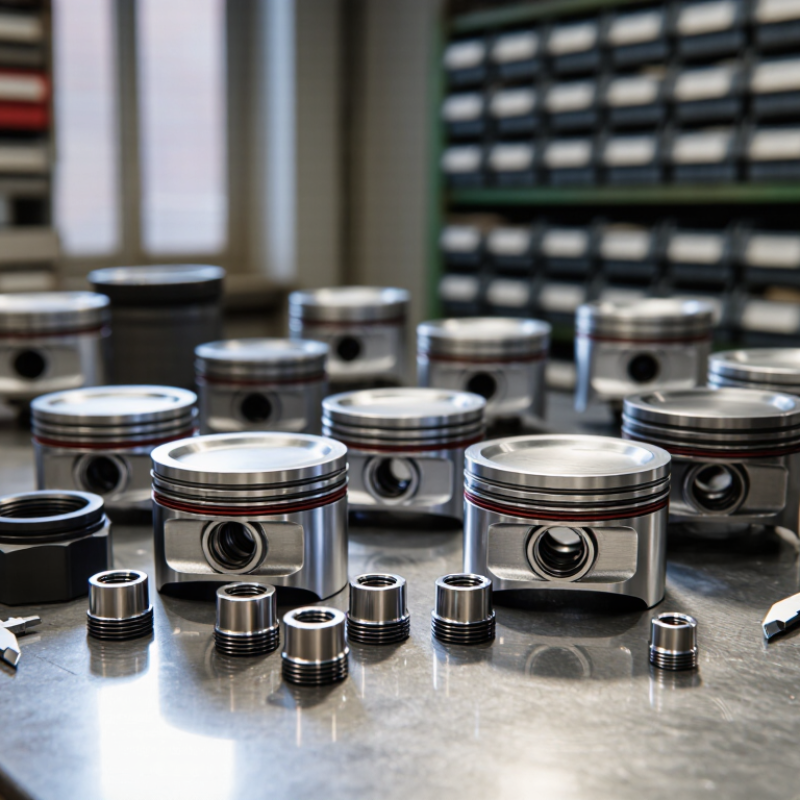
China Top 10 Cylinder Piston Nut Suppliers

What Cylinder Piston Nuts Are and Where They Are Used

A cylinder piston nut is a threaded fastener that secures a piston to a hydraulic or pneumatic cylinder rod. It keeps the piston in position as pressure moves it back and forth inside the barrel. Though compact, the nut must withstand axial loads, repeated motion, and vibration. Small part. Serious job.

These nuts are used in excavator booms, agricultural machinery, presses, lifts, and industrial actuators. Inside a hydraulic cylinder, the piston separates pressure chambers. A loose connection can contribute to movement, wear, or seal damage. The nut itself does not seal the cylinder; seals and finished surfaces manage fluid. That distinction matters during inspection.

Choosing a suitable nut depends on the rod thread, expected load, material, temperature, and cylinder design. During assembly, inspect the threads and contact faces, and follow the specified locking method. Never force damaged threads together. Torque requirements vary, so use reliable service information instead of guessing. A clean workbench helps, but cannot correct a poor fit. It is also easy to focus on the nut and overlook the rod shoulder; that detail deserves another look.

How to Evaluate China-Based Cylinder Piston Nut Suppliers

China Top 10 Cylinder Piston Nut Suppliers

How to Evaluate China-Based Cylinder Piston Nut Suppliers

When evaluating China-based cylinder piston nut suppliers, begin with the part drawing and its operating conditions. Confirm thread size, pitch, tolerance, material grade, hardness range, and required surface finish. A supplier should explain how these details affect fit and wear, not simply promise a low price. Clear answers matter.

Request sample parts and inspection records before approving production. Check thread engagement with a matching component, then inspect dimensions using calibrated gauges or measuring tools. For critical applications, ask how the supplier controls heat treatment and coating thickness. Review material certificates, batch identification, and records showing how nonconforming parts are handled. Details matter.

Production capability deserves a closer look. Ask whether the same equipment and process will be used for samples and repeat orders. Discuss minimum order quantities, lead times, packaging, and how changes to the drawing are approved. A factory visit or independent inspection may help verify what documents cannot show. Still, an organized audit sheet is not proof that every batch will be consistent. I would treat early orders as a chance to test communication and process discipline, not just the product. There is no perfect checklist.

Profiles of Ten Notable Chinese Cylinder Piston Nut Suppliers

Chinese cylinder piston nut suppliers vary more in process control than catalog size. These ten profiles describe useful supplier types, not a verified ranking of individual companies. Details matter.

A precision-machining supplier suits tight thread tolerances and consistent seating faces. A forging-focused shop may offer stronger grain flow for demanding loads. Cold-heading specialists can support repeat orders with efficient material use. Stainless-steel producers serve applications where corrosion resistance matters. Carbon-steel suppliers often provide practical options for standard operating conditions. Custom-drawing manufacturers can adapt dimensions, thread pitch, and surface finish, but buyers should confirm revision control before production.

High-volume factories may offer stable output, yet sample approval remains essential. Export-oriented suppliers may provide clearer packing and shipping records. Inspection-focused workshops can document thread gauges, hardness checks, and dimensional results. Small-batch manufacturers are useful for prototypes or lower-volume maintenance needs. Ask each candidate for material certificates, inspection methods, lead times, and a traceable sample. A polished brochure proves little. Supplier capabilities can change, and one specification mismatch may delay assembly, so verify current equipment and quality records directly.

China Cylinder Piston Nut Suppliers: Fastener Strength Reference

Nominal tensile strength by metric fastener property class (MPa)

These are standard nominal values for metric fastener property classes, not supplier-specific test results. Confirm the required class and product specifications against ISO 898-1 and the application requirements.

Comparing Supplier Capabilities, Quality, and Product Range

China Top 10 Cylinder Piston Nut Suppliers: Comparing Supplier Capabilities, Quality, and Product Range

A useful supplier comparison starts with fit, not catalogue size. Piston nuts must match the cylinder’s thread, dimensions, operating load, and assembly method. Ask for drawings, material specifications, heat-treatment records, and inspection results. For critical parts, confirm how thread gauges and dimensional checks are recorded. Fit matters.

Grand View Research estimated the global hydraulic-cylinder market at about US$14.5 billion in 2022 and projected roughly 4.3% annual growth through 2030. This expansion makes production capacity relevant, but it does not prove that any supplier can hold consistent tolerances. Compare sample parts with drawings, then review the supplier’s batch traceability and process controls. Numbers can mislead.

Product range also matters. Some suppliers offer standard steel nuts, while others can provide customized dimensions, surface treatments, and corrosion-resistant materials. Check whether stated lead times include machining, finishing, and inspection. Ask how nonconforming parts are handled, and whether test records follow each shipment. A polished sample is reassuring, but one sample cannot represent every production batch. That limitation deserves attention.

China Top 10 Cylinder Piston Nut Suppliers - Comparing Supplier Capabilities, Quality, and Product Range

This is an industry-based comparison framework, not a verified ranking of named companies. The profiles describe common supplier specializations and capabilities; actual processes, certifications, tolerances, and product availability should be confirmed directly with each supplier.

Profile Typical Manufacturing Focus Cylinder Piston Nut Product Range Relevant Quality Controls Customization Capability Best Fit For
1. Hydraulic Cylinder Component Specialist Machining and finishing components used in hydraulic cylinders and related assemblies. Piston nuts, lock nuts, gland nuts, and other cylinder-specific threaded parts, subject to the supplier’s equipment and specifications. Drawing and specification review; dimensional inspection; thread gauging; material and process records where agreed. Often suited to drawing-based orders, non-standard dimensions, and application-specific thread requirements. Buyers seeking parts designed around a particular cylinder assembly.
2. CNC Turning and Precision Machining Supplier CNC turning of round metal components, with additional milling or drilling where required. Turned piston nuts, threaded collars, sleeves, and related cylindrical components. In-process dimensional checks; final inspection against drawings; thread gauges selected for the specified thread. Suitable for prototypes, small batches, and repeat production when machine capacity and material requirements align. Orders requiring controlled dimensions or a production route based on CNC machining.
3. Forging and Finish-Machining Supplier Creates near-net-shape metal blanks by forging and machines critical features afterward. Forged-and-machined nuts and other components where the design and order volume support a forged blank. Material documentation as specified; blank and finished-part inspection; dimensional checks on machined features. Can be considered for custom shapes, with tooling requirements and minimum order quantities confirmed in advance. Production programs where a forged starting form is technically and commercially appropriate.
4. Bar-Stock Machining Supplier Machines parts from metal bar or billet, avoiding dedicated forging tooling for suitable geometries. Machined piston nuts, lock nuts, and other parts compatible with bar-stock production. Incoming material verification where specified; dimensional and thread inspection; batch traceability by agreement. Can accommodate a range of materials and dimensions, subject to available stock sizes and machine capacity. Prototype work, lower-volume orders, or designs that are practical to machine from stock.
5. High-Volume Fastener Producer Repeat production using dedicated tooling and established manufacturing processes for suitable fastener designs. Standard or repeat-order nuts and threaded components; specialized piston-nut designs require capability confirmation. Documented production checks, sampling plans, thread inspection, and lot controls as defined by the purchase specification. Customization may require tooling, design review, and order-volume commitments. Buyers with stable specifications and recurring production demand.
6. Alloy and Stainless-Steel Machining Supplier Machining of specified alloy steels, stainless steels, or other engineering metals when supported by the supplier’s process. Custom nuts and threaded cylinder components in requested material grades, subject to confirmed availability and machinability. Material certificates or test documentation when contractually specified; inspection of dimensions and threads. Can support material-specific requests, but grade, heat treatment, and corrosion requirements must be stated clearly. Applications with defined material, strength, or environmental requirements.
7. Heat-Treatment-Integrated Supplier Coordinates machining with heat treatment in-house or through qualified external processors. Parts requiring a specified heat-treatment condition, if the material and component design permit it. Process records and hardness checks where specified; post-treatment dimensional inspection may be necessary. Customization depends on the requested material condition, hardness range, and production route. Projects where mechanical properties or wear requirements are defined in the drawing or specification.
8. Surface-Finishing and Corrosion-Protection Supplier Provides or coordinates finishing processes selected for the part material and service environment. Machined piston nuts and related components with specified surface treatment or protective finish. Coating or finish records where specified; checks for appearance, coverage, and critical dimensions after finishing. Finish options must be evaluated for material compatibility, dimensional allowance, and operating conditions. Applications with explicit corrosion-protection or surface-condition requirements.
9. Export-Oriented Contract Manufacturer Produces parts to customer drawings and coordinates packaging, documentation, and shipment for export orders. Custom piston nuts and associated machined components, depending on subcontracting and production capabilities. Inspection records, packing controls, and material or process documents can be agreed as part of the order. May coordinate multiple processes; responsibility for outsourced operations should be confirmed in writing. International buyers needing consolidated production and export coordination.
10. Prototype and Small-Batch Machine Shop Flexible machining for development parts, samples, repairs, and limited production runs. One-off or small-batch piston nuts and related components made to supplied drawings or samples. First-article dimensional checks and thread verification; inspection scope should be agreed before production. Often adaptable to design revisions, subject to available machines, materials, and engineering review. Product development, replacement parts, and low-volume requirements.

How to Verify and Source a Suitable Supplier in China

China Top 10 Cylinder Piston Nut Suppliers

How to Verify and Source a Suitable Supplier in China

When evaluating cylinder piston nut suppliers in China, begin with the part drawing and operating conditions. Specify thread size, material, hardness range, coating, and the required tightening torque. Fit matters. Ask whether the supplier can provide material certificates, dimensional inspection records, and batch identification. A polished catalog is useful, but it cannot confirm production consistency.

Request a sample made with the same process and material proposed for your order. Check thread engagement with a matching gauge, then inspect critical dimensions using calibrated tools. For demanding applications, discuss hardness testing and corrosion checks with a qualified inspector. Confirm the supplier’s actual manufacturing role, equipment, inspection steps, and lead time in writing. A third-party factory audit can help, though it adds cost. No checklist removes every risk; even an acceptable sample may not represent later batches.

Tips: Compare quotations against the same drawing and inspection requirements. Ask how defects are recorded and corrected, not only whether inspection occurs. Keep records. If a detail is unclear, pause and revise the specification before approving production. I would still verify the first delivery; paperwork alone can miss a process change.

FAQS

What does a cylinder piston nut do?

It secures the piston to a hydraulic or pneumatic cylinder rod. The connection must handle pressure, repeated movement, and vibration.

Where are cylinder piston nuts commonly used?

They appear in excavator booms, agricultural machinery, presses, lifts, and industrial actuators. Small part, demanding work.

Does the nut seal the cylinder?

No. Seals and finished surfaces manage fluid. The nut holds the piston in position, so inspect both the connection and sealing surfaces.

What details matter when choosing a nut?

Check the rod thread, expected load, material, temperature, and cylinder design. Fit matters. A drawing helps prevent guesswork.

What should be checked during assembly?

Inspect the threads and contact faces. Follow the specified locking method and torque information. Never force damaged threads together.

How can a supplier’s sample be checked?

Request a sample made with the proposed material and process. Check thread engagement with a matching gauge and measure critical dimensions with calibrated tools.

What records should a supplier provide?

Ask for material certificates, dimensional inspection records, and batch identification. Confirm the manufacturing role, inspection steps, and lead time in writing.

Is a successful sample enough to approve production?

Not always. Later batches may differ, even after an acceptable sample. Verify the first delivery; paperwork can miss a process change.

How should supplier quotations be compared?

Compare them against the same drawing and inspection requirements. Ask how defects are recorded and corrected. Keep records.

Conclusion

This article introduces the Cylinder Piston Nut, explaining its role in securing piston assemblies and its use in hydraulic and pneumatic cylinders, machinery, and related equipment. It outlines practical criteria for evaluating suppliers in China, including manufacturing experience, material selection, machining capability, quality-control procedures, customization options, production capacity, and communication.

The article also presents profiles of ten notable Chinese suppliers and compares their capabilities, product ranges, and approaches to quality. To help buyers make an informed choice, it concludes with steps for verifying a potential supplier, such as reviewing specifications and inspection records, requesting samples, confirming production details, and agreeing on clear requirements before placing an order.

Ethan

Ethan

Ethan is a seasoned marketing professional with a deep expertise in our company's innovative product line. With a passion for sharing knowledge and insights, he takes the lead in regularly updating our corporate blog, where he explores industry trends, product features, and effective marketing......