The global market for Truck Crane Cylinders is evolving rapidly. As construction and transportation demands grow, the need for reliable and efficient lifting solutions increases. According to a recent report by Market Research Future, the global crane market is projected to reach USD 51 billion by 2027, with significant contributions from the Truck Crane Cylinder segment.
Industry expert Dr. Sarah Thompson notes, “The quality of the Truck Crane Cylinder directly impacts operational efficiency.” Her insights highlight the importance of selecting the right components. High-quality cylinders enhance safety and performance, thereby preventing costly downtime in construction projects.
Despite the advancements, challenges remain. The disparity in manufacturing standards across regions may affect product reliability. Buyers must navigate these complexities when sourcing Truck Crane Cylinders globally. It is vital to prioritize suppliers who demonstrate stringent quality control measures. Making informed choices can ultimately shape the future of lifting operations worldwide.
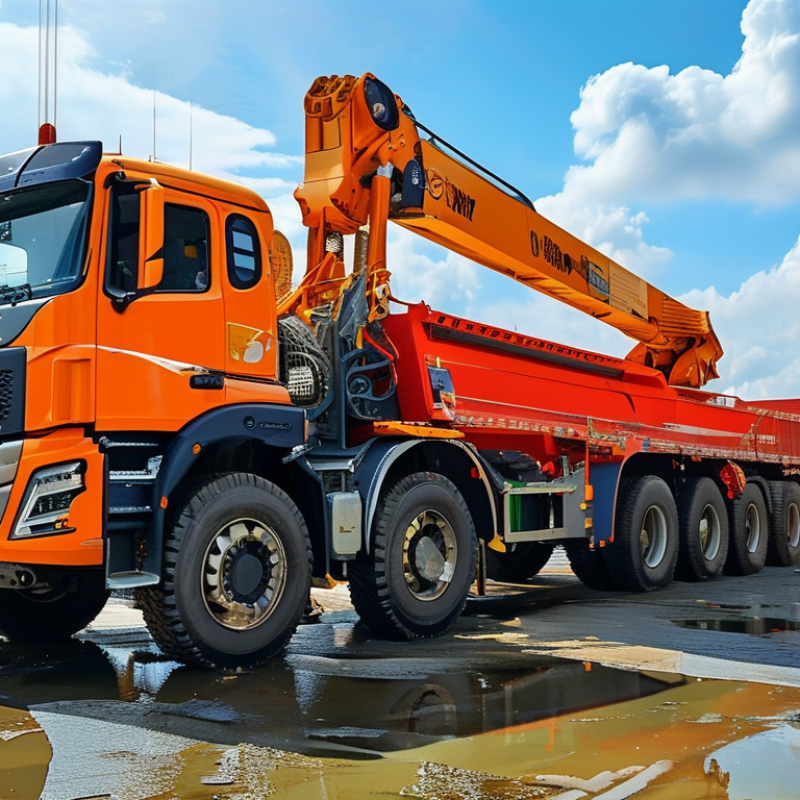
Best Truck Crane Cylinder Types and Their Specifications
When selecting truck crane cylinders, understanding their types and specifications is essential. Common types include
single-acting and double-acting cylinders.
Single-acting cylinders operate in one direction, while double-acting cylinders provide force in both directions. This versatility is crucial for various lifting tasks. According to industry reports, double-acting cylinders hold about 65% market share due to their efficiency.
Specifications of truck crane cylinders vary. For instance, a typical double-acting cylinder might have a bore diameter ranging from 2 to 6 inches. Stroke lengths usually extend from 12 to 60 inches. Performance ratings can differ based on the manufacturer, with many offering pressure ratings between 2,000 to 5,000 PSI. This range affects lifting capacity and cycle times.
Purchasing requires careful consideration of compatibility with existing equipment. Load capacities must align with the crane’s intended use.
Industry data highlights that improper selection can lead to operational failures, leading to costly downtime. Despite advancements, challenges in maintenance remain. Regular inspections are necessary to prevent leaks and ensure safe operations. Balancing reliability and performance is key to making informed decisions.
Key Criteria for Selecting Truck Crane Cylinders in the Global Market
When selecting truck crane cylinders for the global market, there are key factors to consider. Quality is paramount. A recent report indicates that nearly 30% of crane accidents result from hydraulic failures. This emphasizes the need for reliable components.
Durability should be evaluated through fatigue testing and lifecycle analysis. Rigorous standards often dictate the materials used in manufacturing.
Compatibility is another crucial criterion. Hydraulics systems can be complex. Ensuring the cylinder works seamlessly with existing systems is vital to prevent operational inefficiencies. The global market’s demand for truck cranes is projected to grow by 4.5% annually, according to industry forecasts.
Buyers must consider how these cylinders will perform in diverse geographical conditions. Not all cylinders can handle high temperatures or corrosive environments.
Cost efficiency cannot be ignored. While cheap options may seem attractive, they can lead to long-term expenses due to maintenance and part replacements. A careful balance should be struck between upfront costs and potential risks.
Ultimately, understanding the technical specifications and manufacturer reputations can lead to better decision-making.
Leading Manufacturers and Their Market Share in Truck Crane Cylinders
When exploring the global truck crane cylinder market, several manufacturers stand out due to their market share and reputation. These companies focus on innovation and the durability of their products, which is essential for construction and heavy lifting industries. Market analysis shows that a few leading brands account for a significant portion of sales. Their understanding of customer needs sets them apart in a competitive landscape.
Each manufacturer brings unique features. Some prioritize lightweight materials, while others focus on maximizing lifting capacity. Quality control is critical, yet some buyers express concerns about inconsistencies in performance across different regions. This issue highlights the importance of proper research before purchasing. Buyers must consider each brand's warranty policies and after-sales support to ensure reliability.
Availability and distribution networks also play a crucial role in customer satisfaction. Some manufacturers struggle to maintain supply chains, leading to delays. Examining market trends is essential for potential buyers. Understanding which companies adapt faster to market demands can lead to better purchasing decisions. Overall, making informed choices requires balancing various factors, including performance, availability, and manufacturer reputation.
Best Truck Crane Cylinder Options for Global Buyers
| Manufacturer Region |
Market Share (%) |
Cylinder Type |
Price Range (USD) |
| North America |
25% |
Single Acting |
$1,500 - $3,000 |
| Europe |
30% |
Double Acting |
$2,000 - $4,000 |
| Asia Pacific |
35% |
Telescopic |
$1,800 - $3,500 |
| Latin America |
5% |
Rotary |
$2,200 - $4,500 |
| Middle East & Africa |
5% |
Specialized |
$3,000 - $5,500 |
Innovations in Truck Crane Cylinder Technology and Design Trends
Innovations in truck crane cylinder technology are reshaping the industry. Manufacturers are focusing on lightweight materials to enhance efficiency. This shift not only increases load capacity but also improves fuel consumption. Advanced hydraulic systems are being integrated, allowing for smoother operation. These systems reduce wear and tear on components, extending the lifespan of the cylinders.
Design trends are also evolving. Many cylinders now feature modular designs, making maintenance easier. This modularity can significantly reduce downtime during repairs. Additionally, smart technology is being adopted. Sensors can monitor performance in real-time, providing data analytics for better decision-making. However, implementing these technologies can be complex. There is a learning curve for operators and engineers alike.
Despite these advances, challenges remain. The balance between innovation and cost-effectiveness is delicate. Some companies may struggle to invest in cutting-edge technology. Moreover, maintaining reliability while embracing new designs can be difficult. It requires continuous testing and adaptation. As the industry progresses, the focus will be on creating solutions that are not just innovative but also practical and dependable.
Best Truck Crane Cylinder Options for Global Buyers
Industry Standards and Regulations Affecting Truck Crane Cylinder Quality
When selecting truck crane cylinders, understanding industry standards and regulations is crucial. These standards ensure the quality and safety of the components. Manufacturers must adhere to specifications set by various organizations that govern crane safety and performance. Compliance helps in minimizing accidents and improves overall operational efficiency.
Many regions have specific guidelines that dictate material standards and testing procedures. For instance, cylinders should undergo rigorous testing for pressure resistance and structural integrity. These evaluations are essential for preventing failures under load, which can be catastrophic. Buyers should always inquire about these certifications before making a purchase.
Consider these points while evaluating options. Review the manufacturer's compliance history with safety regulations. Look for cylinders that have been tested under extreme conditions. Also, consult with industry experts to identify best practices in maintenance and usage. Your investment in reliable truck crane cylinders will contribute significantly to your operational safety and success.
FAQS
: Quality is crucial. Nearly 30% of crane accidents stem from hydraulic failures. Reliable components are essential.
Durability must be assessed through fatigue testing and lifecycle analysis. It ensures the product lasts under tough conditions.
Compatibility with existing hydraulic systems is vital. Misalignment can lead to operational inefficiencies and costly delays.
The market is expected to grow by 4.5% annually. Consider how cylinders will perform under different conditions.
Cheap options may lead to higher long-term expenses. Striking a balance is important to avoid unexpected risks.
Manufacturer reputation can influence product quality. Don’t overlook warranty policies and after-sales support when buying.
Many cylinders have modular designs for easier maintenance. However, implementing these designs can be challenging for operators.
Advanced hydraulic systems enhance efficiency. But embracing new technologies can create complexity and require ongoing testing.
Balancing innovation with cost-effectiveness is difficult. Maintaining reliability while adopting new designs requires careful monitoring.
Yes, buyers have noted inconsistencies across regions. Thorough research is necessary before making a purchase.
Conclusion
The article on "Best Truck Crane Cylinder Options for Global Buyers" explores various aspects of truck crane cylinders, focusing on their types and specifications. It outlines key criteria that buyers should consider when selecting truck crane cylinders in the global market, such as load capacity, material quality, and compatibility with different truck models. Additionally, the article highlights leading manufacturers in the industry and their market share, providing insight into the competitive landscape.
Moreover, the article delves into recent innovations in truck crane cylinder technology and emerging design trends that enhance performance and safety. It also discusses industry standards and regulations that influence the quality of truck crane cylinders, ensuring that buyers are equipped with essential information to make informed decisions in their procurement processes. Overall, this comprehensive overview serves as a valuable resource for global buyers seeking quality truck crane cylinders.
 Micro Precision
