Micro Precision
In the evolving landscape of industrial automation, the hydraulic actuator plays a pivotal role. Renowned expert Dr. Emily Carter, a leading figure in hydraulic technology, emphasizes, “The efficiency of hydraulic actuators can define operational success.” This underscores their significance in various sectors, from manufacturing to aerospace.
Many global buyers seek reliable hydraulic actuator solutions. However, not all products meet stringent quality standards. Factors such as design, materials, and application requirements are crucial. An actuator that excels in one environment may falter in another. Therefore, understanding the nuances of hydraulic actuators is essential.
Investing in the right hydraulic actuator can vastly improve system performance. But buyers must navigate a complex market filled with diverse options. Evaluating manufacturer credibility and product warranties can help mitigate risks. Without thorough assessment, choices may lead to costly issues down the line. Exploring expert insights can provide clarity in this intricate field.
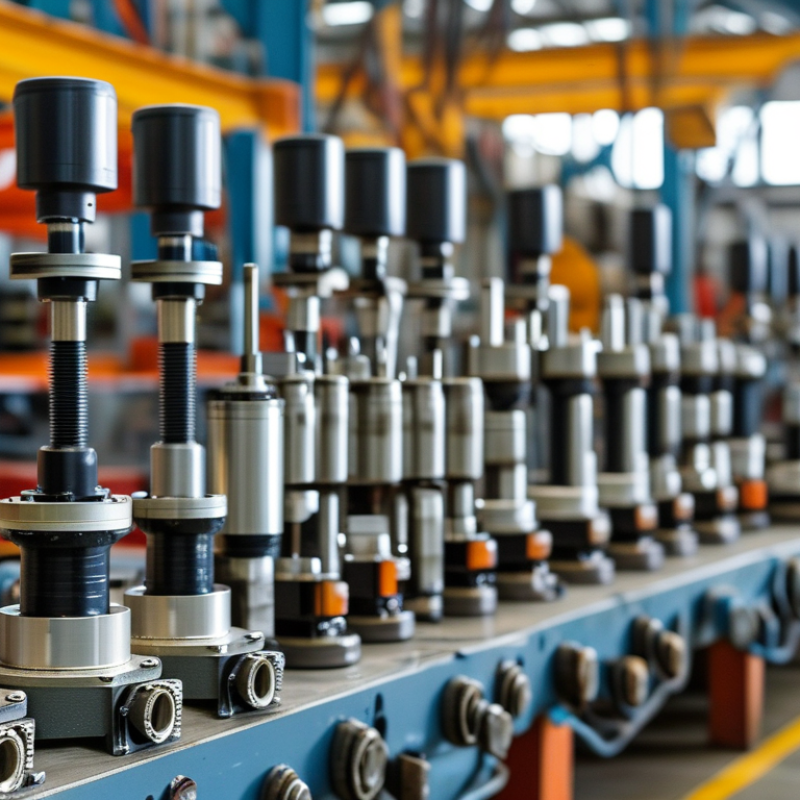
Hydraulic actuators are vital in various industries, delivering precise motion control. According to a recent industry report, the global hydraulic actuator market is projected to reach $16 billion by 2025. This growth reflects the increasing demand for automation and efficiency across sectors.
For global buyers, selecting the right hydraulic actuator solution is crucial. Factors like load capacity, pressure ratings, and environmental conditions significantly impact performance. A report by MarketsandMarkets indicates that manufacturers should evaluate metrics like response time and power-to-weight ratios. These elements are essential for ensuring that the actuator meets application requirements.
However, not all solutions are perfect. Some actuators may experience issues with leakage or maintenance challenges. Buyers must assess reliability and support from manufacturers. Industry feedback shows that a significant number of users encounter performance inconsistencies. This highlights the importance of thorough testing and regular maintenance. By carefully considering all aspects, buyers can make informed decisions, ultimately improving operational efficiency.
Hydraulic actuators play a significant role in numerous industries, from manufacturing to automotive. These devices convert hydraulic energy into mechanical motion, offering powerful solutions for various applications. Hydraulic cylinders and hydraulic motors are two common types that cater to different industrial needs. The choice between them often hinges on the specific forces and speeds required.
In manufacturing, hydraulic actuators are used for machinery automation. They ensure precise movements, increasing efficiency. In automotive applications, these actuators engage brake systems and power steering, enhancing safety and control. However, selecting appropriate actuators can be complex. Users must consider requirements like load capacity and operating conditions.
Despite their advantages, hydraulic actuators can present challenges. For instance, leaks in hydraulic systems can lead to performance issues and safety hazards. Regular maintenance is crucial, yet often overlooked. Users should prioritize evaluating their systems regularly to mitigate potential failures. Addressing these imperfections ensures that industries can fully leverage the benefits of hydraulic technology.
When selecting hydraulic actuators, buyers must consider performance and reliability metrics carefully. According to a recent industry report, nearly 30% of actuator failures stem from inadequate performance specifications. Buyers should evaluate stroke length, force output, and response time to ensure optimal functionality. Actuators must match the power requirements of the application they are intended for. Often, users overlook the importance of understanding the load conditions, which can lead to inefficiency or even system failure.
Reliability is another critical factor. Research indicates that actuators with a mean time between failures (MTBF) of 5,000 hours or more often yield better long-term results. Regular maintenance and monitoring can enhance reliability further. However, some buyers might underestimate required service intervals, ultimately affecting their operations. Assessing the actuator’s environmental tolerance is also vital. Conditions such as extreme temperatures and exposure to contaminants can significantly impact performance.
The acceptance of hydraulic systems in various industries hinges on these metrics. A study by a global engineering firm reported that projects employing reliable hydraulic actuators reduced downtime by up to 20%. It illustrates the importance of robust performance and reliability standards. Buyers should leverage this data, yet many do not fully utilize available resources. Understanding performance metrics and reliability can guide informed purchases in this critical sector.
The hydraulic actuator industry is experiencing significant growth, driven by advancements in technology and increasing automation demands. By 2025, the market is expected to expand further, fueled by rising applications in various sectors such as manufacturing, automotive, and aerospace. This trend reflects a global shift towards more efficient machinery, emphasizing convenience and precision.
As buyers navigate this evolving market, it's crucial to consider the specific needs of their applications. Selecting the right hydraulic actuator can enhance performance and durability. Evaluate factors such as force requirements, speed, and environmental conditions. Custom solutions might not always be necessary, but often they lead to better efficiency.
Tips: Always assess your long-term needs. A high initial investment can save costs down the line through increased system longevity. Regular maintenance checks can ensure optimal functionality. Understanding market dynamics is beneficial. Keep an eye on emerging technologies that might revolutionize actuator design. Adapting to these changes can provide a competitive advantage in your operations.
The hydraulic actuator market is marked by significant innovation and competition among leading manufacturers. Data from recent industry reports highlights that the global hydraulic actuator market is projected to grow at a CAGR of around 5.5% from 2021 to 2026, reaching approximately $18 billion by 2026. This growth is primarily driven by increased automation in manufacturing and rising demand in sectors such as aerospace and construction.
Market leaders are focusing on developing advanced technologies. Innovations include smart actuator systems that enhance efficiency and reliability. These systems often integrate with IoT technology, allowing for real-time monitoring and predictive maintenance. Yet, challenges persist. Many manufacturers face issues with supply chain disruptions and fluctuations in raw material costs, which can affect production timelines and pricing strategies. This highlights the importance of adaptability in operations and a keen eye on emerging trends.
Comparative analyses indicate variations in performance and technology adoption among manufacturers. While some excel in energy-efficient designs, others focus on enhancing durability. Buyers must assess these factors critically. Superior technology does not always guarantee better performance in every application. Users need to align their specific requirements with the capabilities of available solutions. This alignment often requires detailed research and dialogue with manufacturers to ensure optimal choices.
| Manufacturer | Type of Actuator | Max Force (kN) | Stroke Length (mm) | Operating Pressure (bar) | Control Method | Innovations |
|---|---|---|---|---|---|---|
| Manufacturer A | Linear | 50 | 200 | 150 | Electric | Smart Control Integration |
| Manufacturer B | Rotary | 30 | 100 | 200 | Pneumatic | Energy Efficiency |
| Manufacturer C | Double Acting | 70 | 300 | 180 | Hydraulic | Modular Design |
| Manufacturer D | Electro-hydraulic | 40 | 150 | 160 | Computerized | IoT Connectivity |
| Manufacturer E | Telescopic | 60 | 250 | 190 | Manual | High Durability Materials |
: Hydraulic actuators deliver precise motion control in various industries. They are essential for automation and efficiency.
Buyers must evaluate load capacity, pressure ratings, and environmental conditions that affect performance.
Reliable actuators have fewer failures. Buyers often underestimate service intervals, affecting operational efficiency.
Inadequate performance specifications lead to failures. Factors like stroke length and response time are crucial.
Issues like leakage and maintenance challenges are common. Performance inconsistencies can also occur without thorough testing.
Regular checks enhance reliability and performance. Many users neglect this, leading to inefficiencies.
Custom solutions can lead to better efficiency, but they aren't always necessary. Evaluate your specific needs first.
Significant growth is expected due to technological advancements and rising automation demands across various sectors.
Extreme temperatures and contaminants can impair performance. Assessing environmental factors is vital.
High initial investments may save costs in the future. Understanding market dynamics helps buyers make informed decisions.
The article "Best Hydraulic Actuator Solutions for Global Buyers" provides a comprehensive overview of hydraulic actuators, detailing their types and applications across various industries. It emphasizes the importance of understanding the performance and reliability metrics when selecting hydraulic actuators, as these factors significantly impact operational efficiency.
Furthermore, the article explores market trends and growth projections for the hydraulic actuator industry up to 2025, highlighting the increasing demand and technological advancements in this field. A comparative analysis of leading manufacturers sheds light on innovations driving the industry forward, ensuring global buyers can make informed decisions when procuring hydraulic actuator solutions.
