
Micro Precision Micro Precision

Best CNC Tool Holders for Precision Machining Needs?

Time:2026-07-09 Author:Aria
0%

When it comes to precision machining, choosing the right CNC tool holders is crucial. These components play a significant role in the accuracy and efficiency of the machining process. High-quality CNC tool holders ensure that tools are securely fastened, reducing the likelihood of vibration or misalignment during operation. This reliability directly impacts the final product's precision.

Different types of CNC tool holders are available, each designed for specific machining tasks. Some are ideal for high-speed operations, while others are suited for heavy-duty machining. Understanding the key features of these holders can significantly enhance machining performance.

However, selecting the best CNC tool holders isn’t straightforward. Factors such as material, design, and compatibility with machine tools must be considered. It can be tempting to prioritize cost over quality, but this decision can lead to poor results. Investing in the right CNC tool holders is an essential step toward achieving precision and longevity in machining operations.
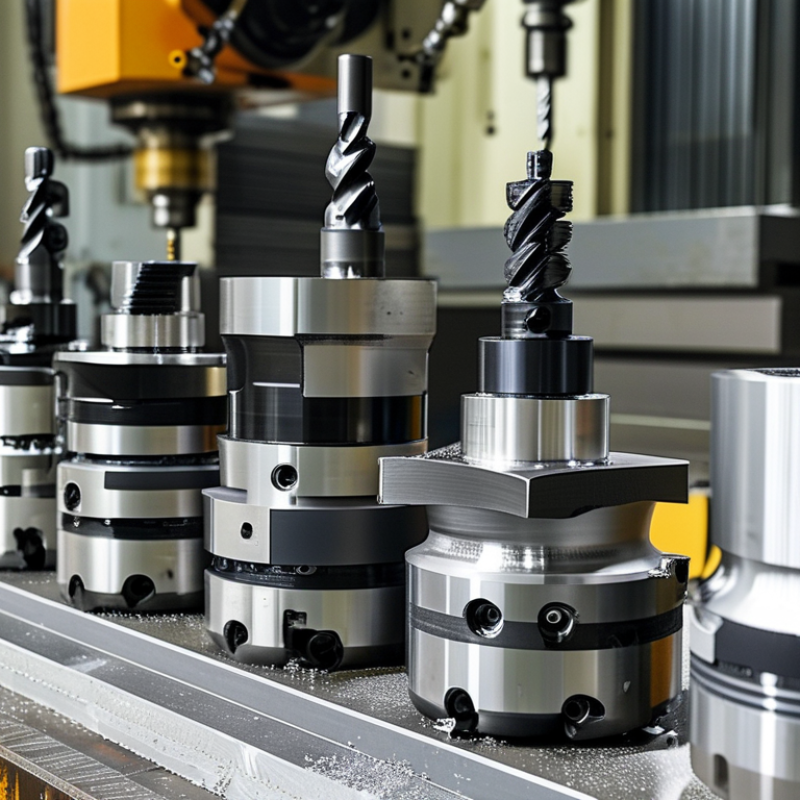
Best CNC Tool Holders for Precision Machining Needs?

Types of CNC Tool Holders for Precision Machining Applications

When it comes to CNC machining, selecting the right tool holder is crucial for precision. There are several types of CNC tool holders, each designed for specific applications. Collet chucks are popular for their versatility. They can hold various tool diameters and offer good clamping force. However, they might not always provide the best concentricity, which is essential for precision tasks.

Another option is the end mill holder, known for its rigid design. These holders maintain tight tolerances, ensuring minimal runout. They excel in demanding machining environments but may take longer to change tools. Quick change tool holders are designed for efficiency. They allow for fast swaps, which can save time in production. Despite their convenience, they can sometimes lack the stability that other types offer.

Choosing the right holder requires understanding your specific needs. Factors like material, tool geometry, and machining conditions play a significant role. Be aware that some holders might not suit all tasks, leading to potential errors. Reflecting on these aspects can help make a more informed choice. The goal is to strike a balance between convenience and precision, ensuring quality outcomes in every project.

Key Features to Consider in CNC Tool Holders

When selecting CNC tool holders, understanding the key features is essential. Precision is non-negotiable. Tool holders must maintain tight tolerances to ensure accurate machining. Look for those that provide excellent grip on cutting tools. A secure fit reduces vibrations, enhancing the quality of the finished product.

Material choice significantly affects performance. Tool holders made from durable materials often resist wear over time. Steel and carbide composites are popular options. However, the weight of these materials may impact handling. Balance between durability and ease of use is crucial. Also, consider the compatibility with different CNC machines. Not all tool holders fit every machine type.

Another vital feature is the ease of changeover. Quick-release mechanisms save time during tool swaps. Yet, some users may find them less secure than traditional methods. Evaluating the trade-offs between speed and stability can be challenging. Regular maintenance is also necessary to prolong the lifespan of tool holders. Over time, wear can lead to inaccuracies. Testing holders regularly can reveal subtle shifts in performance that might not be immediately apparent.

Material Choices for CNC Tool Holders and Their Impact on Performance

CNC tool holders play a crucial role in precision machining. The choice of material directly influences performance. Common materials include steel, aluminum, and specialized alloys. Each has unique properties that affect rigidity, weight, and heat resistance.

Steel tool holders are robust and durable. They provide excellent rigidity, which is essential during high-speed machining. However, they can be heavier, leading to potential inertia issues. Aluminum, on the other hand, is lighter and offers good thermal conductivity. This helps dissipate heat during cutting operations. According to a study by the Precision Machining Research Institute, tools made from aluminum lead to a 15% reduction in thermal deformation.

Using advanced alloys can enhance tool performance. These materials often combine the best traits of steel and aluminum. They can withstand higher temperatures without losing rigidity. However, they may be costlier and require specialized manufacturing processes. This trade-off must be considered based on project budgets and machining requirements.

Understanding these material choices is vital for achieving optimal results in machining. Many operators still rely on traditional materials. This can lead to suboptimal performance and increased production costs. A well-informed decision on tool holder materials can greatly impact machining efficiency and quality.

Top Brands of CNC Tool Holders for High Precision Needs

When selecting CNC tool holders for precision machining, industry experts emphasize the quality and reliability of the product. A report by Grand View Research noted that the global CNC tool holder market is expected to reach $5 billion by 2027, driven largely by advancements in manufacturing technologies. This growth highlights the importance of investing in high-quality tool holders that ensure precision and repeatability.

Top brands often focus on materials and design to enhance performance. For instance, holders made from high-grade steel or titanium can drastically reduce tool wear. A study from MarketsandMarkets revealed that the use of advanced tool holder systems can improve machining accuracy by up to 30%. However, not all tool holders provide the same level of precision, leading to challenges in selecting the right product.

Compatibility with different machines remains a persistent issue. Moreover, the learning curve for using advanced CNC tool holders can be steep. Operators may struggle with setup and optimization. Regular training and adjustment are essential for maximizing the benefits of high-precision tool holders. Feedback from machinists often reveals that while they appreciate the advancements, they face difficulties in adapting to rapidly changing technologies.

Maintenance Tips for Extending the Life of CNC Tool Holders

Proper maintenance of CNC tool holders is crucial for extending their life and ensuring precise machining. Regular cleaning is essential. Dust and grime can accumulate, affecting the tool's performance. A study by the National Institute of Standards and Technology found that routine cleaning can improve tool holder accuracy by up to 30%.

Using appropriate lubricants is another key factor. Many experts recommend specific oils to reduce wear. Applying lubricant aids in minimizing friction, which is vital. However, excess lubricant can also attract more debris, creating further issues. Finding the right balance is essential.

Routine inspections are equally important. Checking for wear and tear can prevent serious problems down the line. An alarming statistic shows that 60% of CNC tool holder failures stem from neglect. Operators should routinely examine each tool holder for signs of damage. Taking proactive measures such as these can significantly improve tool performance and longevity.

Tool Holder Maintenance Impact on Performance

FAQS

: What is the most important feature to consider in CNC tool holders?

: Precision is essential. Tool holders must maintain tight tolerances for accurate machining.

How does material choice affect CNC tool holder performance?

Different materials influence rigidity, weight, and heat resistance, impacting overall machining efficiency.

What common materials are used for CNC tool holders?

Steel, aluminum, and specialized alloys are popular. Each has its unique properties and benefits.

What is a disadvantage of using steel tool holders?

Steel holders can be heavier, potentially causing inertia issues during high-speed machining.

Why is quick-change functionality important in tool holders?

Quick-release mechanisms save time during tool swaps, but they may sacrifice security.

How often should CNC tool holders be tested for accuracy?

Regular testing is needed to identify subtle performance shifts and ensure precision remains intact.

Can advanced alloys be worth the investment for CNC tool holders?

Yes, advanced alloys combine the best traits of materials but may come at a higher cost.

What challenges do operators face with advanced CNC tool holders?

Operators often struggle with setup and may require regular training to adapt to new technologies.

Why might traditional materials lead to increased production costs?

Relying on older materials can result in suboptimal performance, affecting efficiency and quality.

Is there a trade-off between tool holder speed and stability?

Yes, evaluating the balance between quick changeover and secure fit can be challenging and requires reflection.

Conclusion

CNC tool holders are essential components in precision machining, and selecting the right type can greatly impact operational efficiency and accuracy. Various types of CNC tool holders are available, each tailored for specific machining applications, highlighting the importance of understanding their key features. When choosing CNC tool holders, factors such as gripping strength, precision, and compatibility with different tools are crucial for optimal performance.

Material selection also plays a significant role, as different materials can enhance durability and performance under varying conditions. To ensure longevity and consistent performance, proper maintenance practices should be followed, including regular cleaning and inspection. By considering these aspects, machinists can make informed decisions that meet their precision needs while maximizing the lifespan of their CNC tool holders.

Aria

Aria

Aria is a dedicated marketing professional with a deep passion for innovative strategies and a keen understanding of our company's product offerings. With a wealth of experience in the industry, Aria excels at crafting engaging content that highlights the unique features and benefits of our......