
Micro Precision
The hydraulic oil cylinder industry plays a crucial role in manufacturing and construction sectors. According to a recent report by Smith & Associates, the global market for hydraulic oil cylinders is projected to reach $12 billion by 2026. This growth is largely driven by the increasing demand for efficient and reliable equipment in various applications.
Industry expert Dr. Emily Chen has noted, "The selection of the right hydraulic oil cylinder can greatly enhance operational efficiency." This underscores the importance of choosing the appropriate product for specific needs. With advancements in technology, the performance and durability of hydraulic oil cylinders have improved significantly, yet buyers must remain vigilant about quality discrepancies.
Consumers often face challenges when sourcing hydraulic oil cylinders. Variability in specifications and manufacturing standards can lead to unexpected failures. It’s essential to reflect on these issues and invest time in understanding the product features thoroughly. Selecting the right hydraulic oil cylinder is not just about price; it’s about ensuring reliability and safety in operations.
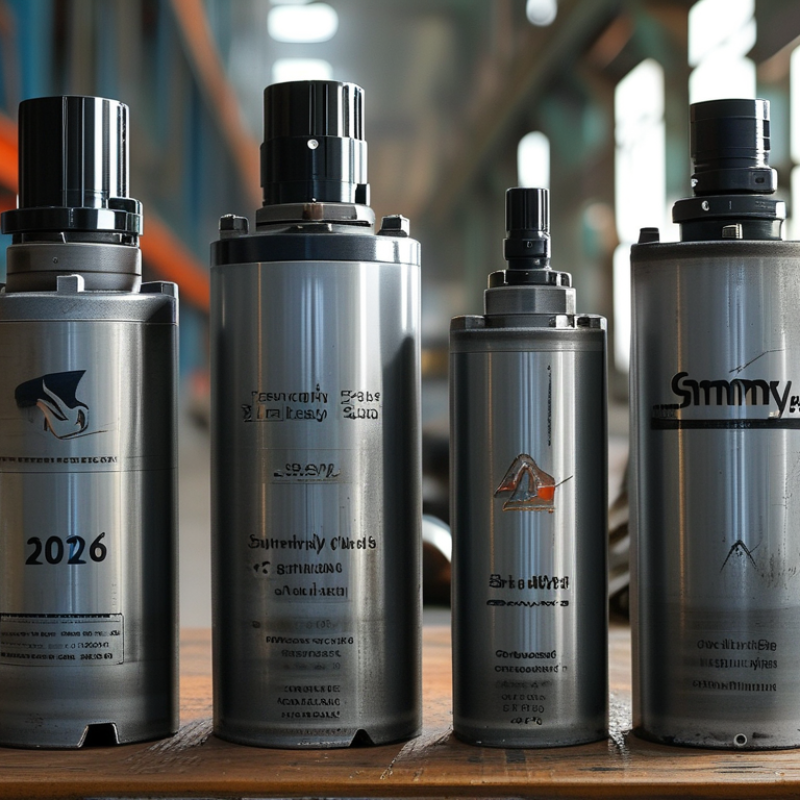
Hydraulic oil cylinders are essential for various industrial applications. They convert hydraulic energy into mechanical energy, enabling efficient movement and force generation. Understanding their key components enhances our ability to choose the right cylinder for specific tasks.
Each hydraulic oil cylinder typically includes a piston, rod, and cylinder barrel. The piston moves within the barrel, driven by pressurized hydraulic fluid. The rod extends and retracts, transferring the generated force to perform work. Regular maintenance of these components is critical for optimal performance. Any wear or damage can lead to inefficiencies or failures.
Selecting the right cylinder can be challenging. Factors such as load capacity, diameter, and stroke length must be considered. The material of the cylinder also affects durability. Users often overlook these details, leading to suboptimal choices. It’s vital to analyze specific requirements before sourcing a hydraulic cylinder.
When choosing hydraulic oil cylinders, several critical factors come into play. First, assess the applications within which these cylinders will operate. Different industries have distinct requirements. For example, construction applications often demand high durability, while manufacturing may prioritize precision. According to a recent market report by Technavio, the hydraulic cylinder market is expected to grow by $5.2 billion through 2025, emphasizing the increasing importance of selecting the right components.
Another vital element is the operating environment. Temperature fluctuations and exposure to corrosive materials can significantly impact performance. Selecting cylinders that can withstand such conditions is crucial. A study published by Research and Markets shows that over 30% of hydraulic equipment failures stem from inadequate material selection. Therefore, always evaluate the environmental conditions carefully.
Moreover, maintenance facilities and spare parts availability should not be overlooked. Some regions may lack a reliable supply chain for specific cylinders. This aspect can lead to extended downtime during repairs. Proper planning for sourcing and maintenance ensures operational efficiency. Making informed decisions based on these considerations can enhance the reliability and performance of hydraulic systems in various environments.
When sourcing hydraulic oil cylinders globally, it is crucial to consider several factors. The market for hydraulic components is expected to reach $45 billion by 2026, driven by increasing demand in various industries, such as construction and manufacturing. Companies must assess suppliers based on their manufacturing capabilities, delivery timelines, and compliance with industry standards. Often, sourcing from diverse regions can mitigate risks associated with supply chain disruptions.
Focusing on quality control is essential. High-quality cylinders can reduce operational failures, which statistics indicate can lead to costly downtime. Reports suggest that organizations can save up to 25% in maintenance costs by investing in reliable components. Engaging in transparent communication with suppliers enhances trust and facilitates better sourcing strategies.
However, challenges persist. Language barriers and cultural differences can complicate negotiations. Companies must also consider fluctuating trade tariffs and regulations that may impact sourcing decisions. Maintaining a balance between cost and quality remains a constant challenge for procurement specialists. Building strong relationships with suppliers can often help navigate these complexities.
When considering the hydraulic cylinder market, key manufacturers have established strong reputations due to their innovative designs and reliability. According to recent industry reports, the global hydraulic cylinder market is projected to grow significantly, reaching approximately $13.92 billion by 2026. This growth reflects the rising demand across various sectors, including construction and manufacturing. Key players are consistently enhancing their product lines to meet industry needs, ensuring they remain competitive.
Choosing a hydraulic cylinder requires careful attention. It's essential to understand the specific application you need it for. Examine the cylinder's specifications such as bore size, stroke length, and pressure ratings. These factors can dramatically impact performance. Seek guidance from industry reports and consult knowledgeable professionals before making decisions.
Tip: Always check for certifications and standards compliance. This can assure you of the product's quality and safety. Also, consider local suppliers who may offer customized solutions. Their expertise can lead to better long-term performance and maintenance support. Ultimately, investing time in research will yield better results. While many manufacturers claim to offer the best, personal experiences can vary. Look for reviews and testimonials from actual users to ensure reliability.
Hydraulic cylinders are critical components in various machinery and equipment. Proper maintenance greatly extends their lifespan. Regular inspections are essential. Check for leaks regularly; a small drip can lead to bigger problems. Always examine seals and fittings. Worn components often cause performance issues that can escalate.
Cleaning is equally important. Dirt and debris can accumulate, impacting functionality. Use a clean cloth to wipe surfaces before and after use. Stay vigilant about the hydraulic oil's quality; degraded oil can cause significant damage. Consider replacing oil at scheduled intervals. Contaminated fluid can lead to cylinder wear and tear.
Listen for unusual sounds during operation. A grinding noise may signal internal damage. Movement should be smooth. Any hesitation could indicate underlying issues. Create a habit of documenting maintenance activities. This will help identify patterns, making it easier to anticipate future problems. Remember, neglecting these tasks leads to costly repairs later on.
: A hydraulic oil cylinder typically includes a piston, rod, and cylinder barrel.
It converts hydraulic energy into mechanical energy, enabling movement and force generation.
Maintenance extends their lifespan and prevents inefficiencies or failures from wear and damage.
Look for leaks, worn seals, and fittings to avoid escalating performance issues.
Wipe surfaces with a clean cloth before and after use to prevent dirt accumulation.
Replace oil at scheduled intervals to prevent contamination and significant damage.
Grinding noises or hesitation in movement may indicate internal damage or problems.
Documentation helps identify patterns to anticipate future problems more effectively.
Neglect can lead to costly repairs and decreased cylinder performance over time.
Consider load capacity, diameter, stroke length, and material for optimal performance.
The article "2026 Best Hydraulic Oil Cylinder Buying Guide for Global Sourcing" serves as a comprehensive resource for anyone looking to purchase hydraulic oil cylinders. It begins with a thorough understanding of hydraulic oil cylinders, detailing their key components and functions, which are vital for efficient operation in various applications. Factors such as size, pressure ratings, and compatibility are crucial when selecting the right hydraulic oil cylinder for specific needs.
Additionally, the article explores global sourcing strategies, highlighting how to effectively navigate the international market for hydraulic oil cylinders. It also provides insights into the top manufacturers and brands within the hydraulic cylinder industry, ensuring potential buyers have the information necessary to make informed decisions. Lastly, the guide offers maintenance tips to help users prolong the lifespan of their hydraulic oil cylinders, emphasizing the importance of proper care in ensuring reliable performance over time.
